


Alopecia Areata Treatment in Dubai for Patchy Hair Loss
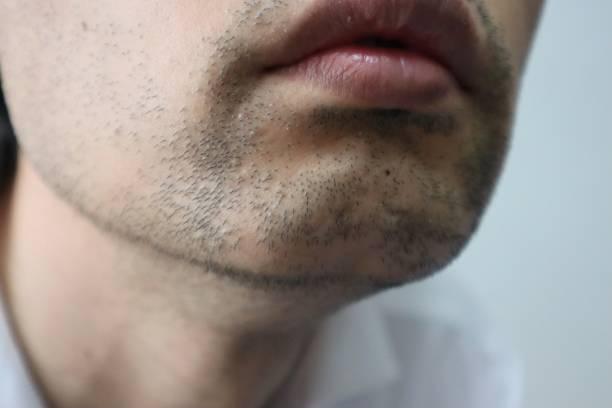
Sudden circular or irregular bald patches can be a sign of an immune-mediated hair disorder rather than ordinary pattern hair loss. Alopecia Areata Treatment in Dubai focuses on identifying the pattern and activity of the condition, then selecting an appropriate medical strategy to encourage regrowth and control ongoing follicular inflammation. Depending on severity, dermatologists may use localized medication, PRP, mesotherapy, laser-based support, or systemic therapies when clinically appropriate.
Alopecia areata develops when the immune system targets structures surrounding the hair follicle. The follicle is not necessarily permanently destroyed, which is why regrowth can occur after the inflammatory process becomes controlled.
The important distinction is that alopecia areata is not simply a problem of weak hair. Treating the scalp as though it were ordinary thinning can miss the underlying inflammatory and immune component.
How Alopecia Areata Changes the Hair Growth Cycle
Alopecia Areata Treatment in Dubai Starts With Pattern Recognition
A dermatologist first looks at the distribution, duration, and activity of the hair loss. Small, smooth patches on the scalp are typical, but alopecia areata can also affect eyebrows, eyelashes, beard areas, and other hair-bearing regions. Nail changes may occur in some patients as well.
The clinical assessment may include magnified examination of the scalp and hair follicles. If the presentation is unclear, laboratory testing or a scalp biopsy may be considered to exclude other causes of hair loss.
Why Follicle Anatomy Matters
A healthy-looking follicular opening does not automatically mean that treatment is unnecessary. The objective is to determine whether follicles remain capable of producing hair and whether active inflammation is contributing to continued shedding.
This distinction also affects treatment planning. A patient with several localized patches may require a very different approach from someone experiencing extensive scalp involvement or loss of eyebrow and eyelash hair.
Recognizing Active Disease
Some patients notice a patch appearing almost overnight, while others experience expansion of existing areas. Itching, tingling, or altered sensation can occur around active patches, although symptoms vary.
A rapidly enlarging area deserves medical assessment rather than relying solely on cosmetic camouflage or over-the-counter hair products. The earlier the pattern is correctly identified, the more precisely a treatment plan can be constructed.
Alopecia Areata Treatment in Dubai Compared by Clinical Role
Different modalities have different purposes. No single procedure works for every patient, and established dermatology guidance emphasizes treatment selection according to the extent, duration, location, age, and severity of alopecia areata.
| Treatment approach | Clinical role | How it is delivered | Where it may fit |
|---|---|---|---|
| Intralesional corticosteroids | Suppresses localized follicular inflammation | Fine injections directly into affected patches | Limited patchy disease in appropriate patients |
| Topical corticosteroids | Local anti-inflammatory treatment | Applied directly to affected skin | Selected localized cases |
| PRP | Procedural support for hair regrowth | Patient's platelet-rich plasma is injected into the scalp | Selected patients as an adjunctive approach |
| Mesotherapy | Local microinjection approach | Small-volume injections into the scalp | Customized supportive protocols |
| Low-level laser/light therapy | Photobiomodulation-based support | Controlled light exposure to the scalp | Selected patients where appropriate |
| JAK inhibitors | Systemic immune-targeted therapy | Prescription oral medication | Moderate-to-severe or extensive disease under medical supervision |
Intralesional corticosteroid injections are an established option for adults with limited patchy alopecia areata. The medication is placed into the affected areas rather than distributed broadly across unaffected scalp, allowing treatment to be concentrated where inflammatory activity is present.
PRP and laser/light-based procedures are also discussed in contemporary alopecia areata literature, but their role differs from established anti-inflammatory or systemic treatments. They should therefore be presented as individualized procedural options rather than universal cures.
Building a Personalized Alopecia Areata Treatment in Dubai Plan
A useful treatment plan is based on the biology of the hair loss rather than simply the visible size of a bald patch. At a specialist clinic, the assessment can consider disease activity, previous episodes, family history, other autoimmune conditions, medication history, and whether eyebrows, eyelashes, beard hair, or nails are involved.
At Tajmeels, the published treatment approach includes PRP, mesotherapy, and laser therapy, with the number of sessions customized according to the patient's presentation. The clinic describes typical treatment sessions as minimally invasive and lasting approximately 25–45 minutes.
For patients researching hair restoration and aesthetic care in Dubai, the most important consideration is not simply which procedure is available. It is whether the procedure matches the type and activity of alopecia areata being treated.
How PRP Is Applied to the Scalp
PRP begins with a small blood sample from the patient. After processing, the platelet-rich fraction is prepared for injection into selected areas of hair loss.
The injection pattern matters. A clinician can distribute small amounts across the affected region rather than concentrating the product at a single point, allowing the treatment to cover the clinically relevant scalp area.
The purpose is to provide a biologically active preparation around the affected follicular environment. Current evidence supports PRP as a possible procedural option for hair loss, but outcomes in alopecia areata remain less predictable than established disease-directed therapies.
Mesotherapy and Local Microinjections
Mesotherapy uses multiple small injections to introduce a customized preparation into the skin. The exact composition and suitability should be determined by the treating clinician rather than assuming that every mesotherapy formula has the same clinical evidence.
From an anatomical perspective, injection depth, spacing, volume, and the location of affected follicles all influence how a scalp procedure is performed. Avoiding excessive trauma is particularly important when the scalp is already inflamed or sensitive.
Laser-Based Support
Low-level laser or light-based therapy uses controlled light exposure rather than conventional thermal ablation. Its proposed role is to influence cellular activity and support the follicular environment.
Evidence for laser therapy in alopecia areata is still developing, so it is better viewed as a selected supportive modality rather than a guaranteed replacement for medical treatment.
Dubai-Specific Factors That Can Affect Scalp Care
Dubai's environment creates practical considerations for anyone managing an active scalp condition. Outdoor temperatures can be extremely high, while prolonged exposure to air conditioning can produce a very different indoor environment with moisture-stripping air.
Sun and Heat Exposure
A newly treated scalp should be protected from excessive direct sun according to the clinician's instructions. This becomes especially relevant when daily routines involve commuting, outdoor activities, beach visits, or extended exposure to Dubai's intense sunlight.
Patients should not assume that a cosmetic procedure makes the scalp resistant to environmental stress. Post-treatment instructions should take priority over lifestyle routines.
Air Conditioning and Scalp Comfort
Moving repeatedly between hot outdoor conditions and strongly air-conditioned interiors can make scalp comfort more difficult for some people. Dryness, irritation, and sensitivity may become more noticeable when the skin barrier is already compromised.
Simple measures such as following prescribed topical care and maintaining adequate hydration can help support routine scalp management.
Demanding Professional and Social Schedules
Dubai's professional, travel, and social lifestyle can make visible hair loss particularly noticeable. A treatment strategy should therefore account not only for biological response but also for appointment frequency, recovery requirements, and the patient's ability to maintain follow-up.
The objective should remain medically appropriate hair regrowth rather than rushing the process to fit a particular event or schedule.
What to Expect During Alopecia Areata Treatment
Treatment experience varies considerably because alopecia areata itself varies. Some patients have one or two stable patches, while others develop broader areas of hair loss requiring a more comprehensive medical strategy.
For localized procedural treatments, the appointment may involve scalp preparation, mapping of affected areas, targeted injections or device-based treatment, and post-treatment instructions. Tajmeels describes PRP, mesotherapy, and laser therapy as part of its available approach, with treatment sessions and follow-up tailored to the individual's condition.
Before the Session
Patients should disclose current medications, allergies, previous reactions, and any relevant medical conditions. The clinician may also advise avoiding certain medications or activities before treatment depending on the selected procedure.
Hair coloring, aggressive scalp treatments, heavy styling products, and unnecessary irritation may need to be avoided around the treatment period.
Immediately After Treatment
Mild redness, tenderness, swelling, or temporary itching can occur after scalp procedures. The clinic's published guidance recommends avoiding washing the treated area for a specified period, limiting strenuous exercise temporarily, protecting the area from direct sun, and following prescribed topical or medication instructions.
Patients should avoid scratching or repeatedly touching treated areas. If unusual swelling, severe pain, spreading redness, or another unexpected reaction develops, medical advice should be sought promptly.
Measuring Hair Regrowth Instead of Guessing
Alopecia areata does not respond according to a fixed timetable. Some patients experience spontaneous regrowth, while others require active treatment and longer-term monitoring.
Visible changes should therefore be evaluated over time rather than judged from one photograph or one treatment session.
A useful monitoring process can include:
- Standardized scalp photographs taken under consistent lighting.
- Tracking the number and size of active patches.
- Monitoring new hair growth within previously bald areas.
- Recording eyebrow, eyelash, beard, or other body-hair involvement.
- Documenting new patches between appointments.
- Reviewing treatment tolerance and any side effects.
This approach makes it easier for the dermatologist to determine whether the current strategy should continue, be modified, or be replaced.
When Local Treatment Is Not Enough
Extensive alopecia areata requires a different level of clinical planning. Modern management can include systemic therapies, particularly JAK inhibitors for appropriate patients with severe disease. Several JAK inhibitors now have regulatory approvals for specific age groups and severity levels, but these medicines require medical assessment and monitoring.
A patient with extensive hair loss should therefore not assume that repeated scalp procedures alone are sufficient. The treatment plan may need to address the immune component of the condition directly.
Alopecia Areata Treatment in Dubai for Extensive Hair Loss
When hair loss involves a large percentage of the scalp, eyebrows, eyelashes, or multiple body sites, the dermatologist may consider systemic treatment rather than relying exclusively on localized procedures.
Severity assessment, medical history, age, contraindications, laboratory monitoring, and previous treatment response all influence the decision. Current clinical guidance recognizes JAK inhibitors as an important systemic treatment category for severe alopecia areata.
This is also why a hair transplant should not automatically be considered the first answer for autoimmune patchy hair loss. The underlying disease activity needs to be assessed before selecting a permanent surgical approach.
Practical Maintenance After Alopecia Areata Treatment
Alopecia areata can recur even after successful regrowth. Hair returning in one patch does not guarantee that another area will not become affected later, which makes follow-up an important part of long-term management.
A practical maintenance strategy may involve:
- Attending scheduled dermatology reviews.
- Photographing the scalp periodically to identify subtle changes.
- Reporting new patches promptly.
- Following prescribed topical or systemic medication instructions.
- Protecting recently treated skin from unnecessary irritation and excessive sun exposure.
- Avoiding aggressive cosmetic procedures on an inflamed scalp without medical approval.
The objective is not simply to create temporary visual density. It is to monitor disease activity while supporting sustainable regrowth.
The Strategic Investment in Alopecia Areata Treatment
Hair loss caused by alopecia areata requires a different mindset from routine cosmetic hair thinning. The most valuable first step is identifying the disease pattern, determining its severity, and matching the intervention to the biological activity of the condition.
Modern Alopecia Areata Treatment in Dubai can include localized injections, topical medication, PRP, mesotherapy, laser/light-based procedures, or systemic therapies when medically indicated. The appropriate combination depends on the individual rather than a universal treatment formula.
For patients seeking a medically guided approach to patchy hair loss, Tajmeels Clinic provides dermatologist-led alopecia areata care in Dubai, including customized PRP, mesotherapy, and laser-based treatment options.

 English
 Arabic
 French
 Spanish
 Portuguese
 Deutsch
 Dutch
Dutch
 Italiano
 Russian
 Romaian
 Portuguese (Brazil)
 Greek
Greek