


Lab Grown Diamond Engagement Rings: Modern Beauty and Exceptional Value
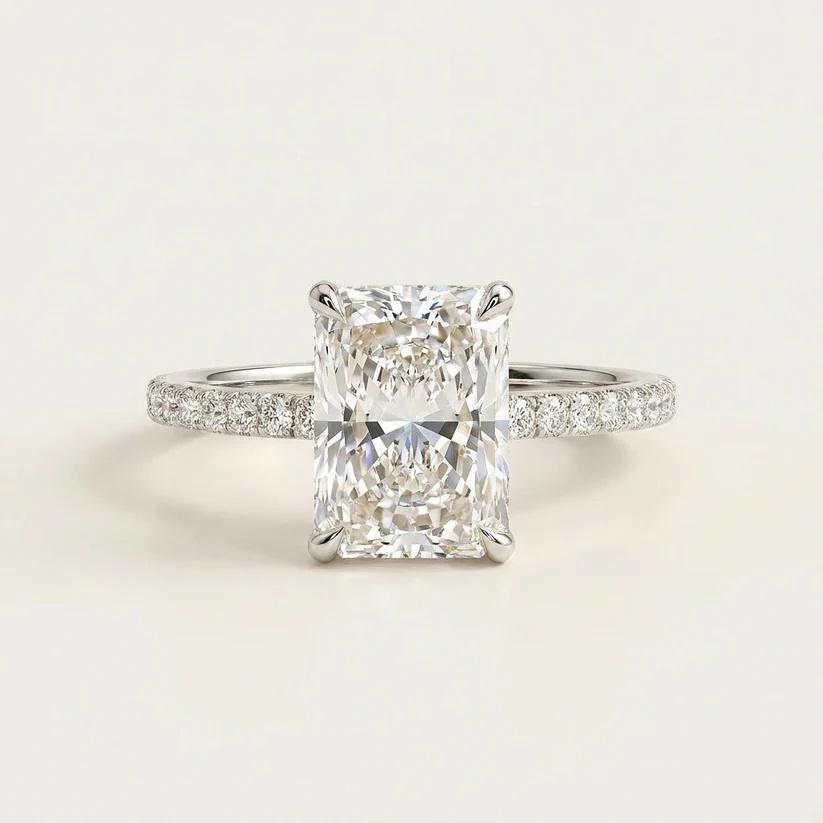
Lab Grown Diamond Engagement Rings have become an increasingly popular option for couples looking for the beauty and durability of a diamond while exploring a modern alternative to traditionally mined stones. These diamonds offer the same fundamental characteristics as natural diamonds, including a carbon crystal structure, while being created in controlled laboratory environments.
With their brilliant appearance and wide range of design possibilities, lab grown diamonds can be incorporated into classic, contemporary, and personalized engagement ring styles. From timeless solitaires to detailed halo settings, they provide plenty of opportunities to create a ring that reflects individual taste.
What Are Lab Grown Diamonds?
Lab grown diamonds are diamonds created using advanced technological processes that replicate the conditions under which diamonds naturally form. The two primary methods used are Chemical Vapor Deposition (CVD) and High Pressure High Temperature (HPHT).
Unlike diamond simulants, lab grown diamonds are genuine diamonds with essentially the same chemical composition, crystal structure, and physical properties as natural diamonds. They can also be evaluated using the familiar Four Cs: Cut, Color, Clarity, and Carat Weight.
Why Choose Lab Grown Diamond Engagement Rings?
Beautiful Diamond Brilliance
A well-cut lab grown diamond can display impressive brilliance and fire. Its appearance depends largely on its cut quality and the interaction of light with its facets.
Wide Range of Options
Lab grown diamonds are available in numerous shapes, sizes, colors, and clarity grades. This variety makes it easier to explore different designs and find a stone that matches your preferences.
Budget-Friendly Choice
Lab grown diamonds are often priced lower than comparable natural diamonds. This can give couples greater flexibility when choosing carat weight, clarity, or a more elaborate ring setting.
Modern Approach to Fine Jewelry
For couples interested in newer approaches to diamond sourcing and production, lab grown diamonds provide an alternative to traditionally mined diamonds.
Popular Styles of Lab Grown Diamond Engagement Rings
Solitaire Engagement Rings
A solitaire setting keeps the center diamond as the main focal point. Its simple design creates a classic and sophisticated appearance.
Halo Engagement Rings
A halo of smaller diamonds surrounds the center stone, adding extra sparkle and creating a more decorative look.
Three-Stone Engagement Rings
Three-stone designs combine a center diamond with two side stones. The style is often associated with the past, present, and future of a relationship.
Hidden Halo Rings
A hidden halo places accent diamonds beneath the center stone. It adds subtle brilliance without changing the clean appearance of the ring from above.
Pavé Engagement Rings
Small diamonds set along the band create continuous sparkle and complement the brilliance of the center stone.
Popular Diamond Shapes
Lab grown diamonds are available in many popular shapes.
Round: A classic shape known for strong brilliance.
Oval: An elongated silhouette with elegant proportions.
Cushion: Soft corners and a romantic appearance.
Pear: A distinctive teardrop shape with a graceful profile.
Emerald: Step-cut facets create a sophisticated and clean look.
Princess: A square shape with crisp geometric lines.
Choosing the right shape is an important part of creating a ring that matches your personal style.
Choosing the Right Metal
White Gold: Provides a sleek and contemporary appearance.
Yellow Gold: Creates a warm, classic contrast with a bright diamond.
Rose Gold: Adds a romantic and modern character.
Platinum: Offers durability and a naturally white finish.
The metal can significantly influence the overall appearance of your engagement ring, so consider how it complements your diamond and preferred design.
How to Choose a Lab Grown Diamond Engagement Ring
Begin by considering your budget and preferred diamond shape. Then compare the Four Cs, paying particular attention to cut quality, as it has a major impact on brilliance.
Next, select a setting that suits your lifestyle and personal taste. A solitaire provides simplicity, while halo, pavé, and three-stone designs offer additional detail and sparkle.
Review the diamond's grading documentation and choose a reputable jeweler for greater confidence in your purchase.
Caring for Your Lab Grown Diamond Engagement Ring
Keep your ring clean with warm water, mild soap, and a soft brush. Avoid harsh chemicals and abrasive cleaners that may damage the metal or setting.
Remove your ring during strenuous activities and store it separately from other jewelry. Periodically inspect the setting for loose prongs or other issues to help keep the diamond secure.
Conclusion
Lab Grown Diamond Engagement Rings combine the enduring appeal of diamonds with modern production technology and a wide range of design possibilities. Their availability in different shapes, sizes, and quality grades allows couples to personalize an engagement ring around their style and budget.
Whether you prefer a classic solitaire, sparkling halo, elegant three-stone design, or contemporary pavé setting, a lab grown diamond engagement ring can offer a beautiful and lasting symbol of commitment.

 English
 Arabic
 French
 Spanish
 Portuguese
 Deutsch
 Turkish
 Dutch
Dutch
 Russian
 Romaian
 Portuguese (Brazil)
 Greek
Greek