


Is Your Old Boiler Ready for a Modern Heating Upgrade?
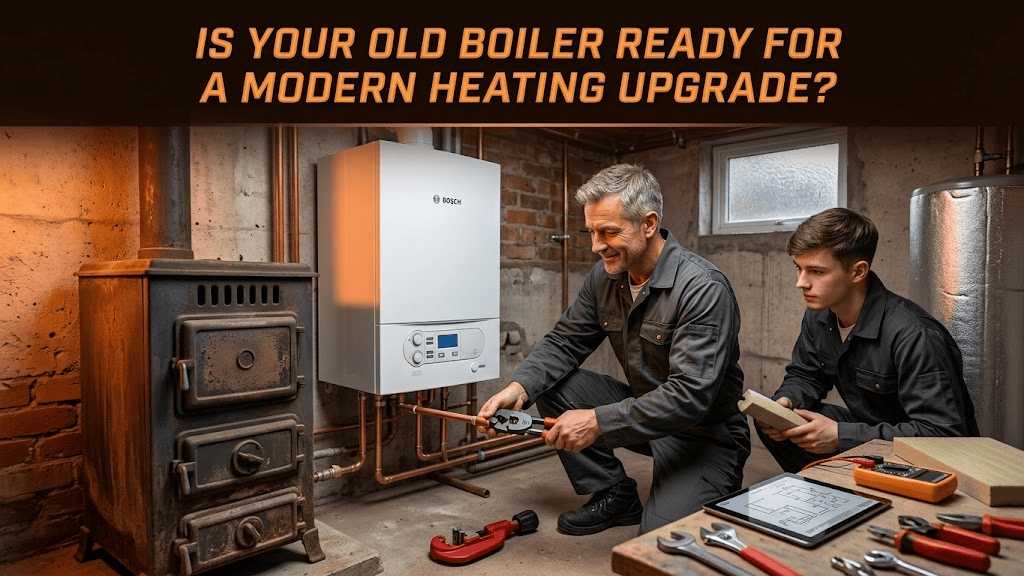
An old boiler can become less reliable as it gets older, while changes in energy prices and home heating technology may encourage homeowners to consider a different approach. For UK households, replacing an ageing boiler with a low-carbon heating system can involve significant planning, particularly when the new system works differently from a traditional boiler.
The boiler upgrade scheme provides a route for eligible homeowners to receive support when replacing certain fossil-fuel heating systems with qualifying low-carbon alternatives. Understanding how the scheme works, what the grant covers and what preparation may be required can help homeowners approach the upgrade with realistic expectations.
Why Consider Replacing an Old Boiler?
A boiler does not necessarily need replacing simply because it is old, but frequent repairs, declining efficiency or difficulty finding replacement parts can make an upgrade worth considering.
Homeowners may start thinking about replacement when they experience:
-
Increasing repair requirements
-
Uneven heating around the property
-
Rising energy consumption
-
An ageing or outdated heating system
-
Difficulty sourcing replacement components
-
Poor heating controls
The boiler upgrade scheme can be relevant when the replacement involves an eligible low-carbon heating technology rather than simply installing another conventional boiler.
What Is the Boiler Upgrade Scheme?
The boiler upgrade scheme is a government initiative intended to support eligible property owners in England and Wales with the transition to certain low-carbon heating systems.
The scheme can provide support towards eligible installations such as:
-
Air source heat pumps
-
Ground source heat pumps
-
Certain biomass boilers where the relevant requirements are met
This means homeowners considering replacing their boiler may have an opportunity to reduce the upfront cost of moving to an eligible alternative.
How Does the Boiler Upgrade Scheme Grant Work?
The boiler upgrade scheme grant is normally applied for by an approved installer on behalf of the homeowner.
The process generally involves:
-
Contacting an approved installer.
-
Assessing the existing heating system.
-
Checking the property's suitability.
-
Confirming the proposed heating technology.
-
Applying for the boiler upgrade scheme grant.
-
Completing the approved installation.
The grant contributes towards the eligible installation cost rather than automatically covering every expense involved in upgrading the heating system.
Can a Gas Boiler Be Replaced With a Heat Pump?
A gas boiler can potentially be replaced with an air source or ground source heat pump, provided the property and installation meet the relevant requirements.
However, a heat pump operates differently from a gas boiler. Instead of burning fuel to produce heat, it transfers heat from an external source into the home.
Before changing systems, an installer may assess:
-
Property heat loss
-
Existing radiators
-
Insulation
-
Heating controls
-
Pipework
-
Outdoor space
-
Electrical requirements
A suitable system needs to be correctly designed for the property's heating demand.
Does Your Home Need Better Insulation?
Insulation can have an important role when changing from a conventional boiler to a heat pump.
A poorly insulated home can lose heat quickly, increasing the heating demand. Improving insulation can help the property retain warmth and may support more efficient operation.
Areas worth checking include:
-
Loft insulation
-
Cavity or solid walls
-
Floors
-
Windows
-
External doors
-
Draughts
Improving the building's thermal performance can be considered before or alongside the heating upgrade.
What Costs Can Remain After the Grant?
Although the boiler upgrade scheme grant can reduce the upfront cost, homeowners may still need to contribute towards the overall project.
Additional expenses could include:
-
Radiator replacements
-
Pipework alterations
-
Electrical upgrades
-
Heating controls
-
Insulation improvements
-
Removal or modification of existing equipment
-
Additional installation work
A detailed quotation should clearly explain the total price, applicable grant and remaining homeowner contribution.
What Should You Ask an Installer?
Choosing the right installer is an important part of the process. Before agreeing to an installation, homeowners can ask:
-
Is the installer approved for the scheme?
-
Is my existing boiler eligible for replacement?
-
Is my property suitable for a heat pump?
-
How much is the boiler upgrade scheme grant?
-
What is included in the quoted price?
-
Will my existing radiators need replacing?
-
Are any electrical upgrades required?
-
What maintenance will the new system need?
Getting these answers beforehand can help prevent unexpected costs.
Is the Boiler Upgrade Scheme Right for Your Home?
The boiler upgrade scheme is particularly relevant to homeowners considering a move away from certain fossil-fuel heating systems towards eligible low-carbon alternatives.
However, the boiler upgrade scheme grant should be considered alongside the complete installation requirements. Property suitability, insulation, heating distribution and additional work can all affect the final project.
Frequently Asked Questions
What is the boiler upgrade scheme grant?
It is government support towards eligible low-carbon heating installations for qualifying properties in England and Wales.
Can I use the scheme to replace my old boiler?
Potentially. Eligibility depends on the existing heating system, property and proposed replacement technology.
Does the boiler upgrade scheme pay for the entire installation?
No. The grant reduces the eligible installation cost, but additional expenses may still need to be paid by the homeowner.
Is a heat pump better than an old boiler?
Heat pumps and boilers use different technologies, so suitability depends on the property, heating requirements, installation design and running costs.
Do I need to replace my radiators?
Not necessarily. An installer should assess whether the existing radiators can provide sufficient heat with the proposed heat pump system.

 English
 Arabic
 French
 Spanish
 Portuguese
 Deutsch
 Turkish
 Dutch
Dutch
 Russian
 Romaian
 Portuguese (Brazil)
 Greek
Greek