


Why is Accutane so hard on your body?
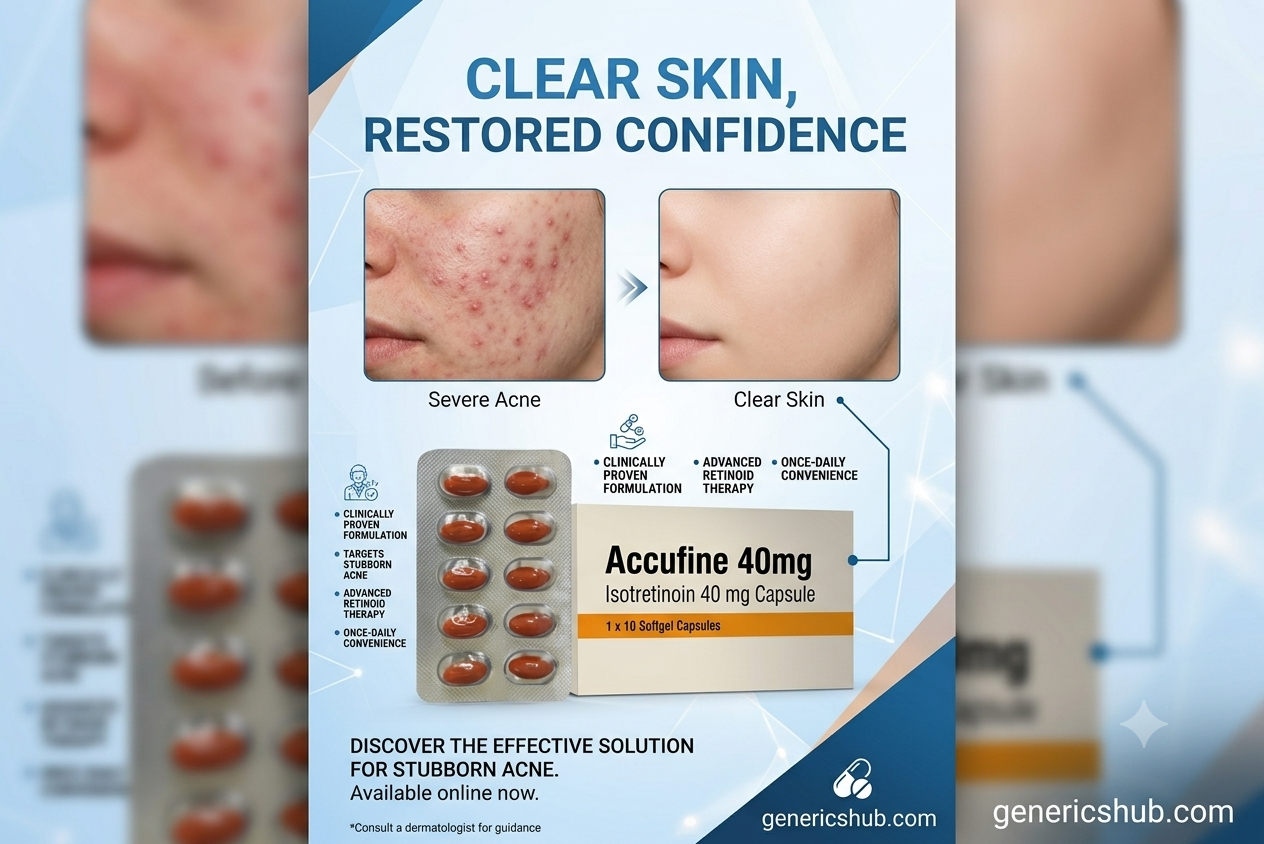
Accutane is a potent medication for treating acne. It works well to eliminate serious forms of the condition in some cases. However, patients wonder why it can be so difficult for the body to tolerate. The reason is that it impacts several aspects related to the oil production process, skin cells' development, and inflammation. For this reason, side effects are possible even with regular doses, like isotretinoin 40 mg.
Even though isotretinoin is an effective tool for dealing with severe acne, it is not easy to use without the supervision of medical professionals. Information about why side effects happen will help patients understand how it is supposed to go and when they need to consult their doctor.
What Is Accutane?
Accutane was a brand name for isotretinoin, which is a prescription retinoid obtained from vitamin A. Isotretinoin is produced under various brand names in the US.
It is usually only prescribed when the condition is serious or when other methods have been ineffective in treating it. Unlike many other topical treatments for acne, isotretinoin targets more than one factor that leads to this skin condition.
Isotretinoin 40 mg might be prescribed as part of a treatment plan. However, the dosage to take depends on various factors such as body weight, reaction to the treatment, side effects, and others.
Why Is Accutane So Harsh on Your Body?
Although it may not be toxic for everyone, the potency of this drug can lead to side effects. There are several reasons for this.
1. It Decreases Oil Production
One of the effects of isotretinoin is the reduction of sebaceous gland activity and their size. Sebaceous glands produce sebum which is a natural oil produced by our body.
As a result of the decreased production of oil, the skin can become:
- Very dry
- Tight and irritated
- Flakey
- Sensitive
- Susceptible to chapped lips
- Dry lips have been cited as one of the most frequent side effects of isotretinoin use.
2. Isotretinoin Has an Impact on the Functioning of Skin Cells
Isotretinoin has an effect on the way that skin cells function. This is essential in ensuring that the pores remain clear, and it reduces the occurrence of acne.
The altered functioning of skin cells makes the skin very sensitive and unable to tolerate harsh skin care products. Scrubs, harsh exfoliators, waxing and certain acne remedies can result in further irritation.
3. It Affects the Liver and Lipids in the Blood
The liver is responsible for processing numerous substances, including drugs. When patients use isotretinoin, their doctors will check certain blood test results since isotretinoin affects enzymes in the liver and lipids in the blood.
4. It Can Lead to Muscle and Joint Problems
Isotretinoin users often complain about pains in muscles, joints, or back. These conditions are especially common in people who are engaged in intensive physical activities.
Persistent and serious pain requires consulting a physician, rather than considering it a natural effect of the drug intake.
What Side Effects Are Possible for Isotretinoin 40 mg?
The side effects are individual. The possible side effects include:
- Cracked or dry lips
- Dry skin
- Dry eyes
- Dryness of nose or nosebleed
- Skin irritation
- Muscle or joint pain
- Headache
Patients receiving Accutane 40 mg can be affected by dryness and other side effects more pronouncedly; however, only the dose cannot influence on the severity of symptoms.
Severe complications are rare but require the medical assistance. One should consult his/her prescriber about the presence of unwanted reactions instead of self-discontinuation and adjustment of the dosage regimen.
Why is the Dosage Important?
The dose of isotretinoin depends on the individual patient characteristics. Patients receiving isotretinoin 40 mg do not have the same reaction as another patient receiving the same dose.
Physicians may change the dose depending on such factors as:
- Body weight
- Severity of the disease
- Reaction to treatment
- Side effects
- Other health problems
- Lab results in case of monitoring
Higher dose is likely to cause more intense side effects while low dose is well tolerated by many patients.
How Can You Reduce Side Effects While Using Isotretinoin?
One cannot avoid having side effects, but there are several habits that could make the treatment easier for you.
Protect Your Skin
Choose a mild cleanser and use a fragrance-free moisturizer. It is necessary to avoid unnecessary irritation from products.
Protect Your Lips
Have a lip balm with moisturizing ingredients at hand all day long. The application of it will help you to avoid any cracking.
Protect Your Eyes
If you experience the dryness of the eyes, you should consult with your doctor and get appropriate eye drops.
Protect Your Skin From the Sun
Isotretinoin may increase your skin sensitivity. It is important to protect yourself from the sun using sunscreen and special clothes.
Do Not Take Unnecessary Supplements
Since isotretinoin is similar to vitamin A, one needs to discuss taking supplements with vitamin A with a healthcare specialist.
Visit Healthcare Specialist
With follow-up visits, your healthcare specialist will be able to discuss your progress, possible side effects, and modify your treatment plan.
Commonly Asked Questions
1. Is isotretinoin 40 mg a high dose?
Isotretinoin 40 mg is a common capsule dosage, but whether or not it is a proper dosage can vary from person to person, based on his/her treatment plan. Dosage is determined by things like body weight, acne severity, effectiveness, and tolerability.
2. Why does Accutane give you dry lips?
Isotretinoin causes a decrease in the amount of oil produced. Since oils keep the moisture, dry lips and skin can result from the reduction of sebum.
3. Does Accutane affect your liver?
Some individuals who take isotretinoin experience changes in their liver enzymes. Blood work tests may be ordered by your physician in case of necessary during treatment.
4. Can Accutane cause body aches?
Pain in muscles and joints is among the possible side effects of isotretinoin treatment. If you experience pain that is too severe or frequent, talk to your healthcare specialist.
5. Is Accutane 40 mg safe for everyone?
Not all medications are indicated for everyone. In cases where a healthcare provider deems isotretinoin an appropriate drug to be used, several contraindications and precautions need to be taken into consideration.
6. How long do the side effects of Accutane last?
The time for recovery from most adverse effects may vary; some of them can disappear if the dosage is lowered, others if the treatment is stopped. However, there are many side effects that can become severe or even prolonged, thus, all unusual symptoms need to be discussed with a healthcare provider.
Conclusion
Accutane can be difficult for your body due to the strong effects of isotretinoin, which influences such processes as the regulation of the oily secretion from the skin glands, behavior of the skin cells, and other aspects. The most common are dryness-related symptoms, while alterations concerning blood lipids, liver enzymes, muscles, and joints can be seen in some patients.
Isotretinoin 40 mg, Accutane 40 mg, or any personalized dosage needs to be taken under the supervision of an experienced healthcare provider.

 English
 Arabic
 French
 Spanish
 Portuguese
 Deutsch
 Turkish
 Dutch
Dutch
 Russian
 Romaian
 Portuguese (Brazil)
 Greek
Greek