


Is Hair Transplant in Sharjah Suitable After PRP Treatment
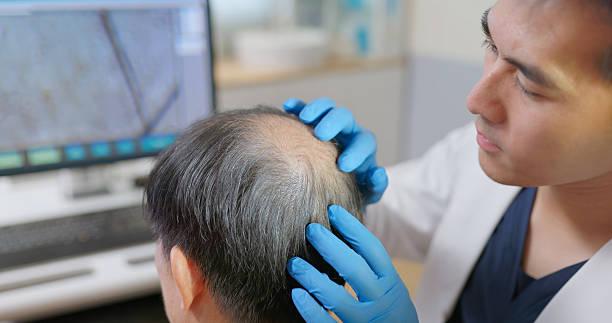
PRP and hair transplantation address hair loss through different mechanisms, so receiving PRP does not automatically prevent a later surgical restoration. For appropriately assessed patients, Hair Transplant in Sharjah may be considered after PRP when persistent areas of reduced density remain and the donor region can provide suitable follicles.
The important question is not simply whether PRP was previously performed. The treatment history, response of native hair, stability of the loss pattern, scalp condition and long-term donor requirements all need to be considered before planning transplantation.
How PRP and Hair Transplantation Differ
PRP uses a patient's own platelet-containing blood product as an injectable treatment intended to support the hair-growth environment. Hair transplantation instead relocates follicular units from a donor region into selected recipient areas.
PRP Works With Existing Follicles
PRP treatment is generally directed toward existing hair follicles rather than replacing follicles that have already been permanently lost.
If a scalp area contains miniaturized but viable follicles, treatment may be considered as part of a broader hair-loss management strategy.
Transplantation Adds Follicles to Selected Areas
A transplant moves suitable follicular units into recipient sites where additional permanent hair coverage is desired.
This makes transplantation fundamentally different from an injectable treatment. It is particularly relevant when an area has insufficient native follicular coverage to achieve the desired appearance through existing hair alone.
The Two Approaches Are Not Automatically Alternatives
Previous PRP treatment does not by itself establish that surgery is necessary or unnecessary. The current scalp condition needs to be assessed independently.
A patient may have undergone PRP because of thinning and still require a different restoration strategy for areas where density remains inadequate.
What Should Be Evaluated After PRP
The scalp should be assessed based on its current condition rather than the fact that PRP was previously administered.
Response of Native Hair
Photographic comparison can help establish whether hair density or caliber changed after treatment. The clinician can also assess whether the remaining native hair appears stable or continues to miniaturize.
This distinction is important because transplantation into an actively changing pattern requires different long-term planning from treatment of a stable deficit.
Current Scalp Condition
The scalp should be examined for inflammation, irritation, abnormal scaling, scarring or other findings that could affect treatment planning.
Any unresolved scalp issue should be evaluated before elective transplantation is considered.
Remaining Areas of Low Density
PRP may improve the appearance of some thinning areas without completely restoring density. If a particular region remains visibly sparse, its suitability for graft placement can be assessed separately.
The treatment zone should be defined according to the current anatomy rather than the original area of concern.
When Hair Transplant in Sharjah May Follow PRP
The suitability of transplantation depends on several clinical factors rather than a fixed sequence of treatments.
Persistent Structural Hair Loss
If an area has substantial follicular loss and remains visibly deficient after appropriate non-surgical management, transplantation may be considered when the recipient tissue is suitable.
The goal is to add stable donor follicles to areas where additional coverage is required.
Suitable Donor Supply
The donor region needs to contain an adequate supply of suitable follicular units. Density, caliber, follicular-unit composition and the stability of donor hair all influence the available graft reserve.
Previous PRP does not increase the biological supply of donor follicles, so donor conservation remains important.
A Defined Restoration Objective
The patient and clinician should identify what remains visually deficient after previous treatment. This could involve a limited area rather than the entire scalp.
Targeted planning can help prevent unnecessary extraction when only selected regions require additional coverage.
Why Previous PRP Results Matter to the Consultation
PRP history can provide useful context about the patient's hair-loss management, but it should not be used as a substitute for current assessment.
| PRP-related factor | What it can indicate | Why it matters for transplantation |
|---|---|---|
| Number of sessions | Treatment history | Establishes previous management |
| Treatment interval | Timing of previous therapy | Provides context for assessment |
| Response | Change in native hair | Helps evaluate current density |
| Persistent thinning | Remaining visible deficit | Defines potential recipient areas |
| Scalp condition | Current tissue status | Supports treatment suitability |
| Donor status | Available stable follicles | Determines graft potential |
| Pattern progression | Ongoing versus stable loss | Influences long-term planning |
The information should be interpreted alongside scalp examination and hair-loss history rather than in isolation.
Timing After PRP Should Be Individualized
There is no universal interval that automatically makes transplantation appropriate after PRP. Timing should reflect the patient's treatment history, scalp condition and the purpose of the previous PRP treatment.
Allowing the Scalp to Be Assessed Properly
The clinician needs to evaluate the scalp in its current state and understand whether the previous treatment produced a meaningful change.
This can be easier when the response and progression of hair loss have been documented over time.
Avoiding Decisions Based on Short-Term Appearance
Hair growth changes can take time to become visually apparent. A decision made solely from an immediate post-treatment appearance may not accurately represent the longer-term pattern.
The consultation should therefore consider the broader history rather than relying on a single photograph.
Coordinating Different Treatment Goals
If PRP remains part of the patient's hair-loss management, the transplantation plan should be coordinated with the broader strategy.
The purpose is to ensure that surgical grafts are being used for areas that genuinely require additional follicles.
Native Hair Preservation After Previous PRP
Patients who have received PRP may still have a substantial amount of native hair within the proposed treatment zone.
Identifying Miniaturized Follicles
Some hairs may appear thin but still contain functioning follicles. Distinguishing these from areas of permanent follicular loss helps define where transplanted grafts should actually be placed.
Avoiding Unnecessary Recipient-Site Trauma
When native follicles remain, recipient sites need to be positioned carefully around existing growth.
Protecting these follicles matters because their continued contribution can significantly affect the overall appearance.
Planning for Future Hair Loss
PRP treatment does not guarantee that future pattern hair loss will stop. Native follicles can continue to change depending on the underlying condition.
A transplant plan should therefore account for potential progression rather than assuming that current density will remain unchanged.
Donor Management After Previous Hair-Loss Treatment
The donor area should be assessed independently of the previous PRP treatment.
Donor Density
The number of usable follicular units depends on the characteristics of the donor region. A visual examination alone may not fully represent the distribution of available grafts.
Hair Caliber
Thicker donor hairs may provide different visual coverage from finer follicles. Follicular-unit composition also affects how efficiently grafts can be used.
Extraction Distribution
When grafts are harvested, extraction should be distributed appropriately rather than concentrated excessively in one small donor area.
This helps maintain the appearance of the donor region and preserves potential options for future restoration.
Choosing Grafts for Areas That Remain Thin
A previous PRP response may leave certain areas improved while others remain visibly deficient. The remaining deficit should be treated according to its anatomy.
Frontal Areas
The frontal region requires controlled transition work and attention to existing hair direction. Grafts should integrate with the current hairline rather than create a separate transplanted boundary.
Mid-Scalp Areas
Where native hair remains between areas of lower density, graft placement needs to complement rather than unnecessarily replace existing follicles.
Crown Areas
The crown has a rotational growth pattern that affects recipient-site direction. Density planning should follow the natural whorl rather than treating the area as a simple circular patch.
FUE and Implantation After PRP
Previous PRP does not automatically determine which transplantation technique should be used.
Follicular Unit Extraction
FUE involves harvesting individual follicular units from the donor area. The extraction plan can be adapted to the number and characteristics of grafts required.
Direct Implantation
Direct implantation techniques can allow prepared grafts to be placed into selected recipient sites. Their suitability depends on the patient's anatomy and the overall surgical plan.
The Clinical Objective Comes First
Technique selection should follow donor characteristics, recipient requirements and the desired restoration pattern. Previous PRP is a treatment-history factor rather than a standalone reason to select one transplantation method.
Recovery Considerations for Patients Travelling From Sharjah
Patients who previously underwent PRP may already be familiar with scalp-focused treatment, but transplantation involves a different recovery process because follicles are surgically harvested and implanted.
Temporary redness, swelling, crusting and sensitivity can occur after transplantation. Postoperative scalp washing, exercise, sun exposure and other activities should follow the treating team's specific instructions.
For patients travelling between Sharjah and Dubai, transportation and work schedules should be arranged around the expected recovery requirements. The region's heat, sunlight and outdoor exposure can also influence practical aftercare planning.
Questions About Hair Transplantation After PRP
Can I have a hair transplant after PRP?
Yes, previous PRP does not automatically exclude transplantation. Suitability depends on the current scalp condition, donor supply and restoration requirements.
Does PRP need to stop before a transplant?
Not necessarily. The timing and coordination of treatments should be determined according to the individual's treatment plan and clinical assessment.
Can PRP replace a hair transplant?
PRP and transplantation serve different purposes. PRP works with existing follicles, while transplantation relocates suitable follicles into selected recipient areas.
Does PRP improve the transplanted grafts?
PRP should not be assumed to guarantee improved graft survival or growth. Any use alongside transplantation should be discussed as part of an individualized clinical plan.
How long should I wait after PRP?
There is no single interval that applies to everyone. The appropriate timing depends on the scalp condition, treatment history and clinical assessment.
Building a Restoration Plan Around Previous Treatment
A history of PRP should be viewed as one part of the patient's overall hair-loss history. The more useful assessment begins with the current distribution of hair, the condition of native follicles and the stability of the donor area.
For patients considering surgical restoration, Tajmeels Clinic can provide a setting for discussing previous hair-loss treatments, current density and individualized graft planning.
The consultation can also clarify which areas genuinely require transplanted follicles and which areas may continue to benefit from management of existing native hair.
The Strategic Investment
Previous PRP treatment does not close the door to surgical restoration. It simply adds another piece of information to the clinical picture: how the patient's existing hair responded, which areas remain deficient and whether the underlying loss continues to progress.
A Hair Transplant in Sharjah may be considered when persistent density loss remains after previous treatment, the recipient tissue is suitable and sufficient stable donor follicles are available. Careful coordination can prevent unnecessary graft use while allowing transplantation to address areas where additional follicular coverage is genuinely needed.
Patients with a history of PRP can discuss their previous treatment, current hair pattern and donor characteristics with Tajmeels Clinic in Dubai when developing an individualized restoration plan.

 English
 French
 Spanish
 Portuguese
 Deutsch
 Turkish
 Dutch
Dutch
 Italiano
 Russian
 Romaian
 Portuguese (Brazil)
 Greek
Greek