


Seven Cosmetic Packaging Mistakes Beauty Brands Make, and How to Fix Them
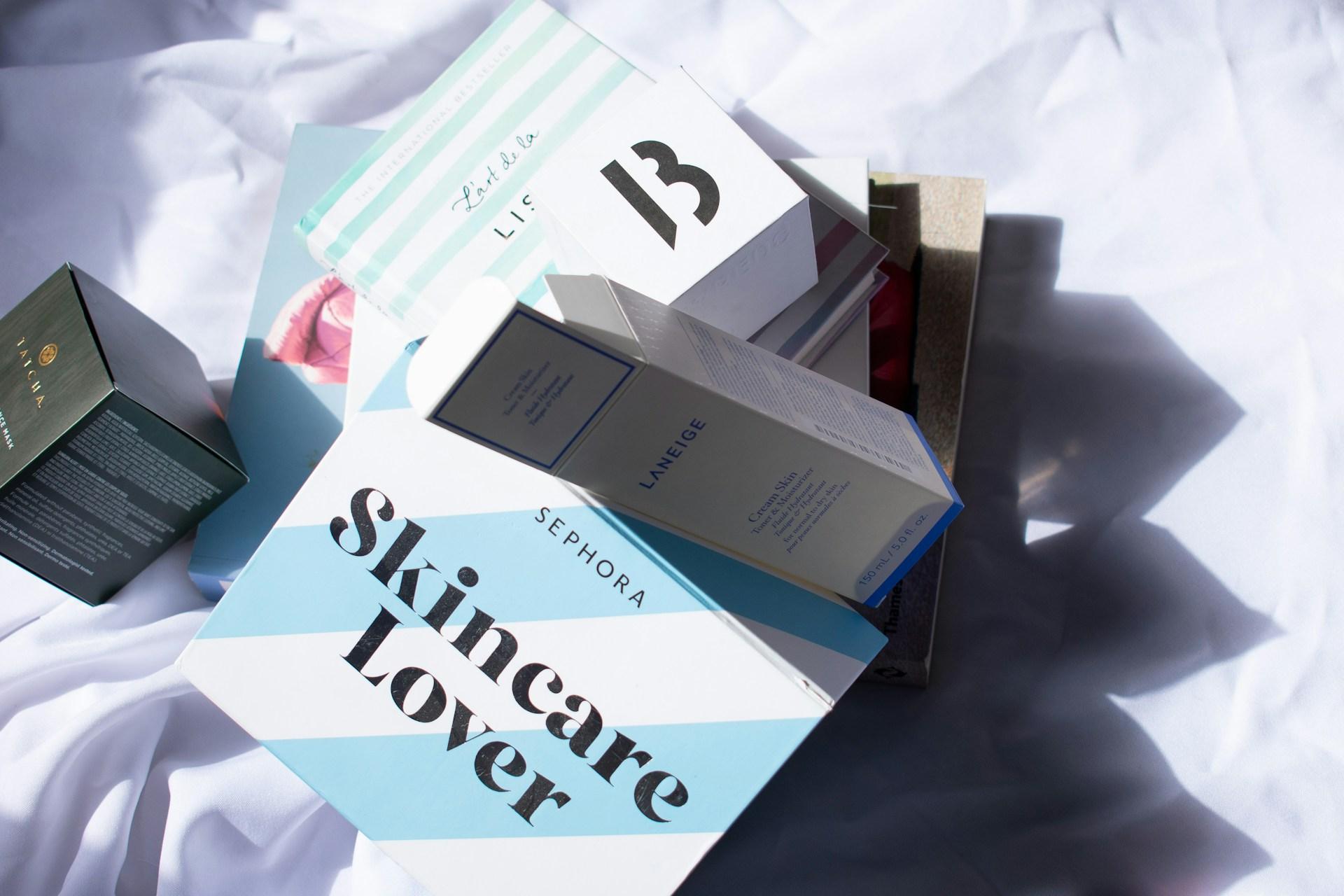
Launching a beauty product takes months of work. Formulas are tested, shades are adjusted, and ingredient lists are checked again and again. Then, too often, the packaging gets decided in a rush at the very end. The result is boxes that crush in transit, labels nobody can read, or designs that disappear on a crowded shelf.
Good cosmetic packaging deserves the same attention as the product itself, because it's the first thing a customer touches and the last thing they see before deciding to buy. This guide walks through seven common packaging mistakes, from retail displays to grooming kits, and explains how the right box style can help you avoid each one.
Mistake 1: Treating Every Product the Same
Many new brands order one generic box size and try to fit everything into it. A lipstick rattles around in extra space, a palette barely fits, and a glass bottle has nothing holding it in place.
The fix: Match the packaging to the product. Slim tubes, flat compacts, precision tools, and glass bottles each have different shapes and weak points. A box built around the item's exact dimensions protects it better, looks more professional, and often costs less to ship because there's no wasted space.
Before ordering, measure every product carefully, including caps, pumps, and droppers. Then choose a style designed for that type of item rather than forcing a single design to cover your whole range.
Mistake 2: Forgetting How Products Look in a Store
A box can look beautiful as a digital mockup and still fade into the background once it sits among hundreds of other products. Small items in particular tend to get lost, especially when they're placed loosely on a shelf.
The fix: Plan for the retail environment from the start. Cosmetic Display Boxes solve this by gathering products into a single organized unit that draws the eye. Instead of a handful of scattered lip glosses, shoppers see a neat, branded collection that invites them to browse.
Display boxes work especially well near checkouts, where shoppers have a moment to look around while waiting. A raised header panel can carry your logo or a short message, and tiered rows keep every product visible. Store staff benefit too, since a structured display makes it easy to see when stock is running low.
Quick tip: View your design from a few feet away before approving it. If the brand name and product type aren't clear at that distance, simplify the layout.
Mistake 3: Cramming Too Much Onto Small Boxes
Narrow packaging leaves very little room for text, yet brands often try to fit every claim, ingredient, and slogan onto the front. The result is cluttered and hard to read.
The fix: Prioritize. Mascara Boxes are a good example of this challenge. Their slim shape works well for protecting tubes and saving shelf space, but it means the front panel should focus on one clear message, such as lengthening, volumizing, or waterproof.
Move secondary details, like full ingredient lists and directions, to the side or back panels. Use color to do some of the work. For instance, each formula in your mascara range could have its own accent color, so returning customers can find their favorite in seconds. Since mascara is replaced regularly, easy recognition encourages repeat purchases.
Quick tip: Use no more than two typefaces on a small box, and keep the most important words large enough to read at arm's length.
Mistake 4: Underestimating Delicate Tools
Beauty tools may seem sturdy, but many rely on precision. Tweezers are a perfect example. If the tips get bent or misaligned during shipping, they stop gripping properly, and the customer's first experience is frustration.
The fix: Give tools a fitted home. Tweezer Boxes typically include slots cut into foam or folded paperboard that hold the tool in place and keep the tips from pressing against anything.
These boxes also add lasting value, since customers can keep using them to store the tool safely between uses. For brands that sell grooming sets, a wider box with several slots can hold tweezers, small scissors, and brow brushes together. A clear lid or small window lets shoppers admire the finish before buying, and a short care note printed inside shows that your brand pays attention to details.
Quick tip: Test your tool packaging by shaking it firmly. If you can hear movement, the fit needs adjusting.
Mistake 5: Ignoring the Personality of Your Audience
Some brands branch into new categories but keep the same packaging style they use for everything else. A men's grooming line packaged like a pastel skincare set can confuse shoppers and weaken the product's appeal.
The fix: Let packaging reflect the people you're selling to. Beard Oil Boxes are a strong example of packaging with a distinct personality. Many grooming brands choose darker tones, textured kraft board, vintage-style emblems, or metallic foil to create a confident, handcrafted look.
Practical protection matters here too. Beard oil often comes in glass dropper bottles, so the box should keep the bottle upright and steady. Listing scent notes such as cedarwood, bergamot, or vanilla on the front helps shoppers choose quickly. Gift kits that combine oil with a comb or balm are especially popular during holidays.
Quick tip: Look at the stores and barbershops where your products will be sold, and design packaging that feels at home in those spaces.
Mistake 6: Not Planning for Fragile Formulas
Pressed powders, baked highlighters, and eyeshadow pans can crack when a package is dropped. Broken palettes are one of the most common reasons for returns in online beauty sales.
The fix: Build protection around the compact. Well-designed eyeshadow boxes hold the palette snugly so it can't slide inside, and some add a cushioning layer for extra security. Brands selling single pans or refills can use inserts that give each pan its own space.
Protection doesn't have to limit creativity. Eyeshadow packaging is one of the most expressive formats in beauty. A palette themed around a season, city, or mood can carry that story across the box with matching artwork and shade names. A printed shade chart on the back helps shoppers see every color before opening. Limited-edition designs often become collectibles that customers keep on their vanity.
Quick tip: Ship a few sample orders to yourself before launch to see how palettes hold up in real delivery conditions.
Mistake 7: Skipping the Big-Picture Plan
Brands sometimes design each box separately as products are added over time. Eventually, the collection looks mismatched, with different colors, fonts, and finishes that don't feel connected.
The fix: Create a packaging system. Choose a core color palette, consistent typography, and a few signature finishes that appear across every box. Individual products can still have their own accents, but the overall family should look unified.
This approach pays off on shelves and online. When a customer sees one of your products, they should be able to recognize your brand instantly, whether they're looking at a display box, a mascara, a tweezer set, a beard oil, or a palette.
It also helps to think about sustainability early. If eco-friendly materials matter to your customers, choose recyclable board, limit mixed materials that are hard to separate, and print simple disposal instructions. Confirm any environmental claims with your supplier before placing them on the box.
A Simple Checklist Before You Order
Before finalizing your packaging, run through these questions:
-
Does each box fit its product closely?
-
Can shoppers identify the product and brand from a distance?
-
Is the most important information easy to read?
-
Will fragile items survive drops and shaking?
-
Does the design suit the audience you're targeting?
-
Do all your boxes look like part of the same family?
-
Have you ordered and tested samples?
Conclusion
Packaging mistakes are common, but they're also easy to avoid with some planning. Display boxes help products get noticed, mascara boxes keep everyday essentials clear and recognizable, tweezer boxes protect precision tools, beard oil boxes give grooming lines their own identity, and eyeshadow boxes keep delicate palettes safe and beautiful. When you invest in custom packaging boxes designed around each product and each customer, your packaging stops being an afterthought and becomes one of your strongest selling tools.

 English
 Arabic
 French
 Spanish
 Portuguese
 Deutsch
 Turkish
 Dutch
Dutch
 Italiano
 Russian
 Romaian
 Portuguese (Brazil)