


Engineered Garments Turns Familiar Clothes Into Something New
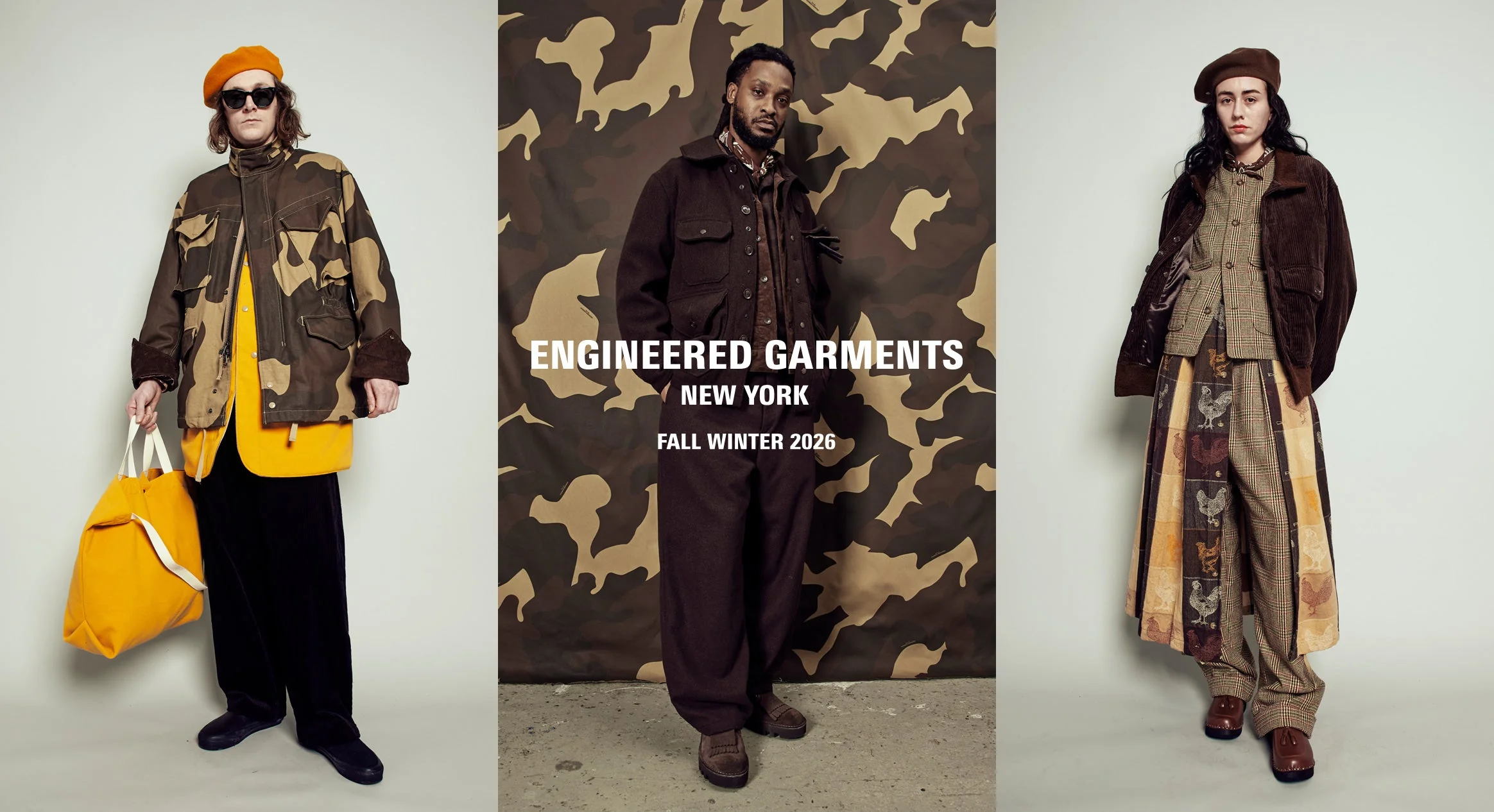
Some of the most interesting clothes in fashion begin with pieces people already know. A work jacket, fatigue trouser, field shirt, or hunting vest may look simple on its own, yet changing its shape can give it an entirely different feel. Engineered Garments follows this idea closely. The New York label takes inspiration from American workwear, military uniforms, outdoor clothing, sportswear, and old tailoring, then views these garments through a Japanese design perspective. Pockets move, proportions change, fabrics vary, and several references can appear within one piece. Engineered Garments Clothing feels rooted in the past without looking stuck there, which gives the label a distinctive place in contemporary menswear.
The Designer Behind the Clothing
Daiki Suzuki founded Engineered Garments in New York under the Nepenthes group. His interest in American clothing grew from studying garments with a clear purpose and a strong visual identity. Older work uniforms, military pieces, hunting clothes, and outdoor gear became sources for his design work. Suzuki did not simply reproduce these garments. He studied their construction and then changed the details to create new forms. This approach helped shape the look associated with Engineered Garments. The clothing often feels relaxed, layered, and practical, yet small changes in proportion give familiar pieces a fresh appearance.
Why Old Workwear Still Works
Workwear has a direct connection to daily life. A jacket needs storage, trousers need room for movement, and shirts need to be comfortable when worn for long hours. Those qualities still make workwear attractive today, even when the clothing is worn in a city rather than on a job site. Engineered Garments keeps this practical spirit while changing the visual balance of each piece. A jacket may have several pockets, a shirt may have a wider body, or trousers may sit differently on the waist and leg. These details give simple clothing more personality without relying on large branding.
Pocket Placement Becomes Part of the Design
Pockets may seem like small features, but they can change the whole appearance of a garment. Engineered Garments often uses pockets in unusual positions or combines several pocket shapes on one item. This can make a jacket look fuller or give a shirt a more substantial appearance. Military clothing and outdoor gear provide much of the inspiration for these details. The pockets also serve a practical purpose, making the garments useful as well as visually interesting. This is one reason the label's clothing can look different even when its starting point is a familiar work jacket or shirt.
Engineered Garments Jackets Shape an Outfit
Engineered Garments US Jackets can become the piece around which an entire outfit is built. The Bedford Jacket brings tailoring references into a jacket with workwear details, while the Loiter Jacket has a softer shape that works well over simple layers. Field jackets bring military references into casual clothing through pockets, fabric, and color. These jackets do not need complicated styling. Try one with straight denim, a plain T-shirt, and sneakers, or wear it with an Oxford shirt, wool trousers, and leather shoes. The jacket can set the tone while the rest of the outfit stays simple.
Engineered Garments Shirts Change Classic Shirting
A shirt can say a lot about the way a person dresses. Engineered Garments Shirts often use familiar American shirt styles but change the fit, pocket design, fabric, or collar. Work shirts can be worn open over a T-shirt, while 19th Century BD Shirts can bring an older shirting reference into a modern outfit. Oxford cotton works well with trousers and leather shoes, while printed fabrics can bring more character to denim and casual footwear. A fuller shirt can also create a good balance beneath a shorter jacket, giving the outfit a layered shape without looking forced.
Engineered Garments Pants Bring Military Style Into Casual Wear
Engineered Garments Pants take inspiration from fatigue trousers, military uniforms, and work clothing. Fatigue Pants are a strong example of this approach, with their utility pockets and relaxed shape. Olive and army green naturally connect with the military reference, while black, navy, and khaki can create a cleaner appearance. Wear them with a tucked Oxford shirt for a sharper outfit or pair them with a plain sweatshirt and sneakers for a relaxed weekend look. The wider shape also works well with roomy shirts and shorter outer layers.
Fabric Changes the Mood of the Garment
Fabric can change the way the same garment looks and feels. Cotton gives a shirt or jacket a familiar workwear character, while denim brings a firmer appearance. Wool can make a jacket feel more suited to colder weather, and nylon can give an outdoor-inspired piece a lighter feel. Engineered Garments often plays with these materials to give old clothing ideas a different mood. Texture also matters when putting an outfit together. Combining cotton, denim, wool, canvas, or nylon can add depth while keeping the color palette simple.
How to Build a Wardrobe Around Engineered Garments
You do not need a complete Engineered Garments wardrobe to wear the label well. Start with one piece that fits your existing clothes. Fatigue Pants can work with plain shirts and sneakers, while a Bedford Jacket can sit over denim and knitwear. A work shirt can become a light outer layer during warmer months. Neutral colors such as navy, black, white, olive, grey, and khaki make mixing easier. Once those pieces feel natural in your wardrobe, patterned shirts, field vests, or unusual jackets can add more character without changing your entire style.
How to Check an Engineered Garments Purchase
When buying Engineered Garments Clothing, look beyond the product name. Check the garment measurements, model name, season, fabric, labels, buttons, stitching, pocket layout, and photographs. Roomy cuts are common across the label, so chest width and sleeve length can matter more than the size printed on the label. When buying online, clear images should show the garment from several angles. A seller should also give enough information to identify the piece. These checks can help you avoid misleading listings and choose clothing that suits your preferred fit.
Why Engineered Garments Remains Relevant
Engineered Garments shows how old clothing ideas can continue to change. American workwear, military garments, outdoor gear, and traditional shirts all become starting points for new shapes and combinations. The label's Japanese design influence gives these familiar pieces another visual language, while its New York setting keeps the clothing connected to contemporary American fashion. Engineered Garments Jackets, Engineered Garments Shirts, and Engineered Garments Pants each show a different side of this approach. For people who enjoy clothing with history, practical details, and room for personal styling, Engineered Garments Clothing remains a strong part of modern menswear.
Engineered Garments FAQs
What inspires Engineered Garments?
The label draws from American workwear, military uniforms, outdoor clothing, hunting gear, sportswear, and traditional menswear.
Who founded Engineered Garments?
Daiki Suzuki founded the label in New York through Nepenthes.
What makes Engineered Garments Clothing different?
Its unusual proportions, pocket layouts, layered shapes, fabrics, and mix of American references with Japanese design give the clothing its distinct character.
How can I style Engineered Garments Pants?
Try them with Oxford shirts, plain T-shirts, sweatshirts, knitwear, sneakers, or leather shoes. Olive and khaki work well with neutral colors.
Are Engineered Garments Jackets easy to wear?
Yes. Their workwear-inspired shapes can work with denim, chinos, fatigue trousers, shirts, T-shirts, and knitwear.
Engineered Garments Gives Old Ideas a Fresh Life
Engineered Garments does not need to abandon classic American clothing to make it feel new. It changes familiar garments through proportion, pockets, fabrics, layering, and thoughtful combinations. That approach gives workwear and military clothing a place in contemporary wardrobes while keeping their original character visible. Engineered Garments Clothing, from jackets and shirts to pants and outer layers, shows how fashion can move forward while still respecting the clothes that came before it. Its mix of New York culture and Japanese design continues to make the label an interesting name in modern menswear.

 English
 Arabic
 French
 Spanish
 Portuguese
 Deutsch
 Turkish
 Dutch
Dutch
 Italiano
 Russian
 Romaian
 Greek
Greek