


Corrugated Roof Replacement Leeds: A Complete Guide for Homeowners and Property Owners
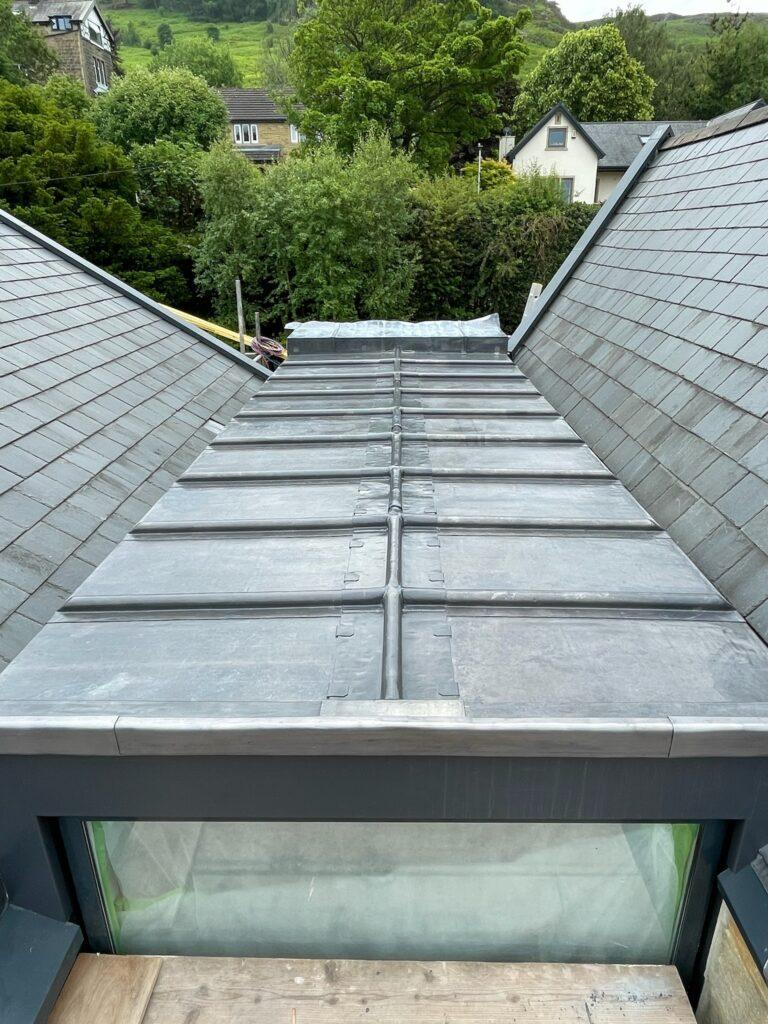
A corrugated roof can provide reliable protection for many types of buildings, including garages, workshops, agricultural structures, commercial units, extensions, sheds and other outbuildings. However, like any roofing material, corrugated sheets can deteriorate over time because of weather exposure, moisture, physical damage and general ageing. When deterioration becomes significant, replacing the roof can help restore weather protection and improve the long-term condition of the building.
For property owners considering Corrugated Roof Replacement Leeds, understanding the condition of the existing roof is an important first step. A roof should not necessarily be replaced simply because it is old. Instead, factors such as leaks, corrosion, damaged sheets, weakened fixings, poor drainage and the overall condition of the supporting structure should be considered before work begins.
Leeds properties are exposed to changing weather throughout the year, including rainfall, wind, frost and periods of damp conditions. Consequently, roofing materials need to be able to withstand repeated exposure without allowing moisture into the building. A properly planned replacement can address existing problems while creating a more durable and practical roofing system.
When Does a Corrugated Roof Need Replacing?
Not every damaged corrugated roof requires complete replacement. In some situations, individual sheets, fasteners or flashing can be repaired. However, when problems become widespread, replacing the roof may provide a more suitable long-term solution.
Persistent Water Leaks
Repeated leaks are one of the clearest indications that a roof requires attention. Water can enter through damaged sheets, deteriorated seals, failed overlaps or loose fixings. Although a small leak may initially appear manageable, continued water penetration can eventually affect insulation, timber, internal walls, ceilings and stored belongings.
If several areas of the roof are allowing water inside, carrying out repeated small repairs may not be the most practical approach. A complete assessment can determine whether replacement is more appropriate.
Corrosion and Surface Deterioration
Metal corrugated sheets can develop corrosion when protective coatings become damaged or when moisture remains on the surface for extended periods. Early signs may include discolouration, bubbling coatings, rust spots or weakened sections.
Once corrosion has significantly reduced the strength of the sheets, repairs may become increasingly difficult. Replacing deteriorated materials can restore the roof's protective function and reduce the likelihood of further structural problems.
Cracked, Bent or Broken Sheets
Physical damage can occur because of severe weather, falling branches, accidental impact or general deterioration. Bent sheets may no longer sit correctly against neighbouring panels, while cracks and holes can create direct routes for rainwater.
Where damage is limited, individual panels may be replaceable. However, extensive damage across the roof can indicate that a larger replacement project is necessary.
What Should Be Checked Before Replacement?
A successful roofing project involves more than simply removing old sheets and installing new ones. The condition of the entire roofing system should be considered before replacement work begins.
Inspecting the Supporting Structure
The framework beneath corrugated sheets needs to be checked carefully. Depending on the building, this may include timber rafters, purlins, battens or other structural components.
Long-term leaks can cause timber to absorb moisture, potentially resulting in deterioration or weakening. Installing new sheets over damaged structural materials may not solve the underlying problem. Therefore, any significant defects should be identified before the new covering is installed.
Checking Roof Falls and Drainage
Water needs a suitable route away from the roof. Poor falls, blocked gutters or incorrectly positioned drainage can cause water to remain on or around the roofing system.
Before replacement, gutters, downpipes, valleys, edges and other drainage points should be inspected. Correcting drainage problems can help protect the new roof from unnecessary moisture exposure.
Assessing Existing Fixings
Corrugated sheets rely on suitable fixings to remain secure. Over time, screws, washers and other fastening components can deteriorate or become loose.
Old or unsuitable fixings may contribute to movement, leaks and wind-related damage. During replacement, the fastening system should therefore be selected according to the roofing material and the structure being covered.
Choosing the Right Corrugated Roofing Material
There are several types of corrugated roofing materials available, and the appropriate option depends on the building, budget, appearance, expected lifespan and intended use.
Corrugated Metal Roofing
Metal sheets are widely used for garages, workshops, commercial buildings, agricultural structures and other practical applications. Steel roofing can offer good strength and durability, particularly when protected with suitable coatings.
Modern coated metal sheets can also be available in different profiles and finishes, allowing property owners to select an appearance that suits the building.
Fibre Cement Corrugated Sheets
Fibre cement roofing can be suitable for certain agricultural, industrial and utility buildings. It is generally valued for its durability and resistance to various environmental conditions.
When considering older roofing materials, however, professional assessment is important. Some older roofing products may require specialist handling or disposal procedures, particularly where hazardous materials could be present.
Plastic or GRP Corrugated Roofing
Certain extensions, canopies, workshops and agricultural buildings may benefit from translucent or reinforced plastic roofing products. These can allow natural light into a building while providing protection from the weather.
The choice should depend on the property's specific requirements rather than simply selecting the cheapest available material.
Benefits of Replacing an Old Corrugated Roof
A replacement roof can provide several practical benefits when the existing system has reached the end of its useful service life.
Improved Weather Protection
A properly installed new roof can reduce the risk of water entering the building through damaged sheets, failed overlaps and deteriorated fixings. This can be particularly important for buildings used to store equipment, stock, tools or vehicles.
Better Long-Term Reliability
Older roofing systems can require increasingly frequent repairs. If several components are deteriorating at the same time, replacement may create a more consistent roofing system.
For property owners researching Corrugated Roof Replacement Leeds, considering long-term reliability rather than only the immediate repair cost can help with planning and budgeting.
Improved Appearance
A weathered roof can make an otherwise well-maintained property appear neglected. New corrugated sheets can provide a cleaner and more consistent appearance, particularly when an appropriate colour and finish are selected.
Reduced Maintenance
A new roofing system with suitable fixings, flashing and drainage can reduce the need for repeated maintenance. Regular inspections should still be carried out, but a properly installed roof can provide a more manageable long-term solution.
How the Roof Replacement Process Works
Understanding the typical replacement process can help property owners prepare for the work and identify important stages.
Initial Roof Inspection
The process generally starts with an assessment of the existing roof. The condition of the sheets, fixings, structure, flashing, gutters and surrounding areas should be considered.
The inspection should also identify potential access requirements, safety concerns and any issues that could affect the replacement.
Removal of Existing Roofing
Where complete replacement is required, the existing sheets are carefully removed. This stage should be carried out with appropriate safety precautions because old roofing materials can be fragile, sharp or unstable.
Waste materials should also be handled and disposed of responsibly according to their type.
Structural Repairs
Once the old covering has been removed, previously hidden problems may become visible. Damaged timber, deteriorated supports or unsuitable components may need to be repaired before new sheets are fitted.
Completing these repairs at the correct stage helps prevent new roofing materials from being installed over an unsuitable base.
Installation of New Sheets
The new corrugated sheets are positioned according to the required overlap and roof layout. Correct alignment is important for both appearance and weather resistance.
Suitable fixings should be installed at the appropriate locations, with care taken not to overtighten them and damage the roofing material.
Flashing and Weatherproofing
Roof edges, joints, penetrations and connections require appropriate weatherproofing. Flashing and sealing components can help prevent water from entering vulnerable areas.
Attention to these details is particularly important because a roof can have high-quality sheets but still experience leaks if joints and penetrations are poorly installed.
Final Inspection
After installation, the completed roof should be checked for alignment, secure fixings, drainage, overlaps and visible defects. Gutters and other drainage components should also be checked to ensure that rainwater can move away effectively.
How Leeds Weather Can Affect Corrugated Roofing
Weather conditions play an important role in the lifespan and performance of external roofing materials. Rainfall can repeatedly expose sheets, fixings and joints to moisture, while strong winds can place additional pressure on roofing panels.
During colder periods, frost and temperature changes can also affect materials and seals. Therefore, regular inspections are useful even when a roof does not currently appear to have a serious problem.
For buildings in and around Leeds, a preventative maintenance approach can help identify minor issues before they develop into larger roofing problems.
How to Maintain a New Corrugated Roof
Roof replacement is a significant investment, so regular maintenance can help protect the new installation.
Keep Gutters and Drainage Clear
Leaves, dirt and debris can restrict water flow. Blocked gutters can cause water to overflow against walls or remain around roofing edges.
Cleaning drainage systems periodically can help prevent avoidable moisture-related problems.
Inspect Fixings and Seals
Fixings should be checked for signs of movement, corrosion or deterioration. Seals around vulnerable areas should also be monitored.
If a problem is identified, addressing it early can be considerably simpler than waiting until water enters the building.
Remove Accumulated Debris
Branches, leaves and other debris should not be allowed to remain on the roof for long periods. Accumulated material can retain moisture and may contribute to surface deterioration.
Roof inspections should always be performed safely, particularly where the roof is high, steep, fragile or difficult to access.
Factors That Can Affect Replacement Cost
The cost of Corrugated Roof Replacement Leeds can vary considerably from one property to another. There is no single price that applies to every building because several factors influence the overall project.
Roof Size and Design
Larger roofs require more materials and labour. Complex roof shapes, multiple slopes and difficult access can also increase the amount of work involved.
Roofing Material
The selected material, thickness, protective coating and profile can all affect the final cost. A property owner should consider expected service life and suitability rather than focusing only on the initial purchase price.
Condition of the Structure
If supporting timbers or other structural components require repair, additional work may be necessary before the new roof can be installed.
Removal and Disposal
The cost and complexity of removing the existing roofing materials can depend on their condition and composition. Specialist handling may be required for certain older materials.
Questions to Ask Before Hiring a Roofing Contractor
Choosing a suitable roofing professional is an important part of the project. Before work starts, property owners can ask questions about the proposed materials, installation process and scope of work.
Ask What Materials Will Be Used
The quotation should clearly identify the proposed roofing material, profile and relevant components. This makes it easier to understand what is included in the project.
Ask About Structural Repairs
It is useful to establish whether the contractor will inspect the underlying structure and how any additional repairs will be handled if problems are discovered.
Request a Clear Written Quote
A detailed quotation should identify labour, materials, removal of existing roofing, waste disposal and any other expected costs. Clear documentation can reduce misunderstandings during the project.
Check Previous Roofing Work
Looking at examples of completed projects can help property owners understand the contractor's experience with similar roofing systems.
Why Professional Installation Matters
Corrugated roofing may appear relatively straightforward to install, but details such as sheet overlap, fixing positions, flashing, ventilation and drainage can influence the performance of the finished system.
Incorrect installation can result in loose panels, leaks, premature deterioration or unnecessary maintenance. Professional installation can therefore be an important part of achieving a durable result.
When planning Corrugated Roof Replacement Leeds, property owners should consider the entire roofing system rather than focusing exclusively on the visible sheets. The supporting structure, drainage, flashing, fixings and ventilation can all contribute to the roof's overall performance.
Final Thoughts
Replacing a deteriorated corrugated roof can be an important step towards protecting a garage, workshop, commercial building, agricultural structure, extension or other property from ongoing weather exposure. Before making a decision, it is sensible to assess the condition of the existing sheets, supporting structure, fixings and drainage system. Choosing suitable materials and ensuring that installation details are completed correctly can also contribute to long-term performance.
A well-planned replacement should address the underlying causes of roofing problems rather than simply covering visible damage. Regular inspections and basic maintenance can then help extend the service life of the new system and identify potential problems at an early stage. For property owners looking for reliable roofing assistance and considering a replacement project, Promax Roofing can be considered when arranging an assessment and discussing suitable roofing options.

 English
 Arabic
 French
 Spanish
 Portuguese
 Turkish
 Dutch
Dutch
 Italiano
 Russian
 Romaian
 Portuguese (Brazil)
 Greek
Greek