


What is the recovery time after laser mole removal?
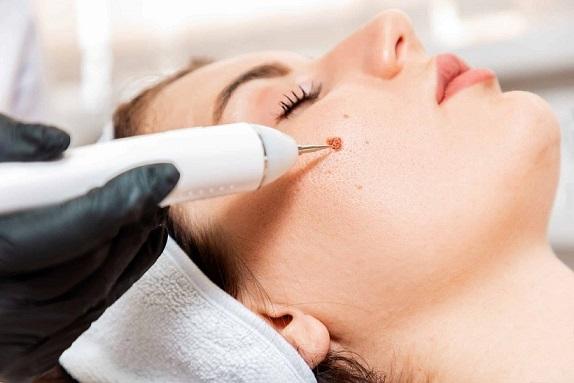
The recovery time after laser mole removal depends on the type of laser used, the size and depth of the treated lesion, the patient’s skin type, and the individual healing response. Some selected benign pigmented lesions treated with laser may develop temporary redness, swelling, crusting, or changes in pigmentation before the skin settles. People considering إزالة الشامات بالليزر في دبي should receive a professional skin assessment before treatment to determine whether laser treatment is appropriate. Laser treatment is generally considered for selected benign lesions, while suspicious moles may require biopsy or surgical removal so the tissue can be examined under a microscope.
How Long Does Laser Mole Removal Take to Heal?
For suitable superficial lesions, the initial recovery may take several days to around two weeks, depending on how the skin responds to the laser. Redness, mild swelling, sensitivity, or a temporary change in colour can occur shortly after treatment.
If the laser creates more surface irritation, a crust or scab may form as the skin heals. Patients should allow this area to recover naturally rather than scratching or removing the crust. The exact healing period can vary considerably depending on the treatment settings and the lesion being treated.
Laser procedures can have different recovery requirements depending on whether they are ablative or non-ablative and how deeply the treatment affects the skin.
What Happens Immediately After Treatment?
Immediately after laser mole treatment, the treated area may appear red or slightly swollen. Some patients experience warmth, tenderness, or sensitivity. These reactions are generally managed with the aftercare instructions provided by the treating professional.
The provider may recommend keeping the area clean and applying a suitable protective or soothing product. If the treatment creates a superficial wound, specific wound-care instructions may be provided.
Patients should avoid rubbing, scratching, picking, or unnecessarily touching the treated area. Disrupting the healing skin can increase irritation and may contribute to scarring or infection.
Can A Scab Form After Laser Mole Removal?
Yes, depending on the laser and treatment depth, a small crust or scab may develop. This is part of the normal healing response when the surface of the skin has been treated.
The scab should be allowed to detach naturally. Picking it off too early can expose healing tissue and increase the risk of infection, delayed healing, or noticeable pigmentation changes.
Once the skin has healed, the treated area may initially look pink, darker, or lighter than the surrounding skin. Pigment changes can gradually improve over time, although some changes may last longer in certain patients. Laser treatment of pigmented lesions can occasionally result in persistent pigment alteration or recurrence.
Is There Any Pain During Recovery?
Mild tenderness, warmth, itching, or sensitivity may occur during the first few days. The level of discomfort depends on the treatment area, laser type, treatment intensity, and individual sensitivity.
Most patients can manage mild discomfort by following the aftercare instructions provided by their healthcare professional. Patients should not apply unapproved creams or home remedies to the treated area because some products can irritate healing skin.
Severe or increasing pain is not something that should simply be ignored. If discomfort becomes significant or is accompanied by spreading redness, discharge, or increasing swelling, medical advice should be obtained.
How Important Is Sun Protection?
Sun protection is an important part of recovery after laser treatment. Recently treated skin can be more vulnerable to ultraviolet exposure, and sunlight may increase the risk of pigmentation changes.
Patients should follow their provider’s advice regarding sunscreen and physical sun protection. Avoiding direct sunlight, using protective clothing, and applying a suitable broad-spectrum sunscreen once the skin can tolerate it can help protect the treated area.
Dermatologists emphasize sun protection after laser procedures because ultraviolet exposure can contribute to pigment changes and other complications during healing.
When Can You Return To Normal Activities?
Many patients can return to normal daily activities relatively quickly after a minor laser procedure. However, activities that cause excessive sweating, friction, heat, or exposure to contaminated water may need to be limited while the skin is healing.
The provider may recommend temporarily avoiding swimming, saunas, intense exercise, or activities that rub against the treated area. The exact restrictions depend on the treatment and location.
Patients should follow individual instructions rather than assuming that every laser mole treatment has the same recovery period.
How Long Do Pigmentation Changes Last?
Temporary darkening or lightening of the skin can occur after laser treatment of pigmented lesions. The duration varies between patients and can depend on skin type, laser settings, the depth of pigment, and sun exposure.
People with darker skin may require particularly careful assessment because laser procedures can carry a greater risk of unwanted pigment changes. Appropriate laser selection and treatment settings are therefore important.
The treated area may continue to improve in appearance after the initial wound has healed. Colour and texture can take longer to return to their usual appearance.
What Can Slow Down Recovery?
Several factors may affect healing after laser mole treatment:
- Deeper or more aggressive laser treatment
- Larger treatment areas
- Sensitive or reactive skin
- Excessive sun exposure
- Picking or scratching the treated area
- Poor wound care
- Smoking
- Certain medications or medical conditions
- Previous abnormal scarring
A professional should review relevant medical conditions and medications before treatment. This helps identify factors that could affect healing or increase the risk of complications.
When Should You Contact A Professional?
Mild redness, sensitivity, or crusting can occur during recovery, but worsening symptoms should be assessed.
Contact the treating professional if you develop:
- Increasing or severe pain
- Significant swelling
- Spreading redness
- Pus or unusual discharge
- Fever
- Persistent bleeding
- Severe blistering
- Significant or worsening pigmentation changes
Prompt assessment can help identify infection, excessive skin injury, or another complication.
Why Is Pre-Treatment Assessment Important?
Not every mole should be treated with a laser. A mole that is changing, itching, bleeding, asymmetrical, or showing unusual borders or colour variation should be examined by a dermatologist. These features can sometimes indicate melanoma or another skin condition requiring further investigation.
When there is concern about melanoma, biopsy or surgical excision may be necessary because microscopic examination of removed tissue is used to establish a diagnosis. Laser treatment may not provide a specimen for this purpose.
Frequently Asked Questions:
How many days does laser mole removal take to heal?
Minor treatments may heal over several days to around two weeks, although pigmentation and redness can take longer to settle.
Can I go outside after laser mole removal?
You can usually go outside when advised by your provider, but the treated area should be protected from direct sunlight during healing.
Is redness normal after laser mole removal?
Mild redness can be a normal short-term response. Increasing redness, pain, swelling, or discharge should be assessed.
Can laser mole removal leave a mark?
Temporary pigmentation changes can occur. Scarring is also possible with laser procedures, although the risk depends on the treatment method, skin type, and individual healing.
Can every mole be removed with a laser?
No. Laser treatment is not appropriate for every mole. Suspicious lesions generally require dermatological assessment and may need biopsy or surgical removal.
Conclusion:
Recovery after laser mole removal can range from several days to around two weeks for initial skin healing, while redness or pigmentation changes may take longer to settle. Gentle aftercare, sun protection, and avoiding picking or irritating the treated area can support recovery. Most importantly, a dermatologist should assess the mole before treatment to determine whether laser treatment is appropriate and whether biopsy or surgical removal is necessary.

 English
 Arabic
 Spanish
 Portuguese
 Deutsch
 Turkish
 Dutch
Dutch
 Italiano
 Russian
 Romaian
 Portuguese (Brazil)
 Greek
Greek