


Can FUE Hair Transplant in Dubai Restore Density Near Scars?
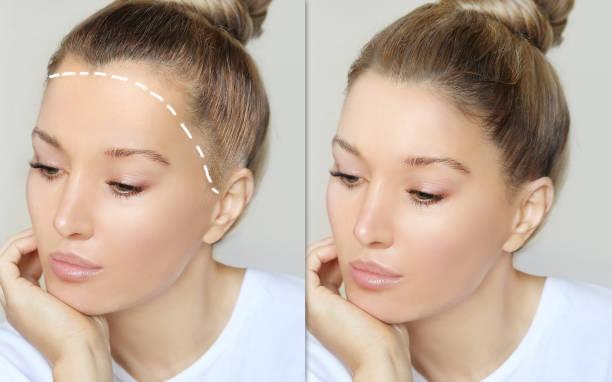
A scar does not always cause complete hair loss across the entire affected region. Sometimes the main concern is reduced density immediately around the scar, where surviving follicles create a visible transition between normal hair and the injured area. In selected cases, FUE Hair Transplant in Dubai can reinforce this surrounding zone by placing grafts strategically among or beside existing native follicles.
The objective is different from simply filling a scar. The surgeon must create continuity between the scarred region and healthy scalp while protecting the follicles that are still functioning around it.
Why Hair Around a Scar Can Look Thin
Scalp trauma or surgery can affect follicles unevenly. Some follicles may survive close to the injury while others become permanently damaged, leaving an irregular density pattern.
Surviving Follicles May Be Miniaturized
Hair near a scar can remain present but become finer or less noticeable. This can make the affected region appear larger than the actual area of permanent follicular loss.
Magnified assessment can help distinguish miniaturized native hairs from completely absent follicles.
The Scar Can Change the Visual Boundary
A scar may be narrow, but reduced density surrounding it can make the defect appear wider. The eye tends to notice the contrast between dense healthy hair and the sparse area beside the scar.
Strategic reinforcement can soften this contrast without necessarily transplanting directly into the scar.
How FUE Can Reinforce Hair Around a Scar
FUE allows individual follicular units to be harvested from a suitable donor region and placed into carefully selected recipient sites.
Targeting the Low-Density Border
Instead of treating the entire area as bald, the surgeon can identify the specific perimeter where density has been reduced.
Grafts can then be distributed through this border to create a gradual transition between native and transplanted hair.
Preserving Existing Follicles
Existing hairs around a scar may still contribute significantly to coverage. Recipient sites therefore need to be positioned carefully so that viable follicles are not unnecessarily damaged.
This makes accurate mapping particularly important when the area still contains scattered native growth.
Why the Scar Border Requires Careful Design
The boundary between healthy scalp and scar tissue can have irregular contours. A straight row of grafts would rarely reproduce this anatomy convincingly.
Following the Natural Hair Pattern
Hair direction can change around an injury. The transplanted follicles should follow the surrounding growth pattern rather than being placed according to a generic scalp angle.
This helps the new hair merge with neighboring strands as it grows.
Avoiding a Sharp Density Change
If transplanted grafts are packed immediately beside dense native hair, the difference can remain visible.
A graduated distribution can create a softer transition, with graft placement adapted to the density already present.
Can FUE Be Used Directly Beside Scar Tissue?
In selected cases, grafts can be placed in healthy tissue immediately adjacent to a scar. The suitability depends on the condition of the recipient skin and the presence of viable tissue.
Healthy Tissue Around the Scar
When the surrounding scalp has normal characteristics, graft placement may be approached more similarly to standard recipient-site work.
The main challenge is integrating the new follicles with the existing hair pattern.
Irregular or Fibrotic Borders
Some scars extend beneath the visible surface or have firmer tissue at their edges. The surgeon may need to assess the border carefully before determining where recipient sites can safely be created.
The visible scar width alone does not establish the full treatment area.
Graft Selection for Scar-Adjacent Restoration
The characteristics of the donor follicles can influence how naturally the restored border blends with surrounding hair.
Single-Hair Units at Visible Edges
Where the restoration approaches a visible hairline or fine transition zone, single-hair follicular units may help create a softer appearance.
Larger follicular groupings can be considered farther behind the transition when additional visual density is appropriate.
Matching Hair Caliber
Hair thickness should be considered alongside existing native hair. A substantial difference between coarse transplanted strands and very fine neighboring hair can make the restoration easier to identify.
Donor selection should therefore account for hair caliber rather than focusing solely on follicle availability.
Mapping the Area Before Implantation
A detailed recipient map helps determine whether the primary problem is scar tissue, reduced density around the scar, or both.
Identifying the Actual Density Deficit
The surgeon should examine the surrounding scalp to determine where native density falls below the patient's normal pattern.
This prevents unnecessary graft placement in areas that already have adequate coverage.
Assessing the Direction of Native Hair
The remaining hair around the scar provides a guide for implantation direction. Following that pattern can improve continuity as the transplanted follicles mature.
The direction may differ on each side of an irregular scar, requiring localized adjustments.
What Causes Density Loss Around Scars?
Understanding the original injury can help explain the current pattern.
Surgical Incisions
Scalp surgery can interrupt follicles along an incision and may also affect nearby hair through tissue tension or local healing changes.
The resulting density pattern depends on the location, size, and characteristics of the surgical site.
Trauma
Cuts, abrasions, burns, and other injuries can produce irregular follicular damage. Hair may survive in some sections while disappearing in others.
This can create a patchy border that requires more detailed mapping than a uniform scar.
Previous Hair Transplant Procedures
Older transplant procedures can leave both visible scars and uneven surrounding density. Additional grafting requires assessment of the existing donor supply and previous extraction pattern.
The new restoration should complement rather than obscure the existing transplant architecture.
When Transplantation Around a Scar May Be Delayed
Timing matters when the tissue or hair pattern has not stabilized.
An Immature Scar
A scar that is still changing in color, thickness, texture, or sensitivity may need additional healing time before transplantation is considered.
The treating clinician should determine when the recipient tissue is sufficiently stable for assessment.
Ongoing Hair Loss
If native hair around the scar is continuing to miniaturize, simply adding grafts may not address the entire future pattern.
The surrounding scalp should therefore be evaluated for broader androgenetic hair loss or another active process.
Donor Planning for Scar-Adjacent Density
Even a small restoration should be considered within the patient's overall donor strategy.
Avoiding Excessive Extraction
The number and location of donor follicles should be planned carefully. Concentrating extraction in one donor region can create an uneven appearance.
The donor area should retain a natural distribution after healing.
Protecting Future Options
Patients with underlying pattern hair loss may require additional restoration later. Using donor follicles for a scar-adjacent area should therefore be balanced against potential future requirements.
A focused treatment today should not unnecessarily restrict later options.
Recovery After FUE Near a Scar
Recovery depends on the size of the treated area and the condition of the surrounding tissue.
Early Recipient Healing
Small crusts, redness, sensitivity, or mild swelling can occur around implanted follicles. The area should be protected from scratching, rubbing, and unnecessary pressure.
Washing and medication should follow the treating clinician's specific postoperative instructions.
Gradual Hair Development
Transplanted hair can shed during the early growth cycle before new growth develops. Visible improvement is gradual rather than immediate.
Scar-adjacent restoration may require patience because the final visual integration depends on both new hair growth and the existing surrounding density.
Dubai Recovery Considerations
Patients undergoing scar-adjacent FUE in Dubai should account for environmental exposure during the early healing period.
Strong Sunlight
Recently treated scalp skin can be sensitive to direct sunlight. Outdoor exposure should be limited and managed according to postoperative guidance.
Heat and Sweating
Dubai's high temperatures can increase sweating during recovery. Strenuous exercise and prolonged outdoor activity should be resumed only according to the treating clinician's instructions.
Air Conditioning
Extended indoor air conditioning can contribute to scalp dryness or discomfort. Patients should maintain the recommended postoperative routine rather than introducing additional scalp products without clinical approval.
How Scar-Adjacent FUE Differs From Direct Scar Grafting
These two situations should not be treated as identical.
Restoration Around Healthy Tissue
When the main density deficit is beside the scar, grafts may be placed primarily in healthy recipient tissue. The surgeon's focus is on blending the restored zone with the surviving native hair.
Restoration Into Scar Tissue
Direct scar grafting requires additional assessment because scar tissue can have different vascular and structural characteristics.
Separating these two treatment scenarios helps establish more realistic expectations before surgery.
What Patients Should Discuss During Consultation
Patients should explain how the scar developed, when it occurred, and how the surrounding hair has changed since the injury.
Bring Previous Treatment Information
Details about previous surgery, trauma, or hair-transplant procedures can help the clinician understand the affected anatomy.
Previous photographs may also provide useful information about the original hair distribution.
Explain the Main Visual Concern
Patients should identify whether the concern is a thin border, visible scalp, uneven density, or the contrast between the scar and surrounding hair.
This allows the restoration plan to target the actual aesthetic problem rather than automatically treating the scar itself.
What Patients in Dubai Should Do Next
Patients concerned about reduced density around a scar should begin with an examination of the scar border and surrounding scalp. The assessment should determine which follicles remain active, where density has genuinely been lost, whether the tissue is suitable for recipient-site creation, and whether broader hair loss is also present.
A suitable plan should then define the restoration boundary, graft characteristics, implantation direction, donor allocation, and recovery requirements. Treating the surrounding density deficit rather than simply covering the visible scar can produce a more anatomically integrated approach.
For patients exploring hair restoration and aesthetic care, a personalized scalp assessment can determine whether scar-adjacent FUE is appropriate for the specific pattern.
The Strategic Investment
Restoring density near a scar is primarily a transition-management problem. The aim is to connect surviving native hair with the affected region through appropriate graft selection, directional placement, controlled density, and preservation of the surrounding follicles.
For patients considering scar-adjacent hair restoration in Dubai, Tajmeels Clinic can evaluate the scar border, recipient tissue, existing native hair, and donor supply before developing an individualized FUE treatment plan.

 English
 Arabic
 French
 Spanish
 Deutsch
 Turkish
 Dutch
Dutch
 Italiano
 Russian
 Romaian
 Portuguese (Brazil)
 Greek
Greek