


How Students Can Prepare for Careers Before Graduation
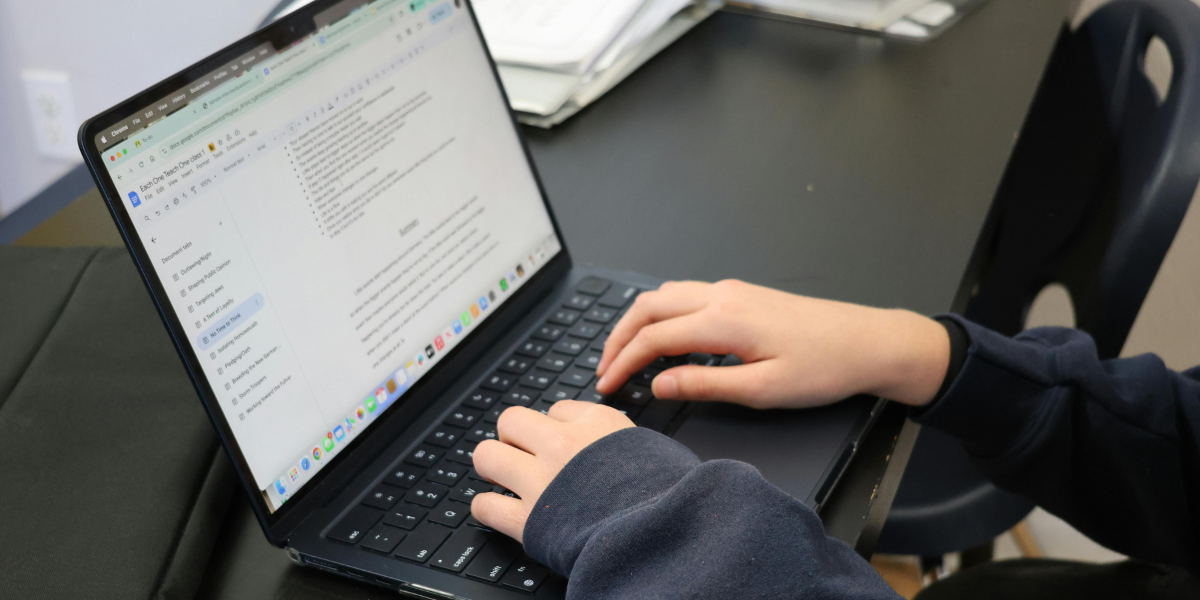
Graduation is often seen as the point where a student begins thinking seriously about a career, but preparation can start much earlier. Students who gradually develop useful skills, explore different career options, and gain practical experience can enter the professional world with a clearer understanding of what they want to pursue.
Career preparation does not mean choosing a permanent career at a young age. Instead, it is about developing skills and gaining experiences that help students understand their strengths, interests, and possible opportunities.
Understand Your Interests
The first step is to identify subjects and activities that genuinely interest you. A student who enjoys solving problems may explore technology, engineering, analytics, or research, while someone interested in communication may consider writing, marketing, teaching, or media.
Interests can change over time, so students should remain open to exploring different areas rather than feeling pressured to make one final decision immediately.
Develop Skills Alongside Academic Knowledge
Academic qualifications are important, but employers also look for practical skills. Communication, teamwork, problem-solving, time management, digital literacy, and adaptability can be useful across many professions.
Students can begin developing these abilities through group projects, presentations, volunteering, competitions, online learning, or personal projects.
Gain Practical Experience
Practical experience can help students understand how their classroom knowledge applies outside an academic environment. Internships are one option, but they are not the only way to gain experience.
Students can work on personal projects, participate in student organizations, contribute to community activities, or create small projects related to their interests. These experiences can also give students examples to discuss when applying for internships or entry-level positions.
Follow Changes in Education and Careers
Education and employment opportunities continue to change as technology, industries, and workplace expectations evolve. Students can follow reliable sources covering education news today to stay aware of developments in learning, academic opportunities, skills, and career preparation.
Staying informed is most useful when students connect new information with their own goals. Instead of following every trend, they can focus on developments that relate to their subjects, qualifications, and areas of interest.
Build a Professional Online Presence
Students can also begin developing a professional online presence before graduation. A simple profile highlighting education, skills, projects, certifications, and relevant interests can make it easier to present their experience when applying for opportunities.
The information should be accurate and professional. Students should also review privacy settings and avoid sharing personal information unnecessarily.
Learn From People With Experience
Speaking with teachers, mentors, professionals, or older students can provide perspectives that are difficult to gain from textbooks alone. Conversations about education pathways, workplace expectations, and career experiences can help students understand what different professions are actually like.
Students should ask specific questions and compare advice from multiple sources rather than relying on a single person's experience.
Keep Learning After Graduation
Career preparation should not stop once a student receives a degree or diploma. Industries change, new technologies appear, and job requirements evolve. Continuing to learn can therefore become an important part of professional development.
Short courses, certifications, workshops, books, professional communities, and practical projects can all provide opportunities to build new knowledge.
Conclusion
Preparing for a career before graduation is less about having every decision figured out and more about developing useful skills and exploring possibilities. Students can start by understanding their interests, gaining practical experience, improving communication and digital skills, and staying informed about changes in education and employment.
A gradual approach gives students time to learn from experience and make more informed choices as they move from education into professional life.

 Arabic
 French
 Spanish
 Portuguese
 Deutsch
 Turkish
 Dutch
Dutch
 Italiano
 Russian
 Romaian
 Portuguese (Brazil)
 Greek
Greek