


Male Pattern Hair Loss: Causes, Symptoms, and Treatment Guide

Male pattern hair loss is one of the most common causes of hair thinning in men. It usually develops gradually and may begin with a receding hairline, thinning around the temples, or a bald spot on the crown. The medical term for this condition is androgenetic alopecia. Genetics and hormones both play an important role in its development.
Understanding the early signs can help men identify changes in their hair and discuss suitable treatment options with a healthcare professional. A consistent hair care for men routine can also help maintain the condition of the scalp and remaining hair.
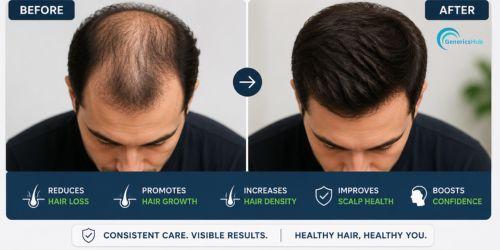
What Is Male Pattern Hair Loss?
Male pattern hair loss occurs when genetically sensitive hair follicles gradually become smaller. Over time, these follicles may produce thinner and shorter hairs. In many men, the process is linked to the hormone dihydrotestosterone (DHT).
Hair loss can begin in the late teens or twenties, although it becomes more common with age. It often follows a recognizable pattern, beginning around the temples or hairline and later affecting the crown or top of the scalp.
Because hair loss can have several causes, not every case of thinning hair is male pattern hair loss. A healthcare professional can help determine the underlying cause.
Common Causes of Male Pattern Hair Loss
Genetics
Family history is one of the major factors associated with male pattern hair loss. If close family members have experienced androgenetic alopecia, you may have a greater chance of developing it.
Hormonal Changes
DHT is produced when testosterone is converted by an enzyme called 5-alpha reductase. In genetically susceptible follicles, DHT can contribute to follicle miniaturization and progressive thinning.
Age
Hair growth naturally changes as people age. Some follicles gradually become less active, which can contribute to thinner hair.
Other Causes of Hair Loss
Not all hair loss is genetic. Stress, illness, nutritional deficiencies, significant weight loss, certain medicines, and other medical conditions can also cause temporary or persistent hair shedding.
If hair loss develops suddenly, occurs in patches, or comes with scalp irritation or other symptoms, it is important to seek medical advice rather than assuming it is male pattern hair loss.
Symptoms of Male Pattern Hair Loss
Male pattern hair loss usually develops slowly. Common signs include:
- A receding hairline
- Thinning around the temples
- A widening area of thinning on the crown
- Gradual reduction in hair density
- Thinner individual hair strands
- Increasing scalp visibility
- A progressively larger bald area
Early changes can be easy to overlook. Taking occasional photographs of the hairline and crown under similar lighting can help you notice gradual changes.
How to Have Healthier Hair
If you are wondering how to have healthier hair, start with basic scalp and hair-care habits. These habits cannot reverse genetic hair loss on their own, but they can help protect the hair and scalp.
Follow a Gentle Hair-Care Routine
Use a shampoo that suits your scalp and avoid excessive scratching or aggressive brushing. Handle wet hair gently because it can be more vulnerable to breakage.
Maintain a Balanced Diet
Hair growth depends on adequate nutrition. Include sufficient protein, iron, zinc, vitamins, and other nutrients through a balanced diet. Avoid taking high-dose supplements unless a healthcare professional recommends them, because excessive amounts of some nutrients can be harmful.
Protect Your Scalp
Limit unnecessary exposure to harsh chemical treatments and excessive heat. Keeping the scalp clean can also support overall scalp health.
Manage Stress
Long periods of significant stress can contribute to certain forms of hair shedding. Regular sleep, physical activity, relaxation techniques, and a balanced routine may support overall wellbeing.
Finasteride and Minoxidil for Male Pattern Hair Loss
Two commonly used medical treatments for male pattern hair loss are finasteride and minoxidil. They work differently and may be used separately or, when appropriate, as part of a treatment plan recommended by a healthcare professional.
Finasteride
Finasteride is a prescription medicine used for male pattern hair loss. It works by reducing the conversion of testosterone into DHT, which can help slow hair loss in men with androgenetic alopecia.
Finasteride is generally taken once daily when prescribed for hair loss. Results take time, and continued treatment is usually needed to maintain the benefits.
Finrest 5mg contains finasteride and should only be used according to appropriate medical advice. The 5 mg strength is commonly associated with finasteride treatment for enlarged prostate, while the usual finasteride dose specifically used for male pattern hair loss is 1 mg daily. Therefore, men should not select a finasteride strength based only on the product name or assume that a higher strength is better for hair loss.
For product information, users can review Finrest 5mg on Genericshub.
Healpecia 1 mg
Healpecia 1 mg is another finasteride product that may be relevant when discussing the 1 mg strength commonly used for male pattern hair loss. Men considering finasteride should discuss their medical history, current medicines, and potential side effects with a qualified healthcare professional.
You can find product information for Healpecia 1 mg on Genericshub.
Finasteride can cause side effects in some men, including sexual side effects. Mood-related effects have also been reported. Anyone experiencing concerning symptoms should speak with a healthcare professional.
Minoxidil
Minoxidil is another treatment option for pattern hair loss. Topical minoxidil is applied directly to the scalp and may help reduce hair loss and stimulate hair growth in some people.
Results usually take several months, and continued use is generally needed to maintain the benefits.
Minoxidil can cause scalp irritation or other side effects. Oral minoxidil is a different form of treatment and should not be started for hair loss without appropriate medical guidance because it is a systemic medicine.
Minwin 10mg contains oral minoxidil. Because oral minoxidil can affect the cardiovascular system and blood pressure, it should be used only under appropriate medical supervision and according to the prescribed indication and dose.
For more information, see Minwin 10mg.
Finasteride vs. Minoxidil: How Are They Different?
Finasteride and minoxidil approach hair loss differently.
|
Treatment |
Main role |
Typical form |
Important consideration |
|
Finasteride |
Reduces DHT production |
Oral tablet |
Prescription treatment with potential side effects |
|
Minoxidil |
Supports hair growth and reduces hair loss |
Usually topical; oral forms also exist |
Continued use is generally needed |
The appropriate treatment depends on the cause of hair loss, age, medical history, other medicines, and individual circumstances. A dermatologist or other qualified healthcare professional can help determine which option is suitable.
When Should You See a Doctor?
Consider speaking with a healthcare professional if:
- Hair loss develops suddenly
- You notice round or patchy areas of hair loss
- Your scalp becomes painful, itchy, inflamed, or scaly
- You experience unusually heavy shedding
- Hair loss occurs with other unexplained symptoms
- You are unsure whether your hair loss is genetic
- You are considering prescription treatment
Finding the cause is an important first step because different types of hair loss require different approaches.
Genericshub Haircare and Hair-Loss Information
For people researching hair loss treatments, Genericshub Haircare can be used as a source for product information and related educational content. Product pages should be reviewed carefully, and prescription medicines should be used only according to appropriate healthcare guidance.
Hair loss treatment is not one-size-fits-all. Understanding the cause, recognizing early changes, and discussing treatment options with a qualified professional can help you make informed decisions about your hair and scalp health.
Frequently Asked Questions
Is male pattern hair loss permanent?
Male pattern hair loss is generally a progressive form of hereditary hair loss. Without treatment, it may continue over time. Some treatments can slow progression or promote regrowth in suitable patients.
Can finasteride and minoxidil be used together?
A healthcare professional may recommend using finasteride and minoxidil together for some men. They work through different mechanisms, but treatment should be individualized.
How long does finasteride take to work for hair loss?
Some men may notice improvement after several months. NHS guidance notes that improvement for hair loss may take around 3 to 6 months, while the American Academy of Dermatology notes that noticeable results may take longer.
Does minoxidil permanently cure hair loss?
No. Minoxidil can help maintain or improve hair growth while it is being used, but stopping treatment can result in the loss of its benefits.
What is the best hair care for men with thinning hair?
A gentle routine, balanced nutrition, scalp care, and early evaluation of persistent hair loss can help. If thinning is caused by male pattern hair loss, medical treatment may also be appropriate.
Can lifestyle changes stop male pattern hair loss?
Healthy habits can support overall hair and scalp health, but they cannot necessarily stop genetically driven male pattern hair loss. If thinning continues, consider discussing the cause and treatment options with a healthcare professional.

 English
 Arabic
 French
 Spanish
 Deutsch
 Turkish
 Dutch
Dutch
 Italiano
 Russian
 Romaian
 Portuguese (Brazil)
 Greek
Greek