


Dabba Trading App: Meaning, Risks, Legality and How It Works
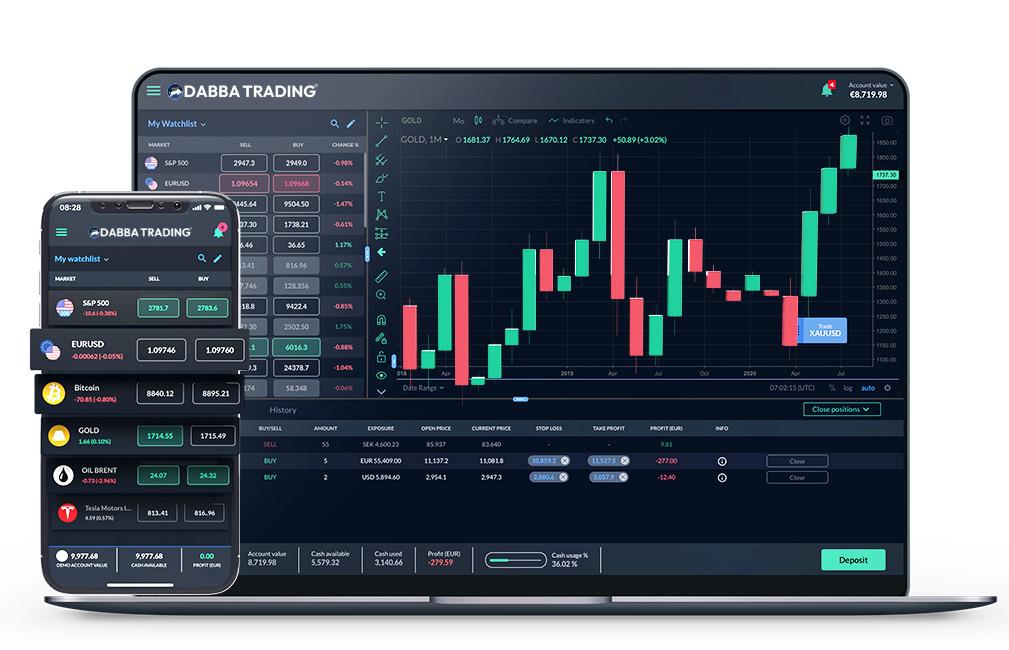
The growing use of smartphones has changed the way people access financial markets. Alongside legitimate stock trading platforms, searches for terms such as Dabba Trading App, online dabba trading, and dabba trading software have also increased.
However, users should understand an important distinction: a Dabba Trading App is not the same as a regulated stock trading application offered by a SEBI-registered intermediary.
Dabba trading involves securities transactions that are kept outside the recognised stock exchange system. SEBI describes dabba trading as an illegal and unregulated form of securities trading where transactions are not actually executed on a SEBI-recognised stock exchange.
This article explains what a Dabba Trading App means, how such systems generally operate, the risks involved, and how investors can distinguish regulated trading platforms from unauthorised services.
What Is a Dabba Trading App?
A Dabba Trading App generally refers to an application or online platform associated with off-exchange trading.
In a normal stock market transaction, an investor places an order through a registered broker. The trade is routed through a recognised stock exchange and becomes part of the regulated market infrastructure.
Dabba trading works differently.
The transaction may appear to follow live stock or derivatives prices, but the actual buy or sell order is not executed through the recognised exchange system. Instead, the transaction is recorded internally by the operator.
SEBI explains that these transactions are settled by the dabba operator and remain outside the supervision of recognised exchanges and regulatory bodies.
Therefore, an app having stock prices, charts, trading buttons, or an account balance does not automatically mean that it is a regulated stock trading application.
What Does Dabba Trading Mean?
Dabba trading is essentially off-exchange securities trading conducted through unauthorised entities.
The National Stock Exchange describes transactions conducted outside the stock exchange mechanism by unregistered entities or persons as dabba trading. NSE further states that organising, assisting in organising, or participating in such trading is illegal and prohibited by law.
The word "dabba" traditionally referred to an operator maintaining private records or books instead of sending transactions to an official exchange.
Technology has changed the format.
Today, an unauthorised system might use:
-
Mobile applications
-
Websites
-
Messaging groups
-
Private trading dashboards
-
Social media channels
-
Web-based account panels
The underlying issue remains the same: the transaction does not pass through the recognised stock exchange framework.
How Does a Dabba Trading App Generally Work?
A Dabba Trading App can visually resemble an ordinary financial trading platform.
Users may see market prices, charts, profit-and-loss figures, available balances, or order options.
However, the displayed transaction may simply be an internal record created by the operator.
For example, an app could use publicly available market prices as a reference while internally calculating whether a user has made a theoretical profit or loss.
The securities themselves may never be bought or sold through the official exchange.
This distinction is critical because regulated exchange-based transactions come with established market infrastructure, clearing processes, broker obligations, records, and investor-protection mechanisms.
Dabba transactions sit outside those protections.
Is Dabba Trading Legal in India?
No. Dabba trading is illegal in India.
SEBI explicitly warns investors that dabba trading is illegal and advises them not to participate in it.
NSE also states that organising, assisting with, or participating in dabba trading is illegal, prohibited by law, and punishable.
This applies regardless of whether the activity is offered through an offline operator, website, mobile application, Telegram group, or another digital system.
SEBI has continued taking notice of promotions involving illegal dabba trading. For example, in July 2025 the regulator issued a press release concerning a newspaper advertisement that promoted illegal dabba trading activities.
Investors should therefore avoid assuming that a service is legitimate simply because it advertises openly or has a professional-looking digital platform.
Dabba Trading App vs Registered Trading App
A regulated stock trading application connects investors with India's recognised securities-market infrastructure through registered intermediaries.
A Dabba Trading App operates outside that framework.
Registered Trading Platform
A regulated platform typically involves:
SEBI-registered intermediaries, recognised exchanges, formal trade records, defined settlement systems, regulatory oversight, and access to established complaint or dispute-resolution channels.
Dabba Trading Platform
An unauthorised platform may use market prices as references while maintaining trades privately.
The operator may determine balances, settlements, withdrawals, or disputes internally.
Most importantly, investors do not receive the same protections available when transactions are executed through recognised exchanges.
NSE states that dealings involving dabba trading are not eligible for compensation, claims, or support from the exchange.
Why Are Dabba Trading Apps Risky?
The biggest problem is not simply market volatility.
The investor also takes substantial operator risk.
Because the platform is outside the recognised exchange system, users may depend entirely on the operator to maintain accurate records and honour withdrawals.
No Exchange-Level Investor Protection
SEBI states that because dabba trades are not executed on official stock exchange platforms, investors cannot use the grievance-redressal mechanisms of stock exchanges for those transactions.
NSE similarly warns that prohibited schemes may fall outside exchange investor-protection, dispute-resolution, and grievance-redressal mechanisms.
Counterparty Risk
A user may see a profitable balance inside an application, but that does not necessarily mean the operator has corresponding securities, funds, or settlement arrangements.
If an operator disappears, refuses payment, or manipulates records, recovering funds may become extremely difficult.
Fake or Manipulated Balances
Because the operator may control the internal trading interface, displayed profits or losses could potentially be manipulated.
A professional-looking application is therefore not evidence that trades are actually reaching a recognised exchange.
Assured Return Scams
Users should be especially cautious when trading platforms promise guaranteed or unusually high returns.
NSE investor material identifies guaranteed-return claims as a major warning sign and specifically cautions investors against dabba trading.
Limited Legal Recourse
A dispute involving an unauthorised operator is fundamentally different from a complaint involving a regulated broker.
Normal exchange-level mechanisms may not apply to the transaction.
Why Do People Search for Dabba Trading Apps?
People may encounter the term through social media advertisements, private trading communities, online searches, messaging applications, or recommendations from acquaintances.
Some unauthorised operators may promote features such as simplified account opening, high leverage, reduced charges, quick settlements, or attractive returns.
These features can appear appealing, particularly to inexperienced traders.
However, lower apparent costs do not compensate for the loss of regulatory protection.
SEBI explicitly advises investors not to engage in dabba trading even if it appears to reduce trading costs.
How to Identify a Potentially Unauthorised Trading App
Investors should examine any trading platform carefully before transferring money.
Warning signs can include requests to transfer funds to unrelated personal accounts, guaranteed-profit claims, lack of verifiable registration details, unofficial download links, pressure to deposit quickly, account access provided entirely through messaging apps, or difficulty confirming the broker's regulatory identity.
One of the strongest precautions is to verify whether the intermediary is properly registered before trading.
NSE specifically advises investors to deal only with SEBI-registered intermediaries.
Can a Professional-Looking Trading App Still Be Fake?
Yes.
Modern application development makes it relatively easy to build interfaces that resemble legitimate trading software.
A platform can display:
-
Live-looking market charts
-
Stock prices
-
Order books
-
Wallet balances
-
Profit calculations
-
Deposit screens
-
Withdrawal options
None of those features independently prove that an actual transaction has occurred on a recognised stock exchange.
The key question is whether the trade is being executed through a legitimate registered intermediary and recognised market infrastructure.
Dabba Trading Apps and Social Media
Unauthorised trading services increasingly use digital channels to attract users.
NSE advisories have specifically warned investors about schemes promoted through social media and online channels, including services claiming to provide dabba or illegal trading facilities.
Users should therefore be particularly careful with links received through Telegram, WhatsApp, Instagram, YouTube, or unsolicited messages.
A social media following or polished advertising campaign is not proof of regulatory approval.
What Should Investors Use Instead?
People interested in securities trading should use regulated financial intermediaries and recognised exchange mechanisms.
Before opening an account, investors should verify the intermediary's registration details and understand the risks associated with the products they plan to trade.
This is especially important for derivatives.
NSE advises investors to trade derivatives cautiously and only after understanding the risks involved.
Regulated trading does not eliminate the possibility of financial loss, but it provides a defined regulatory framework, transparent market infrastructure, and investor-protection mechanisms that are absent from dabba trading.
Is Dabba Trading the Same as Paper Trading?
Paper trading or simulated trading generally means practising investment or trading strategies without placing real-money transactions.
Dabba trading is different because real money may be exchanged between the customer and an unauthorised operator while the corresponding securities trade remains outside the recognised exchange.
Users should also be careful with virtual trading or gaming platforms involving securities data. SEBI has separately issued an advisory regarding unauthorised virtual trading and gaming platforms.
Is Dabba Trading the Same as Online Stock Trading?
No.
Online stock trading through a registered broker routes eligible trades through regulated market infrastructure.
Dabba trading merely uses stock-market prices or securities as the basis for private off-exchange transactions.
Therefore, the fact that a transaction happens through the internet or an app does not determine whether it is legitimate.
The regulatory structure behind the transaction is what matters.
How Can Investors Stay Safe?
Before transferring money to any trading platform, verify who operates it and whether the intermediary is properly registered.
Avoid platforms promising guaranteed returns, unusually high profits, secret strategies, or effortless income.
Do not share trading passwords or sensitive credentials with strangers.
SEBI also advises investors not to deal with unregistered intermediaries and not to rely on unsolicited investment tips.
Most importantly, do not assume that an application is legitimate simply because it appears in search results, has an APK file, has positive testimonials, or provides a functional trading dashboard.
Read More Article:-
Frequently Asked Questions About Dabba Trading Apps
What is a Dabba Trading App?
A Dabba Trading App generally refers to an application used for securities-related transactions that take place outside recognised stock exchanges and regulated intermediary systems.
Is a Dabba Trading App legal in India?
No. SEBI identifies dabba trading as illegal and unregulated, while NSE states that organising, assisting with, or participating in such trading is prohibited by law.
Are trades on a Dabba Trading App executed on NSE or BSE?
In dabba trading, the transaction is generally not executed through the recognised exchange mechanism. It may instead be recorded and settled privately by the operator.
Can I recover money if a Dabba Trading App refuses withdrawal?
Normal stock-exchange investor-protection and grievance mechanisms may not be available for prohibited off-exchange transactions.
Is Dabba Trading App download safe?
Users should be extremely cautious with any application advertised specifically for dabba trading. The underlying trading activity itself is illegal in India, and downloading software from unknown sources can introduce additional financial, privacy, and cybersecurity risks.
Is dabba trading different from normal trading?
Yes. Normal securities trading through registered intermediaries uses recognised stock exchanges and regulated settlement infrastructure. Dabba trading operates outside that system.
Why are Dabba Trading Apps dangerous?
They combine normal trading risk with additional risks such as operator default, manipulated records, withdrawal problems, lack of exchange protections, and possible fraud.
Does SEBI regulate Dabba Trading Apps?
No. Dabba trading itself exists outside the regulated exchange system. SEBI advises investors to avoid dabba trading and use registered intermediaries.
Conclusion
The term Dabba Trading App may sound like another form of mobile stock trading, but the underlying system is fundamentally different from trading through a regulated broker.
Dabba transactions take place outside recognised stock exchanges and are not protected by the normal safeguards available within India's regulated securities market.
SEBI and NSE both warn investors against participating in dabba trading. Investors searching for trading applications should therefore verify the regulatory status of the intermediary, avoid guaranteed-return schemes, and use legitimate exchange-connected platforms rather than unauthorised alternatives.

 English
 Arabic
 French
 Spanish
 Portuguese
 Deutsch
 Dutch
Dutch
 Italiano
 Russian
 Romaian
 Portuguese (Brazil)
 Greek
Greek