


Wound Dressing at Home for Post-Surgical Patients
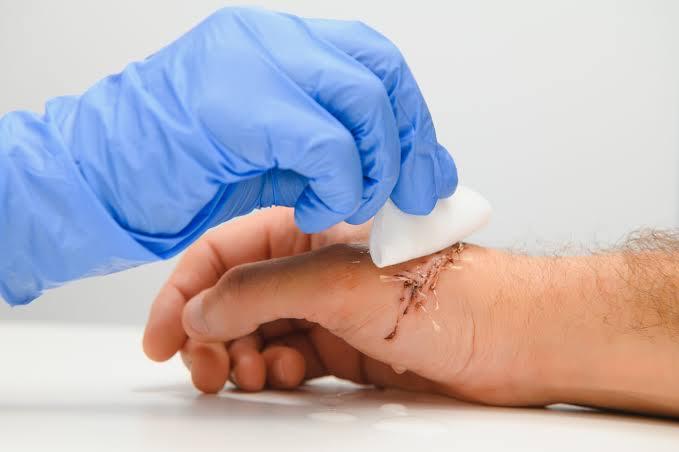
Recovering from surgery requires careful attention to the incision site to support proper healing and reduce the risk of complications. Wound Dressing at Home in Dubai provides a convenient option for post-surgical patients who need regular dressing changes without making frequent trips to a clinic. With support from trained healthcare professionals or a Doctor at Home, patients can receive wound assessment, cleaning, dressing replacement, and guidance in the comfort of their own surroundings. Proper wound care after surgery is important because the surgical site may remain vulnerable to infection, irritation, bleeding, and other complications during the recovery period.
Why Post-Surgical Wound Dressing Is Important:
After surgery, the incision needs appropriate protection while the body repairs damaged tissue. A surgical dressing can help protect the wound from dirt, bacteria, friction, and accidental contact. Regular dressing changes also provide an opportunity to check whether the incision is healing as expected. The frequency of dressing changes depends on the type of surgery, wound condition, drainage, and instructions provided by the surgical team. Patients should not change the dressing more frequently than recommended unless it becomes wet, dirty, loose, or otherwise requires attention according to their healthcare instructions.
Protecting the Surgical Incision:
A fresh surgical incision can be sensitive and vulnerable to irritation, especially during the early stages of recovery. A suitable dressing provides a protective barrier while helping prevent unnecessary rubbing against clothing or bedding. Healthcare professionals can select and apply dressing materials based on the surgical wound and the patient's specific care plan. Proper application is important because a dressing that is too tight may cause discomfort, while one that is too loose may fail to protect the incision adequately. Careful dressing placement can therefore contribute to a more comfortable and organized recovery process.
Maintaining Proper Wound Hygiene:
Cleanliness is an essential part of post-surgical wound management. During a professional dressing change, appropriate hygiene practices are followed before the old dressing is removed, the wound is assessed, and a new dressing is applied. Patients and family caregivers should avoid touching the incision unnecessarily or applying creams, powders, oils, or other substances unless specifically recommended by a healthcare professional. Maintaining appropriate hygiene can help reduce exposure to contaminants and supports the overall wound-care plan during recovery.
Monitoring for Signs of Infection:
One of the key benefits of regular dressing changes is the opportunity to monitor the surgical wound for possible complications. Infection can interfere with healing and may require additional medical treatment. Patients should pay attention to changes around the incision and report concerning symptoms promptly. Potential warning signs can include:
- Increasing redness around the incision
- New or worsening swelling
- Increasing pain or tenderness
- Pus-like or unusual drainage
- Foul or unusual odor
- Increasing warmth around the wound
- Fever or chills
- Separation of the incision edges
These symptoms do not always mean an infection is present, but they should be discussed with an appropriate healthcare professional.
Managing Wound Drainage After Surgery:
Some drainage may occur after certain surgical procedures, particularly during the early stages of recovery. The amount, color, and consistency of drainage can provide useful information about how the wound is progressing. A suitable dressing can help absorb or manage expected drainage while protecting the surrounding skin. If a dressing becomes soaked, excessively wet, or contaminated, patients should follow their healthcare provider's instructions about when and how to replace it. Sudden increases in drainage or significant changes in its appearance should be reported to the surgical care team.
Benefits of Wound Dressing at Home:
Home-based wound care can be particularly convenient for patients who experience discomfort, reduced mobility, fatigue, or difficulty traveling after surgery. Instead of arranging transportation and spending time in a waiting room, patients can receive professional dressing support in their own environment. This can make it easier to maintain the recommended care schedule during recovery. Home care may also be useful for elderly patients, individuals recovering from major procedures, and those who require assistance with routine activities while their mobility gradually improves.
Preparing the Home for Wound Care:
A clean and comfortable environment can make dressing changes easier and more organized. Patients can prepare a suitable area before the healthcare professional arrives. The space should provide adequate lighting and enough room for the necessary supplies and equipment. Pets, unnecessary household items, and other potential sources of contamination should be kept away from the treatment area. Patients can also keep their wound-care instructions and relevant medical information available so the healthcare professional can review them when necessary.
Supporting Recovery Between Dressing Changes:
Professional dressing changes are only one part of post-surgical wound care. Patients also need to follow their healthcare provider's instructions between visits. Protecting the incision from unnecessary pressure, avoiding strenuous activities when restricted, and maintaining prescribed medications can support the broader recovery plan. Patients should also avoid removing or adjusting a dressing simply because it feels uncomfortable unless they have been instructed to do so. General recovery habits can include:
- Following post-surgical instructions carefully
- Keeping the wound protected
- Taking prescribed medications as directed
- Maintaining adequate hydration
- Eating a balanced diet
- Avoiding activities restricted by the surgical team
- Keeping scheduled follow-up appointments
- Reporting unexpected wound changes promptly
Choosing Appropriate Dressing Materials:
Not every surgical wound requires the same type of dressing. Healthcare professionals may consider the incision's location, size, drainage, stage of healing, and surrounding skin when determining the appropriate dressing. Some wounds may require simple protective coverings, while others may need specialized materials. Using the wrong product or changing dressing materials without professional guidance may irritate the wound or interfere with the intended care plan. Professional assessment helps ensure that dressing choices remain appropriate as the incision changes during recovery.
Wound Dressing for Patients With Limited Mobility:
Post-surgical patients with limited mobility may find regular clinic visits especially challenging. Getting in and out of vehicles, walking through medical facilities, or sitting for extended periods can cause discomfort depending on the procedure performed. Wound Dressing at Home in Dubai can provide an alternative for patients who have been advised to receive wound care at home. Professional care can also help family members who may not feel confident performing dressing changes themselves. This approach allows the patient's wound to be monitored while reducing some of the practical challenges associated with traveling during recovery.
When to Contact a Healthcare Professional:
Patients should follow their surgical team's instructions about when to seek medical attention. Some wound changes may require prompt evaluation rather than waiting for the next scheduled dressing visit. Severe or rapidly increasing pain, significant bleeding, wound separation, fever, breathing difficulties, or other serious symptoms should receive appropriate medical attention. Patients should never rely solely on home dressing care when they experience symptoms that may indicate a significant complication. Early communication with the surgical or healthcare team can help determine whether additional assessment or treatment is necessary.
Maintaining a Post-Surgical Wound Care Schedule:
A consistent wound-care schedule can help patients stay organized throughout recovery. Keeping track of dressing changes, wound observations, medications, and follow-up appointments can make it easier to identify changes and communicate them to healthcare professionals. Family members can assist with reminders and preparation when necessary. The schedule should always be based on the patient's individual medical instructions rather than a general timetable because different surgeries and wounds heal at different rates.
Final Thoughts:
Post-surgical wound dressing is an important part of protecting an incision and supporting a smooth recovery process. Regular dressing changes can help maintain wound hygiene, manage drainage, protect delicate tissue, and provide opportunities to monitor healing. Wound Dressing at Home in Dubai can be a practical option for patients who need professional wound-care support while recovering in a familiar environment. By following the surgical team's instructions, maintaining appropriate hygiene, monitoring for concerning changes, and attending recommended follow-ups, patients can take an active role in their recovery while receiving professional support when needed.

 English
 Arabic
 French
 Spanish
 Portuguese
 Deutsch
 Dutch
Dutch
 Italiano
 Russian
 Romaian
 Portuguese (Brazil)
 Greek
Greek