


Penile Implant in Pakistan
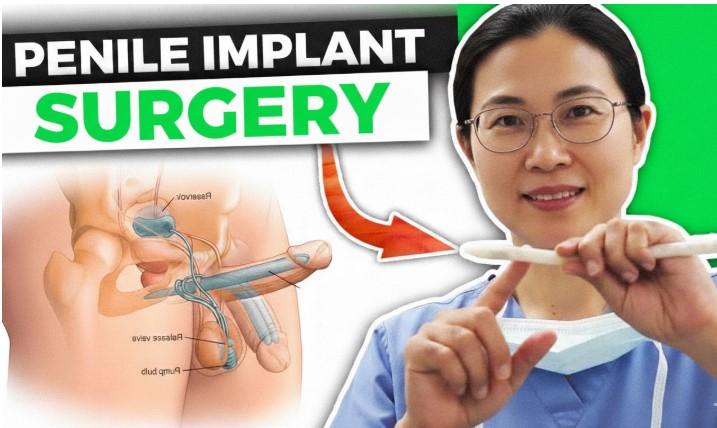
A penile implant, also known as a penile prosthesis, is a medical device surgically placed inside the penis to help men with erectile dysfunction (ED) achieve an erection firm enough for sexual intercourse. It is generally considered when other erectile dysfunction treatments, such as oral medications, injections, or vacuum erection devices, have not provided satisfactory results.
For men experiencing persistent erectile dysfunction, penile implant surgery can offer a long-term and predictable way to achieve an erection. Unlike medications, which need to be taken before sexual activity, an implant is already inside the body and can be activated when an erection is desired, depending on the type of device.
This comprehensive guide explains what a penile implant is, how it works, different types of penile implants, the implant procedure, recovery, benefits, risks, success, cost, and frequently asked questions.
What Is a Penile Implant?
A penile implant is a surgically implanted medical device used primarily to treat erectile dysfunction.
During the procedure, a urologist places prosthetic components inside the penis. Depending on the type of implant, the system may include inflatable cylinders, a pump, and a fluid reservoir.
The implant allows a man to achieve penile rigidity mechanically rather than relying entirely on the body's natural erectile response.
Penile implants are most often considered for men who:
- Have long-term erectile dysfunction
- Do not respond adequately to ED medications
- Cannot tolerate certain ED medications
- Do not achieve satisfactory results from injections
- Have difficulty using vacuum erection devices
- Have erectile dysfunction associated with Peyronie's disease
- Want a more predictable solution for erectile dysfunction
A penile implant does not increase sexual desire or testosterone levels. Its primary purpose is to provide sufficient penile rigidity for sexual activity.
How Does a Penile Implant Work?
The way a penile implant works depends on the type of prosthesis.
An inflatable penile implant uses a hydraulic system. When the man wants an erection, he squeezes a small pump located inside the scrotum. Fluid moves into cylinders positioned inside the penis, causing them to expand and create rigidity.
After sexual activity, a release mechanism allows the fluid to return to the reservoir, allowing the penis to become soft again.
A malleable penile implant, on the other hand, uses bendable rods. The penis remains relatively firm, but the rods can be manually positioned upward for intercourse or downward when an erection is not required.
Types of Penile Implants
There are two primary types of penile prostheses:
1. Inflatable Penile Implant
An inflatable penile implant is the most commonly discussed type of penile prosthesis.
It typically consists of:
- Two inflatable cylinders
- A fluid reservoir
- A small pump
The cylinders are placed inside the erectile chambers of the penis. The pump is positioned in the scrotum, while the reservoir is generally placed in the lower abdomen or pelvic area.
How an Inflatable Implant Works
When the man wants an erection, he manually activates the pump.
The process is approximately:
Pump activated → Fluid moves into cylinders → Penis becomes firm → Sexual intercourse
After intercourse:
Release mechanism activated → Fluid returns to reservoir → Penis becomes soft
One major advantage of an inflatable system is that the erection can be created and released when desired.
2. Malleable Penile Implant
A malleable or semirigid penile implant consists of two bendable rods inserted into the erectile chambers.
There is no pump and no fluid reservoir.
The penis remains relatively firm but can be positioned manually.
Advantages of Malleable Implants
Malleable implants may be attractive to some patients because:
- They have fewer mechanical components.
- There is no pump to operate.
- There is no fluid reservoir.
- The system is relatively simple to use.
- There are fewer components that can mechanically malfunction.
The main limitation is that the penis remains firm to some degree, which can make concealment more difficult than with an inflatable implant.
Inflatable vs. Malleable Penile Implant
| Feature | Inflatable Implant | Malleable Implant |
|---|---|---|
| Pump | Yes | No |
| Reservoir | Yes | No |
| Erection control | Yes | Manual positioning |
| Flaccid state | More natural | Relatively firm |
| Mechanical components | More | Fewer |
| Operation | Pump-based | Manual |
| Concealment | Generally easier | May be more difficult |
The appropriate implant depends on the patient's anatomy, medical condition, lifestyle, expectations and ability to operate the device.
Who Can Benefit From a Penile Implant?
Penile implant surgery is generally considered for men with persistent erectile dysfunction when other treatments have not worked adequately or are not suitable.
A urologist may consider an implant when a patient has:
Erectile Dysfunction That Does Not Respond to Medication
Some men do not achieve adequate erections even after using commonly prescribed ED medications.
Medication Intolerance
Certain men cannot take some ED medications because of other medications they use or because of their medical conditions.
Poor Results From Injections
Penile injections can produce erections but may be inconvenient, uncomfortable, or ineffective for some men.
Problems With Vacuum Devices
Vacuum erection devices can help some men but are not preferred by everyone.
Severe Erectile Dysfunction
Men with severe or long-standing ED may eventually consider a penile prosthesis after discussing other treatment options with their urologist.
Penile Implant for Peyronie's Disease
Peyronie's disease causes scar tissue inside the penis, which can result in:
- Penile curvature
- Painful erections
- Difficulty with intercourse
- Erectile dysfunction
- Changes in penile shape
For men who have Peyronie's disease together with significant erectile dysfunction, a penile implant may sometimes be considered.
In selected cases, additional surgical techniques may be used to address significant curvature during implant surgery.
Penile Implant Procedure
Penile implant surgery is performed by a qualified urologist using anesthesia.
The exact surgical technique depends on the patient's anatomy and the selected implant.
Step 1: Medical Evaluation
Before surgery, the doctor evaluates the patient's:
- Medical history
- Erectile function
- Previous ED treatments
- Medications
- General health
- Penile anatomy
- Urinary health
- Infection risk
The doctor may also perform examinations or tests when needed.
Step 2: Anesthesia
The patient receives anesthesia before surgery to minimize or prevent pain during the procedure.
Step 3: Surgical Access
The surgeon makes an incision that provides access to the erectile chambers of the penis.
Step 4: Implant Placement
The surgeon carefully prepares the erectile chambers and places the implant cylinders or malleable rods.
For an inflatable device, the pump and reservoir are also positioned appropriately.
Step 5: Testing the Device
The surgeon tests the implant to confirm that the components work correctly and that the device is positioned appropriately.
Step 6: Closing the Incision
The incision is closed, and the patient is moved to a recovery area.
The entire procedure commonly takes approximately one to two hours, although surgical time varies from patient to patient.
Is Penile Implant Surgery Painful?
The operation itself is performed under anesthesia.
After surgery, some discomfort is expected. Patients may experience:
- Swelling
- Bruising
- Tenderness
- Pain around the surgical area
- Temporary discomfort while walking or sitting
Pain medication may be prescribed during the early recovery period.
The discomfort generally improves as healing progresses.
Penile Implant Recovery
Recovery is an important part of the treatment process.
During the initial recovery period, patients are usually instructed to:
- Keep the surgical area clean.
- Follow wound-care instructions.
- Take prescribed medications as directed.
- Avoid strenuous physical activity.
- Avoid sexual intercourse until cleared by the surgeon.
- Attend scheduled follow-up appointments.
The recovery period varies depending on the individual and the surgical technique.
Many patients can gradually return to normal activities as healing progresses.
When Can You Have Sex After a Penile Implant?
Sexual intercourse should generally be avoided until the surgical area has adequately healed and the surgeon confirms that sexual activity is safe.
Many patients are instructed to wait approximately four to six weeks, although the exact timeframe varies.
The surgeon may also teach the patient how to operate an inflatable implant during a follow-up appointment.
Benefits of Penile Implant Surgery
Penile implants offer several potential advantages for appropriately selected patients.
1. Reliable Erectile Function
An implant can provide predictable penile rigidity for sexual intercourse.
2. On-Demand Erections
With an inflatable implant, the patient can generally activate the device when an erection is desired.
3. No Need for Pre-Intercourse Medication
A functioning implant does not require taking an ED tablet immediately before sexual activity.
4. Long-Term Treatment
Penile prostheses are designed for long-term use.
5. High Patient Satisfaction
Penile implants have been associated with high satisfaction among appropriately selected patients.
6. Can Help After Other Treatments Fail
For men who have not achieved satisfactory results from medications, injections, or vacuum devices, an implant provides another treatment option.
Risks of Penile Implant Surgery
Like any surgical procedure, penile implant surgery has potential risks.
Possible complications include:
- Infection
- Bleeding
- Pain
- Swelling
- Device malfunction
- Mechanical failure
- Device displacement
- Erosion
- Scarring
- Difficulty urinating
- Changes in penile appearance
- Need for revision surgery
One of the most serious complications is implant infection.
If an implant becomes infected, additional treatment and sometimes removal of the device may be necessary.
Penile Implant Infection
Infection is an important concern with any implanted medical device.
The risk may be higher in patients with certain medical conditions, particularly poorly controlled diabetes.
Patients should seek medical attention if they experience:
- Fever
- Increasing pain
- Increasing redness
- Significant swelling
- Pus or drainage
- Wound problems
- Difficulty urinating
Prompt medical evaluation can help identify complications early.
How Long Does a Penile Implant Last?
Modern penile implants are designed to provide long-term function.
However, no mechanical medical device is guaranteed to last forever.
The lifespan can vary depending on:
- Implant type
- Device design
- Patient age
- Individual health
- Mechanical wear
- Surgical factors
Some implants function for many years, while others may eventually require revision or replacement.
Can a Penile Implant Break?
Yes.
Inflatable implants contain several mechanical components, including a pump, reservoir, cylinders and connecting tubing. These components can eventually malfunction.
A malfunctioning implant may require revision surgery.
Malleable implants have fewer mechanical components, but they can also experience complications or structural problems.
Does a Penile Implant Feel Natural?
After recovery, many men become accustomed to the implant.
An inflatable implant can provide a firm erection when activated and allow the penis to return to a softer state afterward.
The implant itself may initially feel unfamiliar, particularly during the healing period.
Over time, many patients adapt to the device.
Does a Penile Implant Affect Sensation?
A penile implant is designed primarily to restore rigidity.
It does not directly create sexual desire or sensation.
In many men, penile sensation can remain intact after surgery. However, the underlying cause of erectile dysfunction may also affect sensation or orgasm.
Patients should discuss their individual sexual function with their urologist before surgery.
Can You Ejaculate With a Penile Implant?
A penile implant does not directly produce ejaculation.
If a man was able to ejaculate before the procedure and does not have another medical condition affecting ejaculation, he may continue to do so.
However, conditions such as prostate surgery, nerve damage, medications and other health problems can affect ejaculation.
Therefore, ejaculation outcomes should be discussed individually with the treating physician.
Can You Orgasm With a Penile Implant?
A penile implant does not normally prevent orgasm.
However, orgasm involves multiple physical and psychological factors.
If erectile dysfunction is accompanied by nerve damage, hormonal problems, medication effects or other sexual health issues, orgasm may still be affected even after successful implantation.
Does a Penile Implant Increase Penis Size?
No.
A penile implant is not designed to enlarge the penis.
The device is selected and sized according to the patient's anatomy.
Some men may perceive their penis as shorter after implantation because of long-standing erectile dysfunction, scarring, Peyronie's disease or changes in the tissue. Expectations regarding penile length should therefore be discussed before surgery.
Penile Implant and Erectile Dysfunction
Erectile dysfunction can occur because of numerous conditions, including:
- Diabetes
- Cardiovascular disease
- Nerve damage
- Prostate surgery
- Pelvic surgery
- Certain medications
- Hormonal problems
- Psychological factors
- Aging-related changes
Treatment depends on the underlying cause.
A penile implant is generally considered when less-invasive treatments have failed, are unsuitable, or do not meet the patient's needs.
Penile Implant and Diabetes
Diabetes is one of the common medical conditions associated with erectile dysfunction.
Men with diabetes may experience ED because high blood glucose can contribute to blood-vessel and nerve damage.
For men considering penile implant surgery, good diabetes management is important because uncontrolled diabetes may increase the risk of complications, including infection.
A doctor may recommend improving blood glucose control before surgery.
Penile Implant vs. ED Pills
ED medications and penile implants work in very different ways.
ED medications generally help improve the body's natural erectile response.
A penile implant provides mechanical rigidity.
| ED Pills | Penile Implant |
|---|---|
| Non-surgical | Surgical |
| Taken as needed or as prescribed | Permanently implanted |
| May require sexual stimulation | Mechanical erection |
| May not work for severe ED | Can provide predictable rigidity |
| Effects are temporary | Designed for long-term use |
| No implant infection risk | Surgical infection risk |
The appropriate treatment depends on the cause and severity of erectile dysfunction.
Penile Implant vs. Vacuum Erection Device
A vacuum erection device uses a cylinder placed around the penis to create negative pressure, drawing blood into the penis.
A penile implant is surgically placed inside the body.
A vacuum device is non-surgical and can be removed at any time, while a penile implant is a surgical and generally permanent treatment.
Is a Penile Implant Permanent?
Penile implantation is generally considered a permanent treatment.
This is why patients should carefully consider the decision before undergoing surgery.
Once a penile prosthesis is implanted, the natural erectile process may not return to its previous state if the device is later removed.
A detailed consultation with a urologist is therefore essential.
Who Should Perform Penile Implant Surgery?
Penile implant surgery should be performed by a qualified urologist with appropriate training and experience in male sexual medicine and penile prosthetic surgery.
When choosing a surgeon, consider asking:
- How frequently do you perform penile implant surgery?
- Which implant systems do you use?
- Which type of implant is appropriate for me?
- What are the possible complications?
- What is your infection-prevention protocol?
- What happens if the device malfunctions?
- How long will recovery take?
- What follow-up care is included?
Experience and appropriate surgical training are important considerations when selecting a specialist.
Penile Implant Cost
The cost of penile implant surgery varies significantly depending on the country, hospital, surgeon, implant manufacturer, device type and other medical expenses.
The total cost may include:
- Consultation
- Diagnostic tests
- Implant device
- Surgeon fees
- Anesthesia
- Hospital or operating-room charges
- Medications
- Follow-up visits
- Management of potential complications
For patients considering penile implant surgery in Pakistan, it is important to request a complete quotation from the treating hospital or clinic and confirm exactly what is included.
A low initial price may not represent the total treatment cost if the implant, hospital charges or follow-up care are billed separately.
Penile Implant in Pakistan
Men in Pakistan who are experiencing persistent erectile dysfunction may consult a qualified urologist to discuss whether a penile prosthesis is appropriate.
A proper evaluation should identify the cause of ED and determine whether other treatment options have been tried or remain appropriate.
Penile implant surgery is a specialized procedure, so patients should consider the surgeon's qualifications, experience, facility standards, implant availability and postoperative care before making a decision.
Penile Implant at Dot Clinics
For men exploring ED treatment at Dot Clinics, a consultation can help determine the underlying cause of erectile dysfunction and identify appropriate treatment options.
Dot Clinics has locations in Lahore and Multan, Pakistan, and offers men's sexual health and erectile dysfunction-related services.
A penile implant is a specialized surgical treatment, so whether it is appropriate depends on an individual's medical history, severity of erectile dysfunction, previous treatments, anatomy and overall health.
Patients should discuss the procedure, alternatives, expected outcomes, risks and total cost directly with a qualified medical professional before proceeding.
Lifestyle Changes Alongside ED Treatment
Although a penile implant addresses erectile rigidity mechanically, maintaining overall health remains important.
Helpful lifestyle measures may include:
- Maintaining a healthy weight
- Exercising regularly
- Controlling blood sugar
- Managing blood pressure
- Avoiding tobacco
- Limiting excessive alcohol consumption
- Getting adequate sleep
- Managing stress
- Following treatment for cardiovascular disease
These measures may not replace medical treatment for severe ED, but they can support general sexual and cardiovascular health.
Frequently Asked Questions About Penile Implants
What is a penile implant used for?
A penile implant is primarily used to treat erectile dysfunction when other treatments have not produced satisfactory results.
Is penile implant surgery safe?
It is an established surgical treatment, but like any surgery it carries risks, including infection, bleeding and mechanical complications.
How long does penile implant surgery take?
The operation commonly takes around one to two hours, although the duration varies.
How long does it take to recover?
Initial recovery generally takes several weeks. Sexual activity is commonly delayed for approximately four to six weeks, depending on individual healing and the surgeon's instructions.
Which penile implant is better: inflatable or malleable?
There is no universally appropriate implant for every patient. The choice depends on anatomy, health, lifestyle, manual dexterity, expectations and surgeon recommendations.
Can a penile implant be removed?
It can be surgically removed, but removal may affect future erectile function. Implantation should therefore be considered a long-term decision.
Does a penile implant increase sexual desire?
No. A penile implant provides penile rigidity but does not directly increase libido.
Can you have sex normally with a penile implant?
Once healing is complete and the surgeon approves sexual activity, the implant can allow intercourse. An inflatable device can be activated when an erection is desired.
Does the implant remain inside the body?
Yes. The prosthesis is designed to remain inside the body unless it needs to be removed because of complications, malfunction or another medical reason.
Does a penile implant cure erectile dysfunction?
It provides a mechanical solution for achieving penile rigidity. It does not necessarily eliminate the underlying cause of erectile dysfunction.
Conclusion
A penile implant is an established treatment option for men with erectile dysfunction who have not achieved satisfactory results with other treatments or who cannot use them.
The two main types are inflatable penile implants and malleable penile implants. Inflatable systems allow the user to create and release an erection, while malleable implants use bendable rods that can be positioned manually.
The procedure can provide predictable erectile function and long-term results, but it is also a surgical and generally permanent decision. Potential complications include infection, bleeding, pain, mechanical failure and the possibility of additional surgery.
Anyone considering a penile implant should have a detailed consultation with a qualified urologist. The specialist can evaluate the cause of erectile dysfunction, discuss alternative treatments, explain the different implant options and provide individualized information about expected results, recovery and cost.
Medical disclaimer: This article is intended for general educational purposes and should not replace a consultation, examination or individualized medical advice from a qualified healthcare professional.

 English
 Arabic
 French
 Spanish
 Portuguese
 Deutsch
 Turkish
 Dutch
Dutch
 Russian
 Romaian
 Portuguese (Brazil)
 Greek
Greek