


Ayurvedic Treatment for Arthritis: A Holistic Approach to Joint Health and Mobility
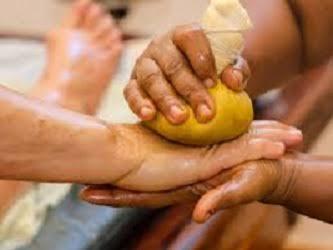
Ayurvedic Treatment for Arthritis is a holistic approach that focuses on reducing joint pain, stiffness, and inflammation while supporting long-term mobility through diet, lifestyle practices, herbal remedies, and traditional Ayurvedic therapies. Rather than simply addressing symptoms, Ayurveda aims to restore balance within the body and improve overall well-being. By combining natural remedies with healthy daily habits, this ancient system of healing offers a comprehensive way to support joint health.
Understanding Arthritis
Arthritis is a condition that affects the joints, causing pain, swelling, stiffness, and reduced flexibility. It is not a single disease but a group of more than 100 different joint disorders. The most common types include osteoarthritis, rheumatoid arthritis, gout, and psoriatic arthritis. While the causes vary, the common goal of treatment is to reduce discomfort, improve mobility, and maintain a good quality of life.
People of all ages can develop arthritis, although it becomes more common with age. Early attention to symptoms and proper care can help prevent further joint damage and improve everyday comfort.
Arthritis in Ayurveda
In Ayurveda, arthritis is viewed as a result of internal imbalance rather than only a joint problem. Different forms of arthritis are associated with different Ayurvedic conditions, such as Amavata, Sandhigata Vata, and Vatarakta.
The primary factor is often considered an imbalance of Vata Dosha, which governs movement in the body. When Vata becomes aggravated, it may lead to dryness, stiffness, cracking joints, and pain. Another important concept is Ama, which refers to undigested toxins believed to accumulate due to weak digestion. According to Ayurvedic principles, reducing Ama while balancing Vata forms the foundation of Ayurvedic Treatment for Arthritis.
Common Causes According to Ayurveda
Ayurveda believes that several lifestyle and dietary factors may contribute to joint discomfort, including:
-
Poor digestion leading to toxin accumulation
-
Irregular eating habits
-
Excessive consumption of processed or heavy foods
-
Lack of physical activity
-
Aging, which naturally increases Vata
-
Poor sleep quality
-
Stress and emotional imbalance
Addressing these factors is considered an essential part of long-term joint care.
Key Components of Ayurvedic Treatment for Arthritis
Herbal Remedies
Herbal support plays an important role in Ayurvedic Treatment for Arthritis. Many herbs have traditionally been used to promote joint comfort and flexibility.
Guggulu is commonly included in Ayurvedic formulations for supporting healthy joints and mobility.
Turmeric (Haridra) is well known for its natural anti-inflammatory properties and has become one of the most widely used herbs for joint wellness.
Ashwagandha is traditionally used to improve strength, support recovery, and promote overall vitality.
Dashamoola, a classical combination of ten medicinal roots, is often included in Ayurvedic therapies aimed at reducing discomfort associated with Vata imbalance.
These herbs should ideally be used under the guidance of a qualified Ayurvedic practitioner, especially if someone is already taking prescription medications.
Panchakarma Therapies
Panchakarma is one of Ayurveda's most recognized therapeutic approaches for cleansing and rejuvenation. These treatments are personalized based on an individual's condition and body constitution.
Popular therapies include:
-
Abhyanga: Warm herbal oil massage that helps relax muscles and nourish joints.
-
Swedana: Herbal steam therapy that encourages relaxation and may help reduce stiffness.
-
Basti: Medicated enemas traditionally considered especially beneficial for balancing Vata.
-
Nasya: Application of herbal oils through the nasal passages in selected cases.
These therapies are often used together to improve circulation, reduce stiffness, and promote greater joint comfort.
Ayurvedic Diet for Arthritis
Diet is one of the strongest pillars of Ayurvedic Treatment for Arthritis. The goal is to support healthy digestion while reducing the formation of Ama.
Foods to Include
-
Warm cooked vegetables
-
Whole grains
-
Fresh seasonal fruits
-
Moong dal
-
Ginger
-
Turmeric
-
Garlic
-
Moderate amounts of ghee
-
Warm herbal teas
Freshly prepared meals are generally preferred because they are considered easier to digest and more nourishing.
Foods to Limit
-
Processed foods
-
Deep-fried foods
-
Excess sugar
-
Cold beverages
-
Heavy meals late at night
-
Excessively oily or stale foods
Following a balanced eating routine may help support both digestion and overall joint health.
Lifestyle Habits That Support Joint Health
Ayurveda emphasizes daily routines that help maintain physical and mental balance.
Gentle Exercise
Regular movement is essential for keeping joints flexible. Low-impact activities are generally recommended because they reduce strain while encouraging mobility.
Helpful activities include:
-
Yoga
-
Walking
-
Swimming
-
Gentle stretching
-
Tai Chi
Consistency is often more beneficial than intense exercise when managing joint discomfort.
Stress Management
Stress can affect overall well-being and may influence how people experience pain. Ayurveda encourages practices that promote relaxation and mental balance.
These may include:
-
Meditation
-
Deep breathing exercises
-
Mindfulness
-
Adequate sleep
-
Maintaining a regular daily routine
Supporting emotional health is considered an important part of holistic healing.
How Ayurveda Complements Modern Medicine
Many people choose Ayurvedic Treatment for Arthritis as a complementary approach alongside conventional medical care. Ayurveda focuses on improving digestion, balancing the body, supporting mobility, and encouraging long-term lifestyle improvements.
An integrated approach allows individuals to benefit from both traditional Ayurvedic practices and modern medical guidance. Anyone considering herbal supplements or specialized therapies should consult a healthcare professional, particularly if they have rheumatoid arthritis, chronic illnesses, or take prescription medications.
Benefits of Ayurvedic Treatment for Arthritis
When followed consistently under proper guidance, Ayurvedic Treatment for Arthritis may offer several potential benefits, including:
-
Improved joint flexibility
-
Reduced stiffness
-
Better mobility
-
Support for healthy digestion
-
Enhanced overall well-being
-
Greater comfort during daily activities
-
Long-term lifestyle improvements
Individual results may vary depending on the type of arthritis, overall health, and consistency with treatment.
When to Seek Medical Attention
While natural approaches can support joint health, certain symptoms require prompt medical evaluation.
Seek medical care if you experience:
-
Severe joint swelling
-
Sudden inability to move a joint
-
Fever with joint pain
-
Rapid worsening of symptoms
-
Persistent pain that continues for several weeks
Early diagnosis and appropriate treatment are important for preventing long-term joint damage.
Safety Considerations
Not all Ayurvedic products are manufactured with the same quality standards. Choosing reputable products and consulting qualified healthcare professionals can help ensure safe use.
People who are pregnant, breastfeeding, taking prescription medications, or living with chronic medical conditions should discuss Ayurvedic treatments with their healthcare provider before beginning any new therapy.
Conclusion
Ayurvedic Treatment for Arthritis offers a comprehensive and natural approach to supporting joint health through personalized care, herbal remedies, balanced nutrition, therapeutic practices, and healthy lifestyle habits. By focusing on restoring balance within the body rather than simply managing symptoms, Ayurveda encourages long-term wellness and improved mobility. When combined with proper medical guidance and consistent self-care, this holistic approach can become a valuable part of maintaining healthier joints and a better quality of life.

 Arabic
 French
 Spanish
 Portuguese
 Deutsch
 Turkish
 Dutch
Dutch
 Italiano
 Russian
 Romaian
 Portuguese (Brazil)
 Greek
Greek