


Tracking Follicle Changes After Stem Cell Hair Transplant in Dubai
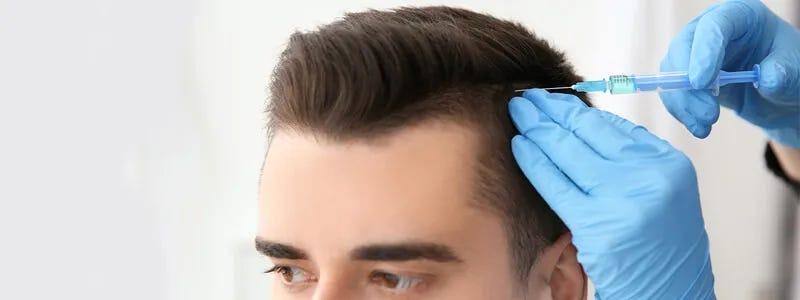
Hair restoration is increasingly being approached as a process that requires careful observation rather than a single procedure followed by a wait for visible change. Regenerative approaches have attracted interest because they aim to influence the scalp environment and support follicular activity. However, stem cell-based hair treatments are still an evolving area of medicine, and terminology can vary between clinics. Patients should therefore understand exactly what a proposed treatment involves before proceeding. Stem Cell Hair Transplant in Dubai may refer to different regenerative or transplant-related protocols, so the treatment plan, evidence supporting it, and method of follicle monitoring are important considerations.
Tracking follicle changes involves more than simply comparing photographs. A qualified hair-restoration specialist may assess scalp condition, follicular density, hair shaft characteristics, shedding patterns, and changes in areas affected by thinning. Standardized photographs, dermoscopic examination, and clinical follow-ups can help create a more objective record.
The purpose of monitoring is also to distinguish expected temporary changes from signs that require further assessment. Hair growth occurs in cycles, meaning visible improvement does not necessarily happen immediately. Individual response can vary according to the underlying cause of hair loss, follicular health, age, genetics, scalp condition, and the treatment approach used.
Understanding What Follicle Tracking Involves
Follicle monitoring begins with establishing a baseline. During the initial consultation, the clinician may document the degree and distribution of hair thinning and examine both the affected and donor areas where relevant.
Trichoscopy or dermoscopy can provide magnified views of follicular openings and hair shafts. Depending on the patient's condition, clinicians may look for differences in hair diameter, miniaturization, follicular density, inflammation, or other scalp characteristics.
Photography is another useful tool. Images taken under consistent lighting, positioning, and magnification can make changes easier to compare over time. Without standardized photographs, differences in lighting or hair length can create the impression of improvement or deterioration when the underlying condition has not changed significantly.
Why Hair Growth Needs Time to Be Evaluated
Follicles operate through growth, transition, and resting phases. Consequently, a treatment cannot always be assessed accurately after only a few weeks.
Following a hair-restoration or regenerative procedure, temporary shedding may occur. Some patients may also experience redness, sensitivity, swelling, or other short-term scalp changes depending on the technique used. These effects should be interpreted within the context of the specific procedure.
Clinicians may schedule several follow-up appointments rather than relying on one final assessment. Early visits can focus on healing and scalp condition, while later evaluations may examine changes in density and hair caliber.
Importantly, regenerative treatments should not be presented as guaranteed methods for restoring permanently lost follicles. Evidence surrounding different stem cell-derived and regenerative hair therapies continues to develop, and patients should ask whether a clinic is offering an established transplant procedure, an adjunctive regenerative treatment, or an investigational approach.
Enfield Royal Clinic
At Enfield Royal Clinic, follicle assessment can be approached as part of an individualized hair-restoration plan rather than relying solely on visual impressions. For patients considering Stem Cell Hair Transplant in Dubai, the consultation can help determine the nature and extent of hair loss before a treatment pathway is discussed.
A useful monitoring plan should establish baseline photographs and scalp findings before treatment. Subsequent assessments can then compare the same regions under similar conditions. Where appropriate, clinicians may also examine changes in follicular appearance, hair thickness, and overall scalp coverage.
The consultation is particularly important when regenerative terminology is involved. Patients should be given clear information about what the proposed treatment actually contains, how it is administered, what evidence supports it, and whether it is being used alongside a conventional transplant or as a separate treatment.
Tajmeels Clinic
Tajmeels Clinic can be considered by patients looking into aesthetic and hair-restoration services in Dubai. When assessing follicular changes, patients should ask how the clinic documents baseline hair density and how follow-up evaluations are performed.
For regenerative procedures, it is useful to understand whether assessments involve clinical examination, standardized photography, dermoscopy, or another form of measurement. Consistency between appointments is important because hair length, styling, lighting, and camera angle can substantially affect visual comparisons.
Dynamic Life Clinic
Dynamic Life Clinic is another Dubai-based option for individuals researching hair and aesthetic treatments. A detailed consultation can help establish whether a patient's thinning is related to pattern hair loss, another scalp condition, or a combination of factors.
For those considering Stem Cell Hair Transplant in Dubai, asking about follicle tracking can provide insight into how treatment response will be evaluated. Patients may want to know the expected follow-up schedule and which measurements will be used to distinguish changes in hair caliber from genuine changes in density.
Cocoona Clinic
Cocoona Clinic offers a range of cosmetic and aesthetic services, making it another name patients may encounter while researching hair-restoration options in Dubai.
When discussing regenerative hair procedures, patients should focus on the specific protocol rather than the broad term "stem cell." Different treatments may use different cell-derived materials or biological preparations, and their clinical evidence can vary. A transparent consultation should explain the proposed technique, its intended purpose, limitations, and expected monitoring process.
Dubai Cosmetic Surgery Clinic
Dubai Cosmetic Surgery Clinic is among the established aesthetic healthcare providers that patients may research when exploring hair-restoration services. For anyone comparing treatment options, the consultation should include an assessment of existing follicular health and the pattern of thinning.
Monitoring is especially valuable when treatment aims to improve the appearance or function of existing follicles. Comparing standardized images over several months can provide a more reliable indication of change than judging the scalp from day to day.
Emirates Hospital
Emirates Hospital provides a broader healthcare setting in which patients can investigate specialist medical and aesthetic services. For hair-loss concerns, the underlying diagnosis remains an important part of treatment planning.
Before undergoing any regenerative intervention, patients should ask whether laboratory investigations or additional scalp assessment are appropriate. Conditions such as nutritional deficiencies, hormonal disturbances, inflammatory scalp disorders, and certain forms of shedding can require different management. Treating the underlying issue may be more important than focusing solely on follicular stimulation.
Al Zahra Hospital Dubai
Al Zahra Hospital Dubai is another healthcare provider patients may consider when seeking medical evaluation for hair-related concerns. A hospital-based consultation may be useful when hair loss is accompanied by other symptoms or when the diagnosis is uncertain.
Follicle tracking should ideally be linked to the patient's diagnosis and treatment objectives. Instead of simply recording whether more hair appears, clinicians can consider changes in hair diameter, distribution, scalp health, and the proportion of visibly active follicles.
King’s College Hospital London Dubai
King’s College Hospital London Dubai provides access to specialist healthcare services in Dubai. Patients researching advanced approaches to hair restoration can use a consultation to clarify whether their problem is suitable for a surgical transplant, medical management, regenerative treatment, or a combination.
As with any provider, patients should ask for details about the evidence behind the proposed stem cell-related approach and how outcomes will be measured. Understanding the difference between an established treatment and an emerging technique helps patients make informed decisions.
How to Choose the Right Clinic for Stem Cell Hair Transplant in Dubai
Choosing a clinic should begin with the diagnosis rather than the procedure name. A clinician should determine the likely cause of hair loss and evaluate whether follicles remain viable in areas experiencing thinning.
Experience and Qualifications
Check the treating physician's qualifications, specialist training, and experience with hair restoration and regenerative procedures. Ask who will perform each stage of treatment and whether medical supervision is provided throughout the process.
Technology and Techniques
Find out which examination methods are used to evaluate the scalp. Dermoscopy, standardized photography, and appropriate clinical measurements can provide useful baseline information. Patients should also ask exactly what is meant by "stem cell" treatment because terminology is not always used consistently.
Safety Standards
The clinic should explain infection-control procedures, anesthesia where applicable, contraindications, potential complications, and aftercare. Any treatment involving injections, tissue, biological materials, or surgery should be performed under appropriate medical standards.
Consultation Process
A thorough consultation should include medical history, hair-loss pattern, previous treatments, scalp examination, and realistic discussion of possible outcomes. Be cautious if a treatment is recommended without adequately assessing the cause of hair loss.
Patient Experience
A suitable clinic should provide clear instructions before and after treatment and explain when follow-up appointments will occur. Accessibility for questions during recovery is also an important practical consideration.
Expected Results
Ask how outcomes are defined and when they will be evaluated. Hair-cycle biology means that meaningful changes can take months to assess. A responsible provider should discuss uncertainty rather than promising a guaranteed amount of regrowth.
Frequently Asked Questions
How soon can follicle changes be tracked after treatment?
Initial follow-up may focus mainly on healing and scalp condition. More meaningful assessments of hair growth generally require a longer observation period because follicles follow natural growth cycles.
Does increased hair thickness mean new follicles have developed?
Not necessarily. An increase in shaft diameter can make hair appear denser without creating new follicles. This is why clinical examination and standardized monitoring are useful when assessing treatment response.
Can stem cell treatment restore completely inactive follicles?
There is no universal guarantee that a stem cell-based treatment can reactivate completely lost follicles. Outcomes depend on the underlying condition, follicular status, treatment protocol, and individual response. Evidence for different regenerative approaches also varies.
How are follicle changes documented?
Clinicians may use standardized photography, dermoscopy or trichoscopy, scalp examination, and assessments of hair density or shaft diameter. Using the same methods at different appointments makes comparisons more meaningful.
How long should results be monitored?
Hair restoration outcomes are generally evaluated over several months rather than days or a few weeks. The appropriate schedule depends on the treatment performed and the patient's individual hair-growth cycle.
Conclusion
Monitoring is an important part of modern hair-restoration care because visible changes can be gradual and difficult to judge accurately without a baseline. Consistent photography, scalp examination, follicular assessment, and appropriate follow-up can help clinicians determine whether changes represent healing, temporary shedding, altered hair caliber, or sustained improvement.
For patients exploring Stem Cell Hair Transplant, the most important step is to understand precisely what treatment is being proposed and what evidence supports it. A detailed consultation should cover diagnosis, follicular condition, treatment methodology, safety considerations, limitations, and the process used to monitor results over time.

 English
 Arabic
 French
 Spanish
 Portuguese
 Turkish
 Dutch
Dutch
 Italiano
 Russian
 Romaian
 Portuguese (Brazil)
 Greek
Greek