


Staying Active with Heel Pain: How to Choose the Right Footwear Cushioning
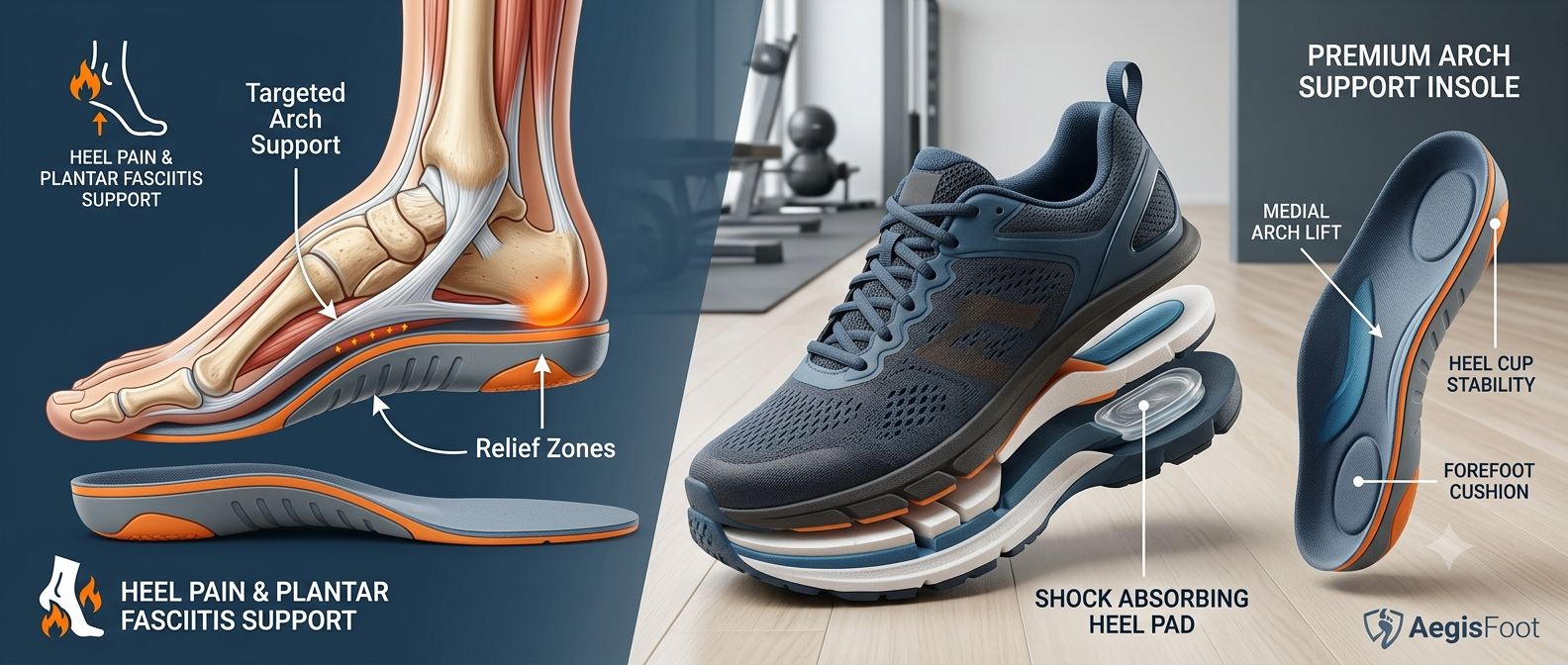
Heel pain has a way of turning every step into a calculated risk. Whether you are dealing with sharp morning soreness, deep aching after a walk, or tenderness from standing on hard surfaces, heel discomfort can quickly stall an active lifestyle. The heel bone (calcaneus) and its surrounding fat pad bear the initial brunt of your body weight every time your foot strikes the ground. When that shock-absorption system is compromised by strain or natural wear, continuing to stay mobile becomes a challenge.
Maintaining physical activity is essential for your cardiovascular health, joint flexibility, and mental well-being. Finding the right balance between staying active and protecting vulnerable tissues comes down to choosing the right footwear cushioning. At Bodyassist, we design practical, anatomical foot care solutions and joint supports engineered to reduce impact shock, protect sensitive structures, and keep you moving comfortably.
The Mechanics of Heel Shock and Foot Fatigue
To choose effective cushioning, it helps to understand what happens when your heel makes contact with the ground. During normal gait, your heel pad absorbs significant vertical ground reaction forces. This natural layer of fatty tissue acts as a built-in shock absorber, dampening impact before forces travel upward through your ankles, knees, and hips.
Over time, several factors can lessen this natural cushioning:
-
Fat Pad Atrophy: Natural aging or repetitive heavy impacts can cause the calcaneal fat pad to thin out, leaving the underlying bone with less natural protection.
-
Repetitive Stress: Extended walking or standing on unyielding concrete and tile floors places continuous mechanical stress on the heel.
-
Plantar Fascia Strain: Excessive pulling along the arch can cause localized tenderness right where the fascia attaches to the heel bone.
When these shock-absorbing structures wear down, every heel strike sends unmitigated forces straight into the bone and surrounding soft tissues.
How Cushioning Inserts Protect the Calcaneus
Integrating targeted heel cushioning into your everyday footwear is a simple, non-invasive way to restore comfort and preserve your stride.
1. Vertical Impact Mitigation
Utilizing heel pad shoe inserts provides a resilient layer of shock-absorbing material—such as medical-grade silicone or high-density gel—directly beneath the heel bone. This extra padding absorbs peak impact forces before they reach inflamed tissues.
2. Fat Pad Containment
High-quality heel inserts feature a contoured, cupped perimeter. Rather than letting your natural heel fat pad spread outward under your weight, a cupped design cradles and centralizes the tissue directly beneath the heel bone, maximizing your body's natural shock-absorption capacity.
3. Heightened Stability and Pressure Redistribution
By slightly elevating the heel, supportive inserts ease tension along the Achilles tendon and underfoot fascia bands. This subtle mechanical adjustment reduces pulling sensations while distributing weight more evenly across the entire foot.
Supporting Whole-Body Alignment and Mobility
Managing heel pain effectively often requires looking at your overall kinetic chain and daily mobility needs. Lower-body alignment begins at the feet, but confidence in movement relies on stability across the entire body.
When severe heel tenderness or balance concerns make unassisted walking difficult, incorporating structural support can aid steady movement. Utilizing mobility aid walkers allows individuals recovering from lower-limb strain or joint surgery to offload excess weight-bearing pressure from their feet.
For those who need lightweight balance assistance during daily walks, ergonomic Ambulation Aids—such as walking frames or supportive canes—provide the external stability required to maintain a natural gait without overworking sore heels. Combining proper footwear cushioning with dependable body supports from Bodyassist ensures a comprehensive approach to active recovery.
Frequently Asked Questions
Can I move heel pad shoe inserts between different pairs of shoes?
Yes. Most heel pads and gel inserts are portable and can be easily transferred between casual shoes, athletic sneakers, and work footwear. Ensure the insert lies flat against the back of the shoe for optimal stability.
Will heel pads make my shoes feel too tight?
Heel pads elevate the rear of your foot slightly but do not take up space in the toe box. As long as your shoe has adequate collar height around the ankle, heel pads should fit comfortably without causing your heel to slip out.
How do I clean my heel inserts?
Silicone and gel heel inserts can be wiped clean with warm water and mild soap. Allow them to air dry completely before placing them back inside your footwear.
Stay Active with Bodyassist
Heel pain does not have to force you onto the sidelines. By choosing footwear cushioning that absorbs impact, cradles sensitive tissues, and supports proper body alignment, you can protect your feet and maintain your daily routines. Explore the full range of foot care products, joint supports, and mobility solutions from Bodyassist to keep moving with ease.

 English
 Arabic
 French
 Spanish
 Portuguese
 Turkish
 Dutch
Dutch
 Italiano
 Russian
 Romaian
 Portuguese (Brazil)
 Greek
Greek