


How Does Sea Freight Shipping Work From Start to Finish?
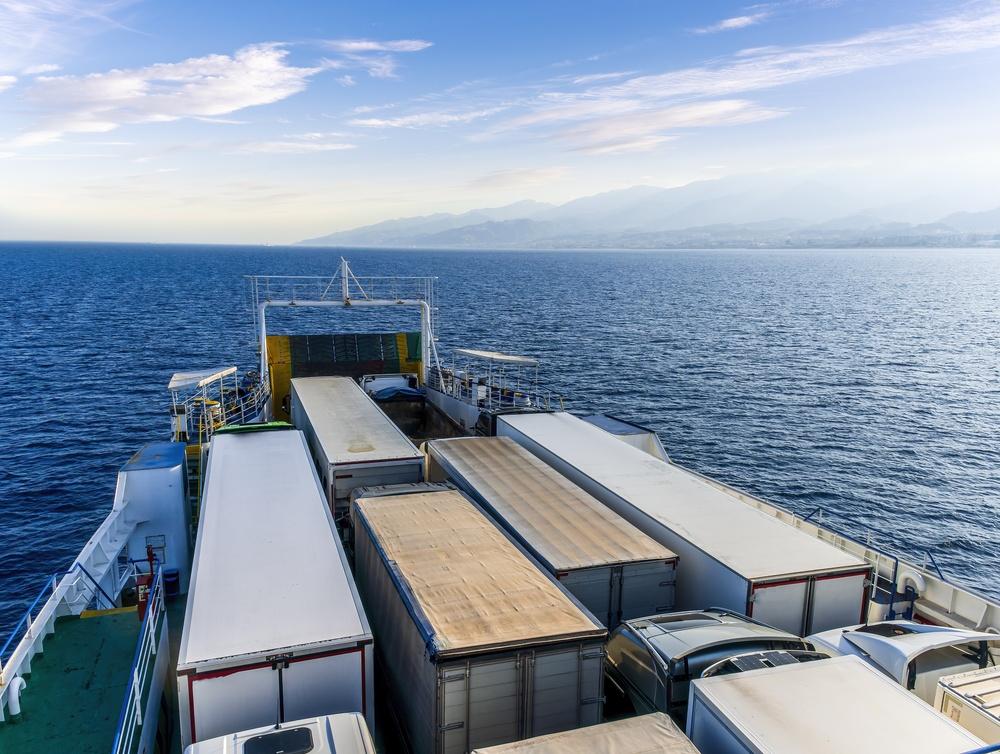
Sending goods overseas by sea involves much more than placing a shipment inside a container and waiting for it to arrive. The process moves through several stages, each with a different purpose. Understanding how sea freight shipping works can help shippers prepare their goods properly, provide the right information, and have a clearer idea of what happens between collection in the UK and delivery in Pakistan.
What Happens When You Decide to Ship by Sea?
The process starts with identifying what needs to be sent and where it needs to go. The nature of the goods, their quantity, weight, size, and final destination can affect how the shipment is handled. Personal belongings, household items, commercial goods, and other cargo may have different preparation and documentation requirements.
Before the shipment is accepted, the sender normally needs to provide accurate details about the goods. This information helps determine how the cargo should be packed, recorded, transported, and cleared. Giving incomplete or unclear information at this stage can create questions later, especially if the shipment contains items that are controlled or restricted.
How Is the Shipment Prepared for Collection?
Once the cargo details are established, the goods need to be prepared for transport. Proper packing matters because sea shipments can pass through several handling points before reaching their destination. Packages may be moved between vehicles, storage areas, warehouses, and containers during the journey.
The packaging should suit the contents rather than simply focusing on appearance. Fragile items may need additional protection, while heavier goods require packaging that can withstand movement and stacking. Each package should also be identifiable so that its contents and destination can be matched with the shipping records.
Why Does Accurate Cargo Information Matter?
The description of the goods needs to match what is actually being shipped. Information such as quantity, value, weight, and the type of goods may be required for shipping and customs procedures. A vague description can make the shipment harder to process because the carrier or authorities may need clarification.
What Happens After the Cargo Is Collected?
After collection, the shipment enters the transport network that moves it toward the export point. The exact route can vary depending on the type and size of the shipment. Smaller consignments may first be taken to a warehouse where they are grouped with other cargo before being loaded for the international journey.
This stage is sometimes overlooked because the cargo has not yet left the UK. However, it is an important part of the overall process. The shipment has to be received, recorded, stored when necessary, and prepared for the next stage without losing track of its associated information.
How Does Cargo Become Part of a Sea Shipment?
Not every shipment requires an entire container. A customer with a smaller quantity of goods may have cargo that shares container space with shipments belonging to other customers. This is commonly referred to as groupage or less-than-container-load shipping.
A larger shipment may occupy a dedicated container. The choice depends on the amount and nature of the cargo, as well as the shipping arrangement. Once the cargo is ready, it is loaded according to the handling requirements and prepared for movement to the port.
What Is the Role of the Container?
A shipping container provides a standard way to move goods between different forms of transport. The same container can be transferred between road and sea transport without requiring every individual package to be unloaded at each change of transport.
The cargo must be arranged carefully inside the container. Weight distribution, available space, protection of individual packages, and the nature of the goods all need consideration. The container is then secured before it moves toward the port.
What Happens Before the Vessel Departs?
Before the container can leave on an international vessel, shipping and customs procedures need to be completed. The information supplied for the shipment may be checked against the cargo and supporting documents.
Export requirements can include details about the goods, their destination, packaging, value, and transportation. Some goods may also require licences, certificates, or additional checks. The exact requirements depend on what is being shipped and the applicable rules.
This is why accurate paperwork is not a minor administrative task. A missing document or incorrect cargo description can result in additional questions and may affect the movement of the shipment.
How Does the Sea Journey Begin?
After the required export procedures have been completed and the container is accepted for loading, it can be moved onto the scheduled vessel. The vessel then begins the international journey.
Ocean transit can take considerably longer than air transport because the shipment travels by sea and may pass through established shipping routes and port operations. The estimated journey time can also be affected by the sailing schedule, port conditions, weather, congestion, and other operational factors.
During this period, the shipment is not simply sitting untouched. Containers are handled as part of a much larger maritime transport system, with movements recorded at relevant stages.
What Happens When the Vessel Reaches Pakistan?
Arrival at the destination port does not necessarily mean the shipment is immediately ready for delivery. The container first needs to go through the destination-side procedures that apply to imported cargo.
Customs authorities may review the shipment information and determine whether duties, taxes, inspections, or other requirements apply. The rules can vary according to the goods being imported. Restricted or prohibited items can also be subject to specific controls.
Once the necessary destination procedures have been completed, the cargo can move to the next stage of the delivery process.
How Does the Cargo Reach Its Final Destination?
After clearance and release, the shipment can leave the port or associated handling facility and continue toward its intended destination. The final movement depends on the delivery arrangement and where the recipient is located.
For a door-to-door shipment, the process continues beyond the port because the cargo still has to reach the recipient's selected address. Local transport is used for this final section, and the shipment may pass through another handling or delivery point before reaching the customer.
This last stage is important because international shipping is not complete when the vessel arrives. The actual objective is to move the goods from the original sender to the intended recipient.
What Can Cause a Sea Shipment to Take Longer?
Several factors can affect the total timeline. Delays may occur because of incomplete information, customs checks, port congestion, vessel schedules, adverse weather, handling requirements, or changes in transport arrangements.
The time required at each stage can also differ between shipments. A small personal consignment and a large commercial shipment may not follow the same handling process. For this reason, a shipping estimate should be treated as a guide rather than a guaranteed arrival date.
What Should You Understand Before Sending Goods?
A clear understanding of the shipment process makes preparation easier. The sender should know what is being transported, how the goods should be packed, what information is required, and which restrictions may apply to the destination. It is also useful to understand whether the shipment will involve shared container space or a dedicated container.
Checking these details before collection can reduce avoidable problems later. A reliable shipping process depends on accurate information at the beginning because every later stage uses those details to identify, handle, clear, and deliver the cargo.
Frequently Asked Questions
How long does sea freight shipping take?
The timeframe depends on the shipping route, vessel schedule, port operations, customs procedures, and final delivery location. A specific transit estimate should be confirmed for the individual shipment rather than assuming every sea shipment takes the same amount of time.
Can personal belongings be sent by sea?
Personal belongings can be transported by sea when they meet the applicable shipping and destination requirements. The sender should provide an accurate description of the items and check whether any goods are restricted.
Does sea cargo always travel in a full container?
No. Smaller shipments can be combined with other cargo in shared container space, while larger shipments may use a dedicated container. The arrangement depends on the shipment and service selected.
Does the shipment stop when the vessel reaches the destination?
No. The cargo may still need destination customs processing, release, local transport, and final delivery before it reaches the recipient.
Why is accurate documentation important?
Documentation provides the information needed to identify and process the shipment. Errors or missing details can lead to additional checks, questions, or delays during the shipping process.
Conclusion
Sea shipping is a connected process that begins with identifying and preparing the goods and continues through collection, cargo handling, container movement, export procedures, ocean transit, destination clearance, and final delivery. Knowing these stages gives senders a clearer picture of what happens to their goods instead of viewing international transport as a single journey.
For anyone planning to move personal belongings or commercial goods between the two countries, understanding how each stage connects can make preparation much easier. Choosing a suitable cargo service from the UK to Pakistan also means checking how the shipment will be collected, handled, transported, cleared, and delivered before making the booking.

 English
 Arabic
 French
 Spanish
 Deutsch
 Turkish
 Dutch
Dutch
 Italiano
 Russian
 Romaian
 Portuguese (Brazil)
 Greek
Greek