


What Makes a Designer Sofa Work in a Modern Interior
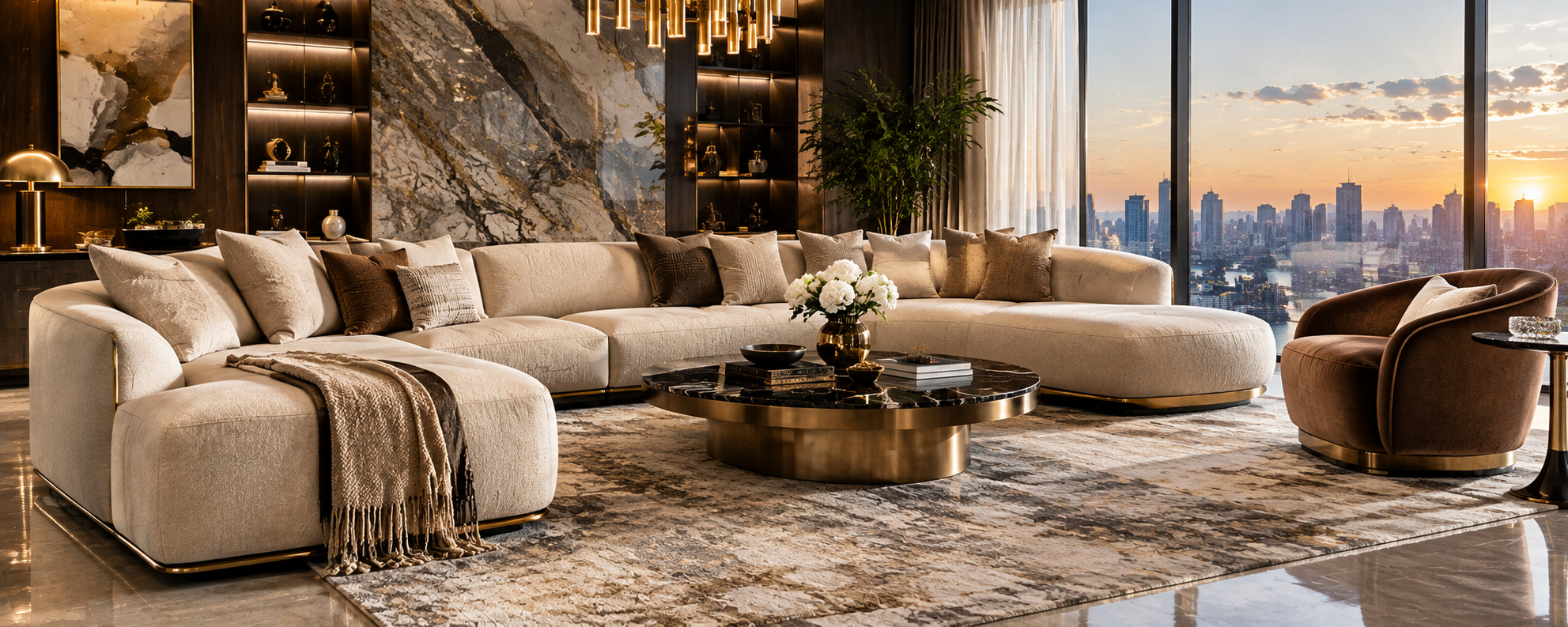
Modern living rooms often aim for a balance between clean design and everyday comfort. This can be surprisingly difficult to achieve. Furniture that looks highly polished may feel uncomfortable, while extremely relaxed seating can make an otherwise structured interior appear untidy.
The sofa sits at the centre of this balance. Its size, silhouette, upholstery, and relationship with surrounding furniture can influence the character of the entire room. Choosing a design therefore requires more than following whichever style happens to be popular.
A useful starting point is to understand why certain sofa designs work well in contemporary spaces. Proportion, visual weight, material selection, and practical comfort all contribute to the finished result.
Start With Visual Proportion
One of the most important principles in interior design is proportion. A sofa should relate naturally to the size of the room and to the other furniture surrounding it.
A large room may accommodate a generous sofa with broad arms and deep seating. A compact lounge may benefit from a visually lighter design with narrower proportions.
This does not mean that small rooms can only contain small sofas. Careful design can make larger seating work when circulation and surrounding furniture are planned correctly.
Look at the Sofa's Silhouette
The silhouette is the outline created by the sofa when viewed from a distance. It can be soft and rounded, sharply structured, low-profile, or highly sculptural.
A clean-lined silhouette can reinforce a contemporary interior. Rounded forms can introduce softness into spaces containing hard architectural lines.
The important point is consistency. Designer Sofas If the room already contains several strong geometric forms, an overly rigid sofa may make the space feel cold. A softer sofa can provide useful contrast.
Consider Visual Weight
Two sofas with similar measurements can look completely different because of their visual weight.
Heavy arms, thick bases, dark upholstery, and low positioning can make a sofa appear substantial. Slim legs, lighter fabrics, narrow arms, and elevated bases can create a more open impression.
This is especially useful in smaller rooms where maintaining visible floor space can make the room feel less crowded.
Comfort Should Support the Design
Good design should not require uncomfortable seating. A sofa used every day needs to support real habits rather than simply look impressive. Seat depth is particularly important. A deep seat can suit people who like to lounge, but a shallower seat may be preferable for more upright sitting.
Back height also influences the experience. A lower back can create a relaxed contemporary profile, while a higher back may offer more support. Arm height and width can affect how the sofa feels when users sit against the sides. These details may appear minor in a showroom, but they become noticeable during everyday use.
Material Creates Character
The materials surrounding a sofa can change how its design is perceived. A simple upholstered sofa can appear completely different when paired with stone, timber, glass, metal, or textured textiles.
This is why designer furniture does not necessarily require dramatic shapes. Sometimes the quality comes from the interaction between restrained furniture and carefully selected materials.
Consider combining:
- Soft upholstery with hard stone surfaces
- Timber with neutral fabric
- Metal accents with warm textiles
- Textured rugs with smooth furniture
- Glass surfaces with substantial seating
Contrast creates depth without requiring excessive decoration.
How Colour Influences a Modern Room
Modern interiors often use restrained palettes, but that does not mean every room should be entirely white, grey, or beige. A sofa can provide a subtle foundation for colour. Warm neutrals can create a softer atmosphere, while darker upholstery can establish a stronger visual anchor.
For those who prefer more flexibility, neutral sofa upholstery can allow colour to be introduced through cushions, rugs, artwork, and occasional chairs. This approach makes future updates easier because the largest furniture item does not need to be replaced whenever the decorative palette changes.
The Role of Designer Sofas in Open-Plan Rooms
Open-plan homes create a particular furniture challenge because the living room does not have physical walls separating it from nearby areas.
A sofa can help define the living zone.
For example, positioning a sofa with its back toward a dining space can create a visual boundary. A corner configuration can establish a clear seating area while maintaining an open connection with the rest of the home.
In these situations, the back of the sofa becomes part of the room's design. This makes upholstery quality and silhouette important from multiple viewing angles.
Choose Furniture That Works Together
A designer sofa should not be treated as an isolated statement piece. It needs to communicate with the coffee table, rug, lighting, chairs, storage, and surrounding architecture.
This does not mean buying matching furniture.
In fact, a room can look more sophisticated when different pieces have their own identities but share certain characteristics. Similar tones, complementary materials, or related shapes can create visual connection.
A curved sofa might work with a round coffee table, for example, but it could also look interesting beside a rectangular table if the rest of the room provides enough balance.
Think About Scale Before Accessories
Many homeowners focus heavily on cushions and decorative objects before establishing the correct furniture scale.The larger decisions should come first. Measure the sofa, coffee table, rug, and major storage pieces together. Consider the empty floor space between them.
Once the main arrangement works, decorative details become much easier. This prevents a common problem where attractive accessories are used to compensate for furniture that is fundamentally too large or too small.
Upholstery and Maintenance
Design should also account for the demands of everyday life. A sofa placed in a rarely used formal room can have different upholstery requirements from one used by a family every evening.
Consider cleaning instructions and expected wear before making the final selection. Sunlight is another factor. Strong direct sunlight can affect some fabrics and colours over time, so furniture positioned near large windows should be assessed carefully.
Details Can Make the Difference
Small construction details can have a surprisingly large visual impact. Stitching, piping, leg design, cushion edges, arm shapes, and base proportions can all change the personality of a sofa.
These features should support the overall design rather than compete with it. For a minimalist room, subtle details may be enough. In a more expressive interior, distinctive upholstery or sculptural forms can become part of the room's identity.
Avoid Following Trends Too Literally
Interior trends change quickly. A sofa is a much longer-term purchase. Instead of selecting furniture simply because a particular shape appears frequently on social media, consider whether the design works with the architecture and your personal routines.
Timelessness does not mean boring furniture. It means choosing proportions, materials, and construction that can remain appealing even when decorative trends change. A strong sofa can accommodate changing accessories around it without becoming visually outdated.
Build Around Real Use
A living room may be used for television, conversation, reading, entertaining, working, or simply relaxing. The sofa should support these activities. If people frequently sit together, a configuration that encourages conversation may be more useful than a layout focused entirely on television viewing. If the room doubles as a reading area, lighting and side tables become important. The more accurately the furniture reflects actual behaviour, the more naturally the interior tends to work.
Conclusion
A designer sofa works successfully in a modern interior when design and everyday function are treated as equally important. Proportion, silhouette, material, colour, comfort, and maintenance all contribute to the finished result.
Rather than copying a showroom arrangement, build the room around its architecture and the way it is genuinely used. A thoughtfully selected sofa can become the foundation for the entire living space without overwhelming it. Modern design works best when it feels intentional but still comfortable enough to live with every day.

 English
 Arabic
 French
 Spanish
 Portuguese
 Deutsch
 Turkish
 Dutch
Dutch
 Italiano
 Russian
 Portuguese (Brazil)
 Greek
Greek