


What Makes a Fire Fighting System Ready When Seconds Matter?
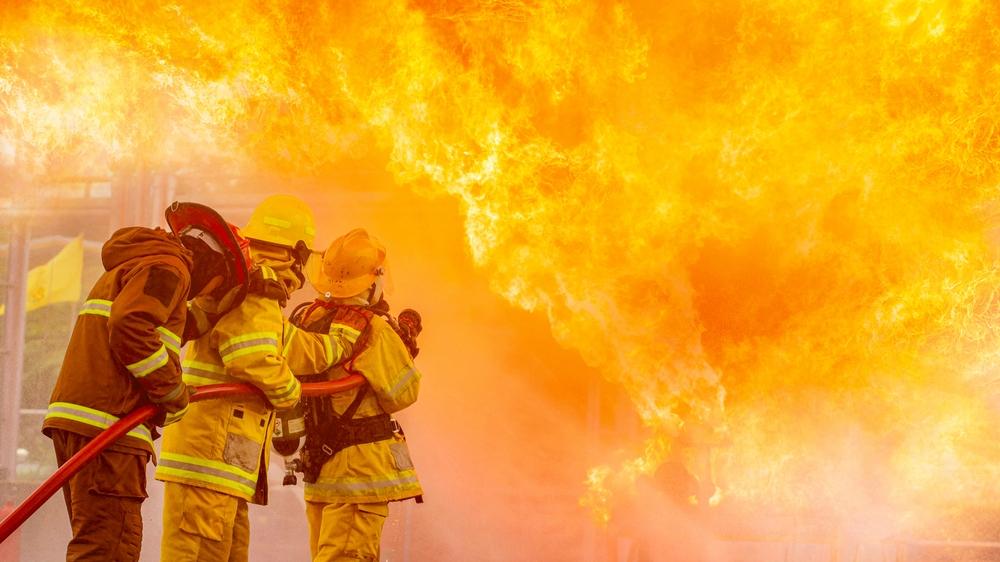
It was just after closing time when a security guard noticed smoke coming from a storage room. Within moments, the situation changed from a quiet evening to an emergency. The alarm was activated, people began moving toward the exits, and the building's firefighting arrangements had to respond without hesitation. There was no time to discover whether equipment had been maintained or whether access had been blocked.
This kind of situation explains why a Fire Fighting System needs to be prepared before an emergency occurs. A system is not considered ready simply because its equipment has been installed. Its components need appropriate inspection, testing, maintenance, accessibility, and coordination so they can perform their intended roles when seconds matter.
1. What Does It Mean for a Fire Fighting System to Be Ready?
Readiness means that the equipment and systems provided for fire protection are available and capable of performing their intended functions. This can include detection, alarm, water-based systems, suppression equipment, emergency controls, and portable firefighting equipment.
A system that has been installed but poorly maintained may not provide the expected protection. Readiness therefore depends on continued attention rather than a one-time installation.
The exact requirements depend on the building type, occupancy, fire hazards, system design, and applicable safety standards.
2. Why Is Regular Inspection Important?
Fire protection equipment can deteriorate even when it has never been used. Valves can develop problems, components can become damaged, access routes can become obstructed, and control equipment may require servicing.
Regular inspection helps identify these conditions before an emergency occurs. It gives responsible personnel an opportunity to arrange repairs, testing, replacement, or professional servicing when necessary.
Inspection should follow the manufacturer's instructions and the requirements applicable to the specific system.
3. How Does Testing Support System Reliability?
Inspection can reveal visible problems, but some systems also require functional testing to confirm that their components respond as intended. Testing can involve alarms, pumps, detection devices, valves, control panels, or other equipment depending on the installation.
A successful test provides useful evidence that the system is functioning according to its design. Any abnormal result should be investigated rather than ignored.
Testing schedules vary according to equipment type and applicable standards, so building management should maintain an appropriate documented program.
4. Why Does Accessibility Matter During an Emergency?
A firefighting system cannot provide its intended benefit if occupants or emergency responders cannot reach the equipment. Storage, furniture, construction work, vehicles, or other obstacles can unintentionally interfere with access.
Clear access should be considered during routine inspections. Equipment locations should remain identifiable, and important controls should not be hidden behind materials or locked away without an appropriate emergency arrangement.
Good accessibility reduces unnecessary delays when immediate action is required.
5. How Does a Fire Extinguisher Support a Larger Fire Safety Plan?
Portable equipment can provide an important first-response option for certain small fires. A fire extinguisher is designed to discharge an extinguishing agent onto a fire, but its effectiveness depends on selecting the correct type and using it under safe conditions.
Its role is different from that of a fixed firefighting installation. A portable extinguisher may help address a manageable fire, while larger systems can provide broader protection depending on the building's design and hazards.
People should never attempt to fight a fire that is spreading rapidly, producing dangerous smoke, or blocking their escape route. Evacuation and contacting emergency services should take priority when conditions are unsafe.
6. Why Does Water Supply Matter in Fixed Systems?
Water-based firefighting installations depend on having an appropriate water supply and the components needed to deliver it where required. Depending on the system, this may involve pumps, storage tanks, pipes, valves, hydrants, or sprinkler arrangements.
If a critical component is unavailable or improperly maintained, the overall performance of the system can be affected. Regular inspection and testing are therefore important parts of system management.
The required water supply and equipment depend on the system design and the hazards being protected.
7. How Can Staff Training Improve Emergency Response?
Equipment alone cannot guarantee an effective response. Employees and building occupants should understand the alarm signal, evacuation routes, emergency exits, and assembly procedures relevant to their workplace.
Where employees are expected to use portable firefighting equipment, suitable training can help them understand its purpose and limitations. Training should also emphasize that personal safety comes first.
Regular drills can make emergency procedures more familiar and help identify practical problems with evacuation routes or communication arrangements.
8. What Keeps a Fire Fighting System Prepared Over Time?
Long-term readiness requires a planned approach. Inspection, testing, maintenance, documentation, staff awareness, and clear emergency procedures should work together rather than being treated as separate activities.
Building conditions can change over time. New equipment, altered layouts, additional storage, renovations, or changes in occupancy can introduce new hazards that may require the fire-protection arrangements to be reviewed.
Keeping the system aligned with the actual building conditions helps maintain its intended level of protection.
Frequently Asked Questions
What makes a firefighting system ready for an emergency?
Readiness depends on appropriate design, proper installation, accessibility, inspection, testing, maintenance, and trained personnel. The exact requirements depend on the system and building.
How often should a firefighting system be inspected?
Inspection frequency varies by equipment type, system design, manufacturer instructions, and applicable standards. A documented inspection and maintenance schedule should be established for the specific installation.
Can portable extinguishers replace a fixed firefighting system?
Not in every situation. Portable extinguishers and fixed systems serve different purposes. The appropriate combination depends on the fire hazards and characteristics of the building.
Why is staff training important?
Training helps employees understand alarms, evacuation procedures, equipment limitations, and their responsibilities during an emergency. It can reduce confusion when a real incident occurs.
What happens if firefighting equipment is blocked?
Blocked equipment may be difficult or impossible to access when needed. Regular inspections should identify and correct obstructions before they create an emergency problem.
Conclusion
The security guard in the opening story had no opportunity to prepare once smoke appeared. The building's fire-protection arrangements had to be ready before that moment. This is the central principle behind effective fire preparedness.
A reliable firefighting arrangement depends on more than installing equipment. Regular inspection, functional testing, proper maintenance, clear access, suitable equipment, staff awareness, and updated emergency procedures all contribute to readiness.
When these elements are managed as part of an ongoing safety program, a building is better prepared to respond when a few seconds can make a significant difference.

 English
 Arabic
 French
 Spanish
 Portuguese
 Deutsch
 Turkish
 Dutch
Dutch
 Italiano
 Romaian
 Portuguese (Brazil)
 Greek
Greek