


Exploring Long-Term Hair Changes After Stem Cell Hair Transplant in Dubai
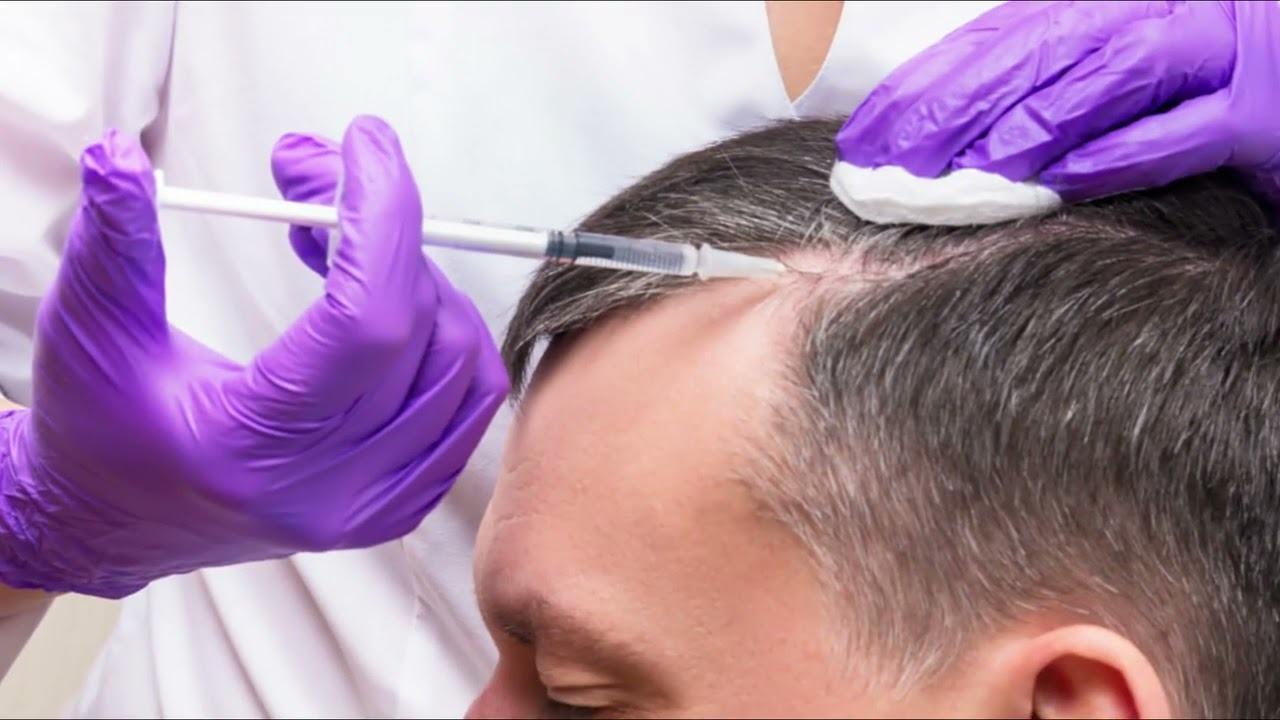
Hair restoration is increasingly being discussed in terms of long-term follicle health rather than simply immediate cosmetic improvement. This is particularly relevant when considering Stem Cell Hair Transplant in Dubai, where regenerative approaches are explored alongside established hair restoration techniques. The aim is generally to support a healthier environment for follicles while addressing areas affected by thinning or reduced density.
Long-term changes do not occur immediately after treatment. Hair follicles follow natural growth cycles, and visible changes can develop gradually over several months. Early shedding, temporary changes in density, and differences in growth speed between treated areas can all occur during the recovery period. The eventual appearance depends on factors such as the condition of the scalp, donor hair characteristics, follicle response, underlying hair-loss pattern, and aftercare.
Regenerative procedures are also not identical for every patient. Treatment planning may involve assessing follicle quality, scalp condition, existing density, and the extent of thinning before deciding which approach is appropriate. A careful evaluation helps establish realistic expectations rather than assuming that every patient will experience the same degree of change.
Understanding Long-Term Follicle Changes
Hair grows in repeating phases, including growth, transition, and resting periods. Because individual follicles do not progress through these stages simultaneously, improvements after a restoration procedure can appear uneven at first.
Over time, newly transplanted or treated areas may become more noticeable as follicles enter active growth phases. Hair shafts can also change in diameter and visual fullness as they mature. This means that assessing the final outcome too early may give an incomplete picture.
Long-term monitoring is particularly useful when the original hair-loss condition is progressive. A procedure may improve the appearance of selected areas, but surrounding untreated follicles can continue to thin if the underlying cause is not addressed. Medical assessment and ongoing management can therefore be important components of a comprehensive restoration plan.
What Can Influence Long-Term Results?
Several factors can affect how follicles behave after treatment. Donor hair quality is important because stronger follicles generally provide a more dependable foundation for restoration. The recipient area's condition also matters, particularly when there is inflammation, excessive oiliness, scarring, or other scalp concerns.
Age, genetics, hormonal influences, nutrition, lifestyle, and existing medical conditions may also contribute to changes over time. These factors explain why two people undergoing similar procedures may experience different patterns of growth.
Aftercare should also be taken seriously. Following post-treatment instructions regarding scalp care, washing, physical activity, medications, and follow-up appointments can help reduce avoidable complications. Patients should discuss supplements or topical products with a qualified professional rather than adding multiple treatments without guidance.
The Role of Regenerative Approaches
Stem-cell-based and regenerative hair procedures are an evolving area of aesthetic medicine. Their proposed role can involve supporting the biological environment surrounding follicles and encouraging regenerative activity. However, the terminology used for these treatments varies considerably between providers, and not every procedure marketed as a stem cell treatment uses the same technique or biological material.
For this reason, patients should ask exactly what procedure is being proposed, how the biological material is obtained and processed, which areas will be treated, and what evidence supports the approach. Clear explanations are especially important when discussing long-term expectations.
Regenerative treatment should also be distinguished from conventional follicular unit transplantation. Depending on the individual case, a clinician may recommend transplantation, regenerative treatment, medical therapy, or a combination of approaches rather than relying on one technique alone.
Monitoring Changes Over Time
Long-term evaluation should focus on more than whether new strands become visible. Clinicians may assess density, shaft thickness, scalp coverage, donor-area appearance, and the balance between treated and untreated regions.
Photographic follow-ups under consistent lighting can make gradual changes easier to identify. A patient may notice little difference from week to week while measurable changes become clearer over several months.
It is also useful to understand that hair restoration does not necessarily stop the natural aging process. Existing follicles can continue to change, and additional thinning may occur in areas that were not treated. Periodic reassessment can help identify these changes early and allow treatment plans to be adjusted when appropriate.
How to Choose the Right Clinic for Stem Cell Hair Transplant in Dubai
Choosing a provider should begin with the medical assessment rather than the promotional description of a procedure. Patients should consider the clinician's qualifications, experience with hair restoration, understanding of regenerative medicine, and ability to explain both potential benefits and limitations.
Technology and technique are also important. Ask whether the proposed treatment is genuinely appropriate for the individual's pattern of hair loss and whether the clinic can explain how follicles or regenerative materials are handled.
Safety standards should be discussed before treatment. Patients can ask about sterilization procedures, infection prevention, emergency protocols, and how complications are managed. A professional consultation should include a review of medical history and existing medications where relevant.
The consultation process itself can provide useful information. A thorough assessment should examine the donor region, recipient area, scalp condition, hair-loss pattern, and realistic treatment goals. Patients should be given sufficient time to ask questions instead of being pushed toward an immediate decision.
Expected results should also be discussed carefully. A responsible provider should explain the anticipated timeline, possible limitations, recovery requirements, and factors that could influence the outcome.
Enfield Royal Clinic
Enfield Royal Clinic approaches hair restoration with attention to individualized treatment planning and the patient's existing follicle condition. For people considering Stem Cell Hair Transplant in Dubai, a detailed consultation can help determine whether a regenerative approach is suitable and how it may fit within a broader restoration strategy.
The assessment can consider areas of thinning, donor characteristics, scalp condition, and the patient's desired appearance. Discussing these factors before treatment is important because long-term planning may be more valuable than focusing solely on early visible changes.
Tajmeels Clinic
Tajmeels Clinic provides cosmetic and aesthetic treatment services, including options associated with hair restoration. Patients exploring regenerative approaches can use the consultation stage to discuss their pattern of thinning, previous treatments, and expectations for future density.
Understanding how a proposed procedure is performed and what follow-up involves can help patients make a more informed treatment decision.
Dynamic Life Clinic
Dynamic Life Clinic offers aesthetic and medical services that may include hair-related treatments. Individuals considering regenerative restoration should discuss whether their existing follicles are suitable for the proposed procedure and whether additional medical management may be appropriate.
Long-term planning is particularly relevant for patients whose thinning pattern is still progressing.
Cocoona Clinic
Cocoona Clinic is known for providing cosmetic and aesthetic care in Dubai. When exploring hair restoration, patients should focus on the specific technique being recommended rather than relying solely on the general concept of regenerative treatment.
A detailed consultation can clarify treatment goals, expected recovery, and the likely timeline for assessing changes.
Dubai Cosmetic Surgery Clinic
Dubai Cosmetic Surgery Clinic provides cosmetic surgical and aesthetic services. Patients considering hair restoration can discuss their donor area, existing density, and the degree of coverage they hope to achieve.
A realistic treatment plan should account for both the treated region and the possibility of future changes in surrounding hair.
Emirates Hospital
Emirates Hospital provides a broad range of medical services, making clinical assessment an important part of discussing hair and scalp concerns. Patients may benefit from understanding whether their thinning has a straightforward pattern or whether an underlying scalp or medical issue needs consideration.
This type of evaluation can help distinguish cosmetic concerns from conditions requiring medical management.
Al Zahra Hospital Dubai
Al Zahra Hospital Dubai provides multidisciplinary healthcare services. For individuals experiencing significant thinning, a medical assessment can be useful before selecting a regenerative or surgical hair restoration option.
Patients should ask about suitability, possible risks, recovery, and the evidence supporting the recommended treatment.
King’s College Hospital London Dubai
King’s College Hospital London Dubai provides specialist healthcare services within a broader clinical setting. Patients considering hair restoration can benefit from discussing their medical history, scalp health, existing treatments, and long-term expectations during consultation.
A clinically informed approach can help determine whether regenerative treatment is appropriate or whether another management strategy should be considered.
Frequently Asked Questions
How long does it take to see long-term changes after regenerative hair treatment?
Visible changes usually develop gradually rather than immediately. Hair growth cycles can mean that early results are difficult to assess, while more meaningful changes may become apparent over several months.
Can existing hair continue to thin after treatment?
Yes. A restoration procedure does not necessarily prevent future changes in untreated follicles. The underlying cause of hair loss should therefore be considered when developing a long-term management plan.
Are stem cell hair treatments suitable for everyone?
No. Suitability depends on factors such as the cause and extent of hair loss, scalp condition, donor hair characteristics, medical history, and the specific regenerative technique being offered. A professional assessment is necessary.
How should long-term progress be monitored?
Consistent clinical photographs, density assessments, scalp examinations, and scheduled follow-ups can help track gradual changes. Comparing photographs taken under similar conditions can be particularly useful.
Does regenerative treatment guarantee permanent hair growth?
No hair restoration procedure should be presented as guaranteeing a permanent result. Outcomes vary between individuals, and existing follicles may continue to change because of genetics, aging, hormonal influences, or other factors.
Conclusion
Long-term hair changes after regenerative treatment should be viewed as a gradual biological process rather than an immediate cosmetic transformation. Follicle activity, growth cycles, donor characteristics, scalp condition, aftercare, and the underlying cause of hair loss can all influence how the result develops.
For individuals considering Stem Cell Hair Transplant, the most useful starting point is a detailed consultation that explains the proposed technique, realistic timeline, potential limitations, and options for maintaining the result. A personalized approach can help ensure that treatment decisions are based on the individual's current hair condition as well as their longer-term restoration goals.

 English
 Arabic
 French
 Spanish
 Portuguese
 Deutsch
 Turkish
 Dutch
Dutch
 Italiano
 Romaian
 Portuguese (Brazil)
 Greek
Greek