


Why Henna Staining Intensity Differs Significantly Between Epidermal Layers on Hands vs. Feet
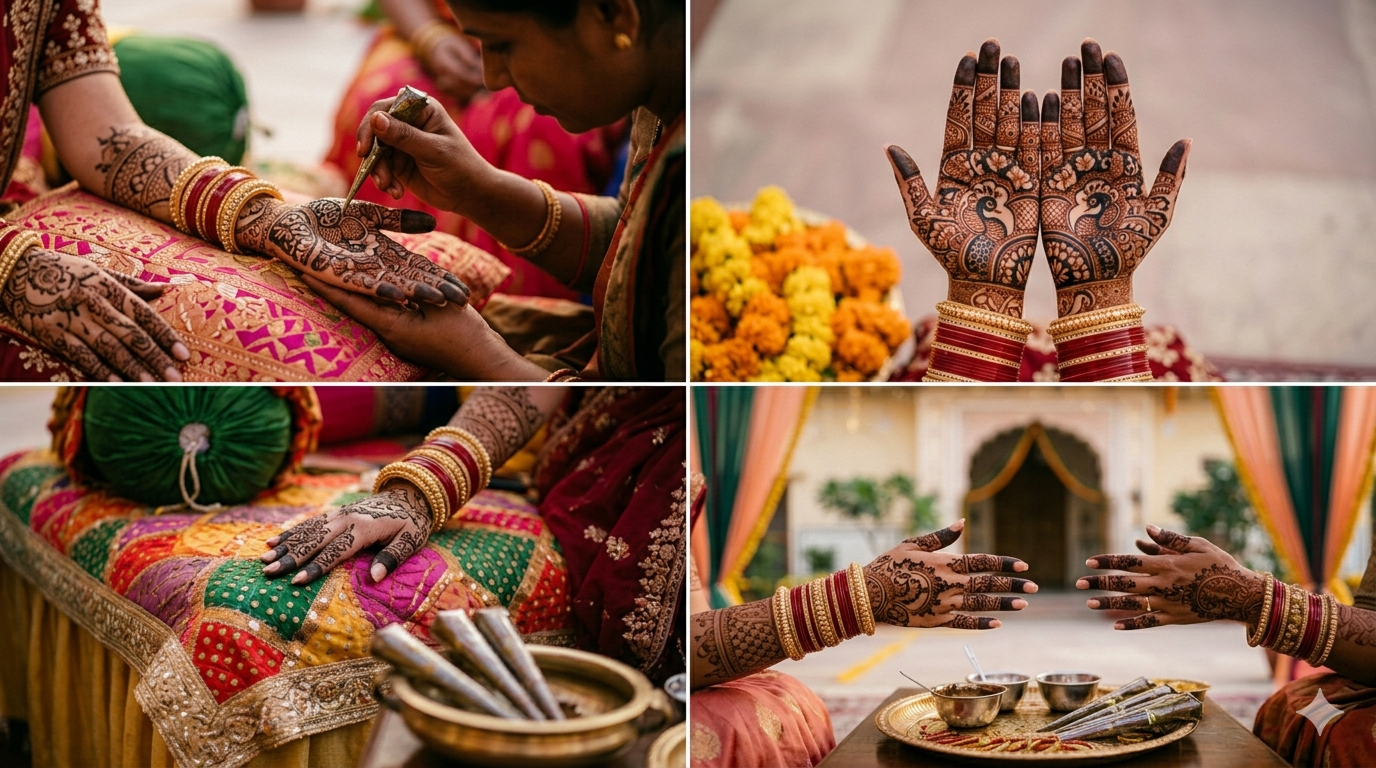
Henna dye (Lawsonia inermis) has been used for centuries across cultures for body art, cosmetic adornment, and traditional ceremonies. While any enthusiast or artist quickly notices that henna stains significantly darker and lasts longer on certain body areas, few understand the specific dermatological mechanics behind this phenomenon.
The Chemical Mechanism of Lawsone and Skin Interaction
To understand variations in stain color depth, one must first examine the chemical reaction taking place on the surface of the skin. The primary active dye compound in henna leaves is Lawsone (2-hydroxy-1,4-naphthoquinone). Lawsone is a naturally occurring aglycone molecule that possesses a high affinity for keratin—a fibrous structural protein that forms the primary component of the human epidermis, hair, and nails.
When henna paste is applied to human skin, Lawsone molecules migrate from the hydrated paste and penetrate the outer skin layers. Once inside, Lawsone undergoes a Michael-addition reaction, forming permanent covalent bonds with the thiol and amino groups present in keratin amino acid chains. Because this bond is chemical rather than a surface coating, the resulting stain cannot simply be washed off with water or soap; it remains fixed within the keratinized cells until those cells naturally shed. Consequently, the total volume and structural density of keratin available at a given anatomical location directly dictate the theoretical maximum color intensity attainable.
Histological Differences: Stratum Corneum Thickness
The human epidermis is divided into distinct layers: the stratum basale, stratum spinosum, stratum granulosum, and the outermost stratum corneum. The stratum corneum consists of flattened, dead, highly keratinized cells called corneocytes. The thickness of this specific layer varies drastically across different anatomical zones of the human body:
-
General Body Skin (Arms, Legs, Torso): The stratum corneum is exceptionally thin, measuring approximately 10 to 20 micrometers (µm) in depth, consisting of roughly 15 to 20 layers of corneocytes.
-
Palmar and Plantar Skin (Palms and Soles): Known as thick or palmoplantar skin, this region features an extra epidermal layer known as the stratum lucidum. Here, the stratum corneum expands dramatically to between 400 and 600 micrometers (µm)—nearly 30 to 50 times thicker than skin elsewhere on the body.
Because the palms of the hands and soles of the feet possess such a thick stack of keratin-dense corneocytes, Lawsone can migrate deeper into successive cell layers. On thinner skin, the dye reaches the basement membrane limit rapidly without accumulating high molecular concentrations of pigment. On palmoplantar skin, the thick layer acts as a volumetric sponge, trapping massive quantities of Lawsone within thousands of stacked keratin matrices.
Keratin Density and Covalent Binding Capacities
Beyond sheer physical thickness, the structural composition of keratin itself differs between the dorsal (back) and ventral (underside/plantar) surfaces of the hands and feet:
-
Palms and Soles: Exposed to constant friction, weight-bearing load, and mechanical stress, palmoplantar skin produces dense, compact soft keratin with exceptionally tight intercellular lipids. This creates an abundant substrate of reactive protein sites for Lawsone molecules to bind.
-
Tops of Hands and Feet: The dorsal skin on top of the hands and feet contains lower cell-stack density, higher lipid-to-protein ratios, and thinner cellular membranes.
When Lawsone penetrates palmoplantar tissue, the sheer density of available binding sites results in a much higher concentration of dye molecules per cubic millimeter of skin tissue. This dense saturation yields a visually darker stain because light passing through the upper skin layer encounters a higher volume of light-absorbing pigment molecules before reflecting back to the eye.
Desquamation Dynamics and Epidermal Turnover Rates
The longevity and fading pattern of a henna stain are dictated by the natural physiological process of desquamation—the shedding of the outermost epidermic layer. Skin cells originate at the stratum basale and gradually migrate upward, keratinizing until they reach the stratum corneum and eventually slough off.
-
Upper Extremity Friction (Hands): Hands are subjected to constant washing, detergent exposure, and friction throughout the day. While the initial stain on the palm is intense due to depth, the high rate of mechanical shedding means the stain fades noticeably faster on the fingers and palms than on less frequently washed areas.
-
Lower Extremity Stability (Feet): The feet—particularly the soles and lower lateral edges—have a slower rate of desquamation compared to the hands when protected by footwear. The combination of an exceptionally thick stratum corneum on the soles with lower exposure to harsh soaps allows the deep stain to remain dark for several weeks longer than on the hands.
Temperature, Microvascularization, and Oxidation Factors
The final color transition of a henna stain—from bright orange upon paste removal to deep reddish-brown over 24 to 48 hours—is driven by atmospheric oxidation. However, physiological factors such as skin temperature and localized microcirculation play a supporting role in this process:
-
Body Heat and Dye Absorption: Lawsone absorption is an endothermic process; higher skin surface temperatures accelerate the diffusion rate of dye molecules into the keratin layer.
-
Vascularization Differences: Palms and soles feature high densities of arteriovenous anastomoses (specialized blood vessels involved in thermoregulation). This local warm warmth increases skin porosity during the paste application phase, encouraging deeper dye penetration.
Understanding these biological parameters allows artists and practitioners to optimize application times, heat wraps, and aftercare routines depending on the targeted body part.
Practical Application: Adapting Techniques for Anatomical Zones
Given the vast histological differences between palmoplantar skin and thinner dorsal skin, henna application techniques must be calibrated to the specific anatomical zone:
-
Pre-application Preparation: Thicker skin on the feet and palms benefits from mild exfoliation to remove loose superficial debris, ensuring the dye contacts fresh, receptive keratinized cells.
-
Paste Sealants and Heat Retention: On areas with thinner stratum corneum, such as the tops of the hands or ankles, applying lemon-sugar sealants or wrapping the skin helps prolong hydration and warmth, encouraging maximum Lawsone diffusion despite lower skin thickness.
-
Timing Adjustments: While 2 to 4 hours of paste contact may suffice for dark stains on the palms, non-palmoplantar areas require significantly longer contact times (6 to 8 hours) to achieve optimal depth.
For professionals and enthusiasts eager to refine their skills, mastering these skin dynamics and chemical principles is an essential step. Enrolling in a comprehensive henna course offers structured training on dye release mechanics, anatomical skin preparation, paste formulation, and precision application techniques across all skin types.
By pairing an understanding of human skin histology with proper paste formulation and timing, practitioners can consistently achieve rich, long-lasting stains on every region of the hands and feet.

 English
 French
 Spanish
 Portuguese
 Deutsch
 Turkish
 Dutch
Dutch
 Italiano
 Russian
 Romaian
 Portuguese (Brazil)
 Greek
Greek