


What is the best treatment for milia?
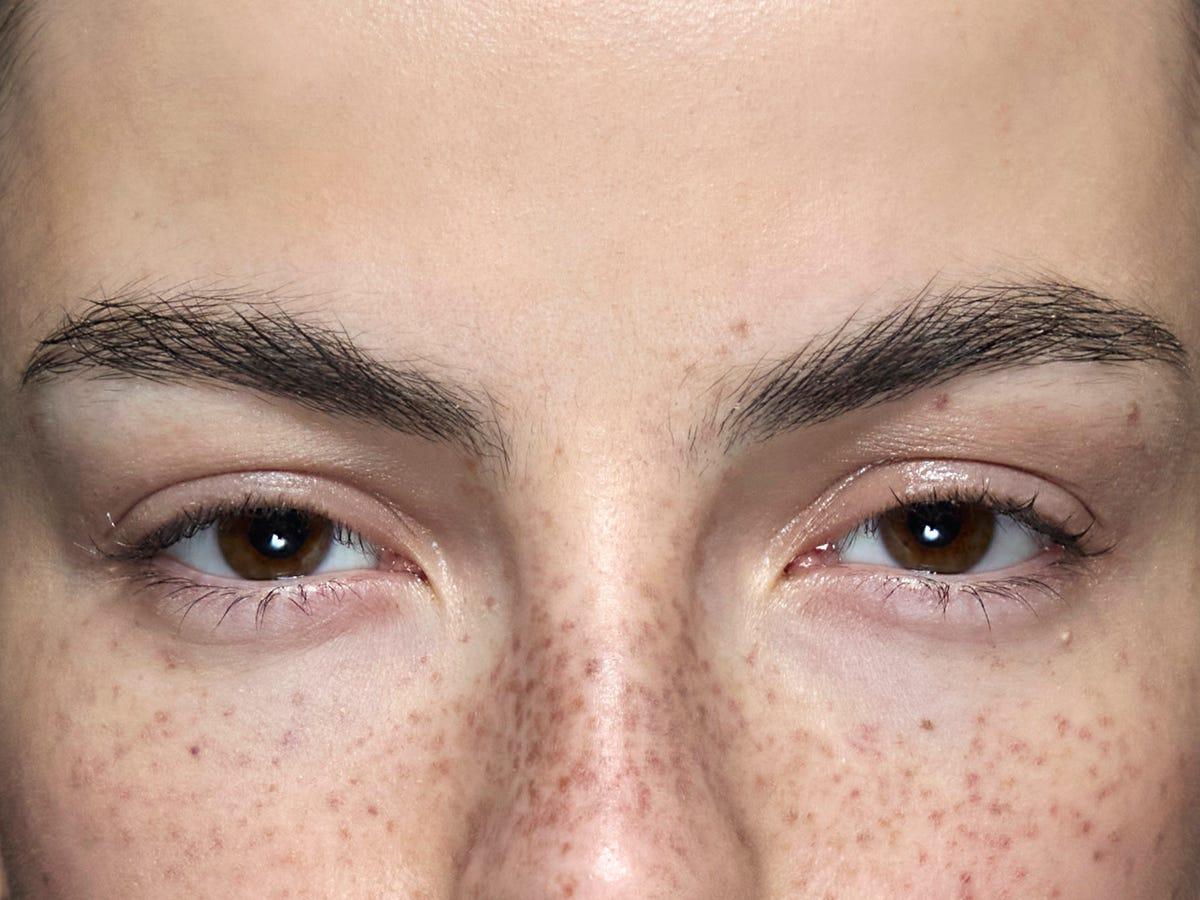
If you have small white or yellowish bumps on your skin, you may wonder, what is the best treatment for milia? In many cases, milia are harmless and do not require medical treatment, but persistent bumps can be removed for cosmetic reasons. If you are exploring علاج الدخينات في دبي, understanding the available approaches can help you choose appropriate professional care. The most suitable treatment depends on factors such as the type, location, number, and persistence of the milia.
What Are Milia?
Milia are tiny, firm cysts that usually appear as white, cream-colored, or yellowish bumps beneath the surface of the skin. They form when keratin, a protein naturally found in the skin, becomes trapped.
These bumps commonly appear around the eyes, cheeks, nose, forehead, and other facial areas. They can affect people of any age and are particularly common in newborns.
Unlike acne, milia generally do not have an open pore and are not usually associated with redness, swelling, or pus. Their firm texture can make them difficult to remove by squeezing.
What Is The Best Treatment For Milia?
There is no single treatment that is best for every person. For persistent milia, professional extraction is commonly used because it allows a trained professional to remove the trapped material under controlled and hygienic conditions.
During professional extraction, the surface of the lesion may be carefully opened using sterile equipment before the contents are removed. The technique should be performed by an appropriately qualified professional, particularly when milia are located close to the eyes.
Newborn milia are different because they often disappear naturally. Treatment is generally unnecessary unless a healthcare professional identifies another condition requiring attention.
Professional Extraction:
Professional extraction is one of the most straightforward approaches for suitable milia. A professional examines the bumps and determines whether extraction is appropriate.
The procedure involves carefully accessing the cyst and removing the trapped keratin. Because the process is controlled, it can reduce the risks associated with squeezing or puncturing the skin at home.
The number and location of lesions can influence how the procedure is performed. Small numbers of easily accessible lesions may be treated individually, while multiple or recurring lesions may require a broader skincare assessment.
Other Treatment Approaches:
Depending on the individual case, a dermatologist may consider other options. These can vary according to the type of milia, their location, and the person's overall skin condition.
Certain topical or exfoliating ingredients may sometimes be incorporated into a skincare routine to support skin renewal. However, these products do not necessarily remove existing milia, and stronger ingredients can cause irritation when used incorrectly.
Other procedures may occasionally be considered for persistent or recurrent cases. A professional assessment is important before choosing one because not every white facial bump is a milial cyst.
Can Milia Go Away Without Treatment?
Yes. Some milia disappear naturally without intervention. This is particularly common with newborn milia, which often resolve as the baby's skin develops.
Adult milia may also disappear naturally, but they can remain for months or longer. If the bumps are not bothersome, observation may be an appropriate approach.
Treatment becomes more relevant when the lesions persist, repeatedly appear, or cause cosmetic concern.
Why Should You Avoid Home Extraction?
Although milia may look like small whiteheads, they should not be squeezed like pimples. Their structure and location beneath the skin make home extraction difficult.
Using fingers, needles, or unsterilized tools can damage the skin and potentially cause bleeding, irritation, infection, pigmentation changes, or scarring.
The risk is especially important around the eyelids and other delicate facial areas. Professional removal is a safer approach when extraction is desired.
Can Skincare Prevent Milia?
A suitable skincare routine may help support overall skin health, although it cannot guarantee prevention.
Gentle cleansing can remove excess oil, makeup, and surface debris without unnecessarily irritating the skin. Moisturizing can also support the skin barrier.
Some people use exfoliating products as part of their routine, but stronger exfoliants should be introduced carefully. Over-exfoliation may cause dryness and irritation rather than improving the appearance of the skin.
If milia occur frequently, a professional can review your skincare routine and help identify products or habits that may be irritating your skin.
How Is The Best Treatment Selected?
Choosing an appropriate treatment depends on several factors. These include the person's age, number of lesions, location, skin sensitivity, duration, and whether the bumps have been professionally identified as milia.
For example, newborn milia usually require observation rather than extraction. A single persistent adult milia near the cheek may be suitable for professional extraction, while multiple recurring lesions may require a broader skincare evaluation.
A professional assessment helps ensure that the treatment matches the actual skin concern.
When Should You Seek Professional Advice?
Consider professional assessment if the bumps persist, increase in number, become bothersome, or cause significant cosmetic concern.
You should also seek advice if you are uncertain whether the bumps are milia. Other skin conditions can sometimes resemble small white or yellow bumps, and treating the wrong condition may worsen the skin.
Professional evaluation is particularly important for lesions around the eyes, where self-removal can be risky.
Frequently Asked Questions:
What is the most common treatment for milia?
Professional extraction is commonly used for persistent milia, particularly when they are cosmetically bothersome.
Can milia be removed permanently?
A professionally removed milia may not return in the same location, but new milia can develop elsewhere. Skincare and individual skin characteristics can influence recurrence.
Can I remove milia myself?
Home extraction is not recommended. Squeezing or puncturing the skin can cause irritation, infection, pigmentation changes, or scarring.
Do newborn milia need treatment?
Usually not. Newborn milia commonly resolve naturally without intervention.
Can creams remove milia?
Some skincare ingredients may support skin renewal, but creams do not reliably remove every existing milia. Professional evaluation may be appropriate for persistent lesions.
Conclusion:
Understanding what is the best treatment for milia starts with recognizing that the appropriate approach depends on the individual case. Many milia can be left alone because they are harmless and may disappear naturally. For persistent adult milia that cause cosmetic concern, professional extraction is commonly used. Avoid squeezing or puncturing the bumps at home, and seek professional assessment when the diagnosis is uncertain or the lesions are persistent. A qualified professional can help determine the safest and most appropriate approach for your skin.

 English
 French
 Spanish
 Portuguese
 Deutsch
 Turkish
 Dutch
Dutch
 Italiano
 Russian
 Romaian
 Portuguese (Brazil)
 Greek
Greek