


Food Inventory Control Software: Improving Stock Visibility in Food Businesses
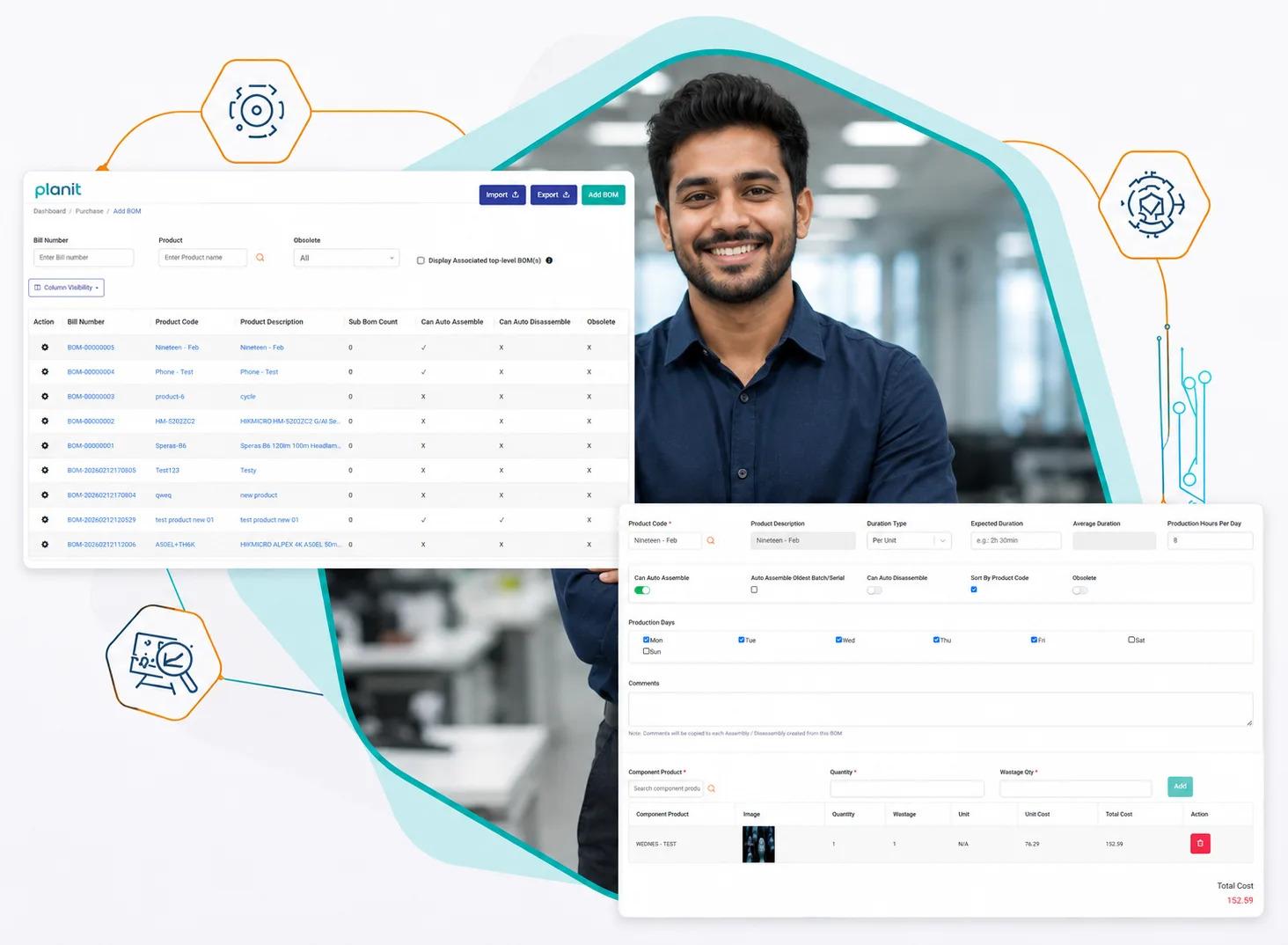
Food businesses operate in an environment where inventory accuracy affects freshness, margins, customer satisfaction, and operations. Whether it is a restaurant, food distributor, bakery, processor, or retail food company, teams need to know what is available, what is moving, what is nearing expiry, and what needs replenishment. Manual spreadsheets and disconnected records can make these tasks slower and error-prone. Food Inventory Control Software brings purchasing, receiving, storage, stock movement, and reporting into a connected system, helping businesses maintain clearer inventory visibility.
Why Stock Visibility Matters in Food Businesses
Food inventory is different from many other types of stock because products can have limited shelf lives, multiple units of measurement, batches, and storage requirements. A business may hold ingredients, packaging materials, finished products, and work-in-progress items simultaneously. Without reliable visibility, excess purchasing can increase waste while insufficient stock can interrupt production or sales.
Better inventory visibility helps teams understand:
-
Current stock levels across locations or storage areas
-
Fast-moving and slow-moving products
-
Batch and expiry information
-
Purchase and consumption patterns
-
Items requiring replenishment
-
Inventory valuation and movement
This information gives managers a practical basis for planning instead of relying on assumptions or scattered records.
How Food Inventory Control Software Improves Accuracy
A major advantage of a centralized inventory system is consistent data. When stock receipts, issues, transfers, adjustments, and sales are recorded in one platform, businesses can reduce gaps between physical stock and recorded stock.
For example, when ingredients are received from a supplier, the system can record quantities and product details. When those ingredients are issued for production, inventory balances can be updated accordingly. This creates a clearer movement history and makes it easier to investigate discrepancies.
Batch and Expiry Management
Expiry management is a major consideration for food businesses. Products with different production dates or shelf lives should not be treated as identical units. A digital inventory system can help businesses track batch information and identify stock that needs attention.
This can support operational practices such as:
-
Monitoring products by batch
-
Identifying upcoming expiry dates
-
Supporting appropriate stock rotation
-
Tracing inventory movement
-
Reducing avoidable product losses
Businesses can use this information to improve purchasing and stock-rotation decisions.
Reducing Food Waste Through Better Planning
Food waste can affect profitability. The U.S. Environmental Protection Agency has identified food as a major component of municipal solid waste, making waste reduction important. For food businesses, better inventory planning can help reduce unnecessary purchasing and improve the use of existing stock.
Food Inventory Control Software can connect stock information with purchasing and consumption patterns. Managers can review historical movement, compare current availability, and plan replenishment according to demand. It gives teams better information for purchasing and production decisions.
Supporting Purchasing and Supplier Management
Inventory visibility becomes more useful when purchasing activities are connected with stock data. Instead of waiting until employees notice low quantities, businesses can monitor reorder requirements and purchase accordingly.
A connected system can help teams:
-
Review supplier-related purchase information
-
Track received quantities
-
Compare expected and actual stock
-
Maintain product and supplier records
-
Improve purchasing coordination
This can make procurement more organized.
Managing Inventory Across Multiple Locations
Growing food businesses may operate warehouses, production facilities, stores, or distribution points in different locations. Tracking inventory separately can make it difficult to understand the overall stock position.
A centralized solution can provide a consolidated view while allowing teams to monitor individual locations. Transfers between sites can be recorded, helping businesses understand where inventory is held and where it is being used. This is useful when stock needs to move between facilities.
Using Reporting for Better Inventory Decisions
Inventory reporting turns transaction data into information managers can use. Instead of reviewing individual spreadsheets, teams can analyze stock movement and identify patterns over time.
Useful reports may include:
-
Inventory movement reports
-
Stock valuation reports
-
Purchase and receipt reports
-
Batch and expiry reports
-
Low-stock and replenishment reports
-
Product consumption reports
Regular reporting can help managers identify unusual movements and improve inventory policies.
Improving Operational Efficiency
Manual inventory processes often require repeated data entry, physical reconciliation, and communication between departments. These activities consume working hours.
By centralizing inventory information, Food Inventory Control Software can help purchasing, warehouse, production, sales, and management teams work from consistent records. Employees spend less time searching for information and more time acting on it. Automation can also support faster updates when inventory transactions occur.
Why Businesses Choose PlanIT for Inventory Management
Every food business has different workflows, product structures, purchasing processes, and reporting requirements. PlanIT provides inventory management capabilities designed to help businesses organize stock information, monitor movements, manage purchasing, and improve visibility across operations.
With a centralized approach, businesses can build stronger inventory processes without depending entirely on disconnected spreadsheets. The goal is to create useful information that supports purchasing, production, and sales.
Key Benefits at a Glance
-
Better visibility into stock availability and movement
-
More organized batch and expiry tracking
-
Improved purchasing and replenishment planning
-
Centralized information for multiple inventory locations
-
Faster access to inventory reports
-
Better coordination between operational teams
-
Reduced dependence on manual spreadsheets
-
More informed inventory decisions
Getting Started with PlanIT
Improving inventory control starts with understanding where stock visibility gaps exist. Businesses can review their purchasing, receiving, storage, production, and sales processes before selecting the workflows they want to centralize. Implementation can help teams maintain accurate records and establish consistent practices.
For businesses looking to strengthen food inventory visibility, PlanIT can provide a practical technology platform for bringing inventory activities together. This also supports consistent inventory control across growing food businesses and multiple locations.
-
Company: PlanIT
-
Phone: +91-9958474631
-
Email: sales@plan-it.pro
Choose PlanIT to bring greater visibility, structure, and control to your food inventory operations.

 English
 Arabic
 French
 Spanish
 Portuguese
 Deutsch
 Turkish
 Italiano
 Russian
 Romaian
 Portuguese (Brazil)
 Greek
Greek