


How Bulk Equipment Suppliers Support Businesses and Organizations
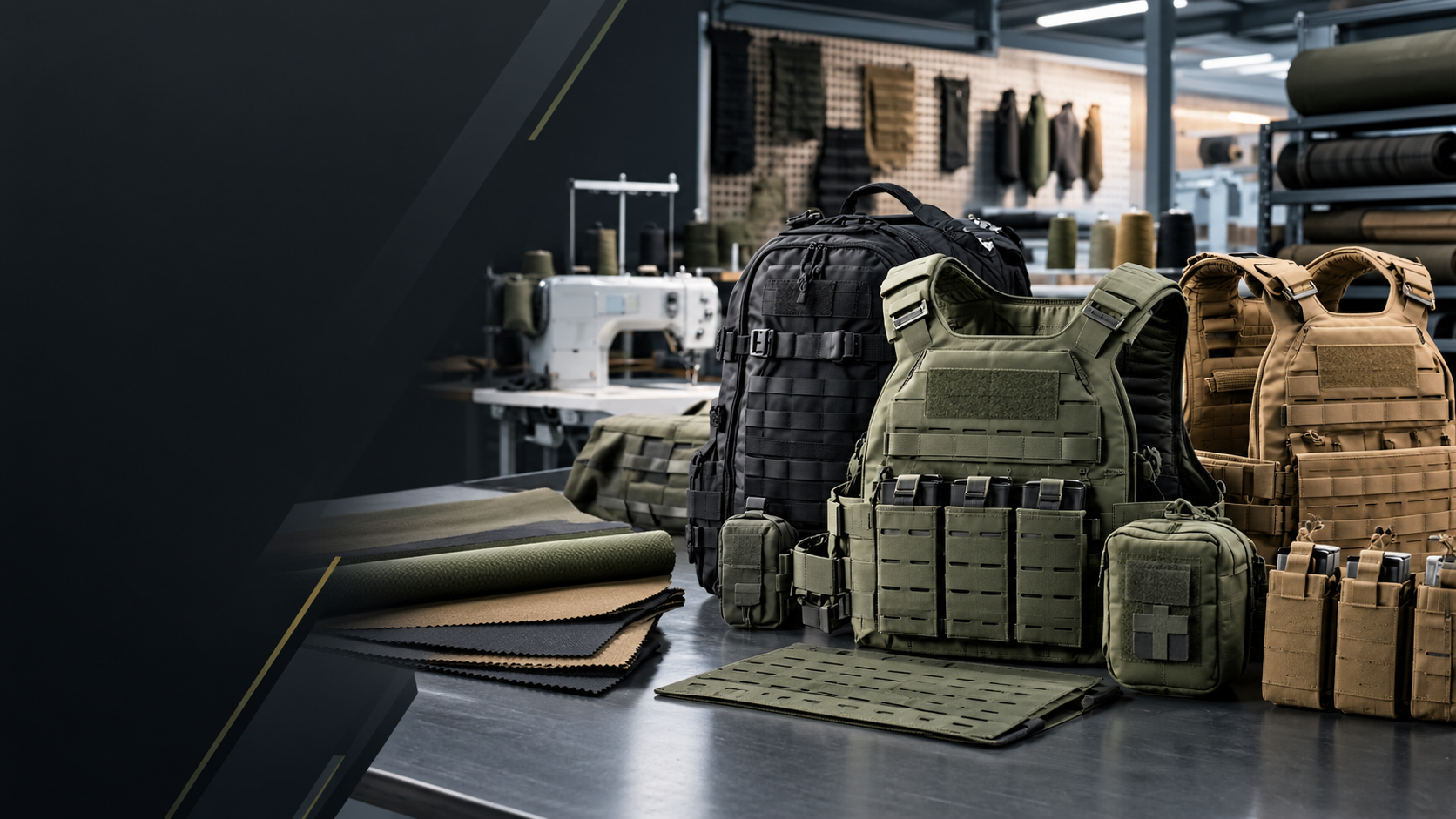
Organizations that purchase professional equipment in large quantities face different challenges from individual buyers. They must consider consistency, availability, budgeting, storage, delivery schedules, and the needs of multiple users. Bulk suppliers help simplify this process by connecting businesses with production networks and providing equipment at quantities suited to organizational requirements.
Why Bulk Purchasing Matters
Buying equipment in larger quantities can make procurement more organized. Instead of placing separate orders whenever individual items are needed, an organization can plan purchases around specific operational requirements. This approach may also make inventory management easier because teams can maintain a predictable stock of commonly used products.
Quantity purchasing can be particularly useful for companies with multiple employees or locations. Standardized equipment helps create consistency across teams, while centralized ordering can reduce the administrative work associated with managing numerous small transactions.
However, purchasing in volume requires careful planning. Buyers should estimate current requirements, consider potential future needs, and confirm that the supplier can provide consistent products throughout the purchasing period.
Managing Product Consistency
One of the most important responsibilities of a bulk supplier is maintaining consistency. When an organization orders dozens or hundreds of similar products, differences in sizing, materials, construction, or configuration can create unnecessary complications.
Reliable suppliers work with established production processes and quality-control procedures to reduce variation. Product specifications should remain clear, allowing customers to understand exactly what they are ordering.
Consistency also matters when additional products are purchased later. A business may need replacement equipment months after the original order. If the supplier maintains useful records and stable product specifications, matching future orders can become easier.
Balancing Price and Overall Value
Price naturally influences large purchasing decisions because even small differences can become significant when multiplied across a substantial order. However, organizations should avoid evaluating bulk purchases based solely on the lowest available price.
Durability, construction quality, product lifespan, warranty arrangements, shipping costs, and supplier support can all affect the actual value of an order. Equipment that requires frequent replacement may cost more over time than a product with a higher initial price but better durability.
A wholsale tactical gear manufucturer may provide pricing structures designed for larger orders, but buyers should still review specifications carefully. Understanding exactly what is included in the quoted price helps organizations compare suppliers on a more meaningful basis.
Logistics Become More Important at Scale
Large orders require effective logistics. Suppliers need to coordinate inventory, packaging, transportation, and delivery schedules so that equipment reaches the customer in usable condition and within the agreed timeframe.
Packaging can be particularly important when equipment contains multiple components. Proper organization helps customers identify quantities and distribute products efficiently after delivery.
Businesses should also discuss lead times before placing substantial orders. Some products may be available from existing inventory, while customized or specially manufactured items may require additional production time. Knowing these details early helps organizations coordinate procurement with their own operational schedules.
Supporting Different Organizational Needs
Not every organization requires the same equipment configuration. Businesses may need particular sizes, materials, attachment arrangements, or packaging options. A flexible supplier can help customers identify available choices without creating unnecessary complexity.
Customization can be especially useful when a team needs standardized equipment adapted to its working environment. Suppliers may coordinate with production partners to determine which modifications are practical and how they affect costs and timelines.
Good communication is essential during this process. Written specifications, order confirmations, product documentation, and clear delivery information help reduce misunderstandings when large quantities are involved.
Technology Makes Ordering Easier
Digital procurement tools have changed how organizations manage bulk equipment purchases. Online catalogs allow buyers to examine product details, compare configurations, check availability, and request information without relying entirely on traditional sales processes.
Inventory-management systems can also help suppliers track stock levels and prepare for replenishment. For repeat customers, saved purchasing information can make future orders faster and more accurate.
Technology does not replace human support, however. Large orders can involve unusual requirements, and customers may need clarification about compatibility, sizing, or delivery. Responsive service remains an important part of a successful supplier relationship.
Building Long-Term Procurement Relationships
Businesses often benefit from working with suppliers that understand their recurring requirements. A dependable supplier can become familiar with preferred products, typical quantities, delivery patterns, and documentation needs.
Long-term relationships can also improve communication. Instead of explaining every requirement from the beginning, organizations may establish repeat ordering procedures that reduce administrative effort.
Suppliers benefit from these relationships as well. Regular customers provide useful information about changing market demands and product performance, helping suppliers adjust inventory and service strategies.
Planning Before Placing a Large Order
Bulk purchasing works best when organizations approach it as a structured procurement process. Buyers should define required quantities, confirm specifications, establish delivery expectations, and review supplier policies before committing to an order.
They should also consider storage capacity and future replacement needs. Ordering more equipment than an organization can properly store or use may create unnecessary expenses, while ordering too little can lead to repeated shipping and administrative costs.
Ultimately, bulk equipment suppliers provide more than large quantities of products. Their value can include consistent manufacturing, organized logistics, flexible ordering, product information, and ongoing customer support. When businesses evaluate these factors together, they can create procurement systems that are easier to manage and better aligned with their operational requirements.

 English
 Arabic
 French
 Portuguese
 Deutsch
 Turkish
 Dutch
Dutch
 Italiano
 Russian
 Romaian
 Portuguese (Brazil)
 Greek
Greek