


How Rehabilitation Programs Support People With Cerebral Palsy
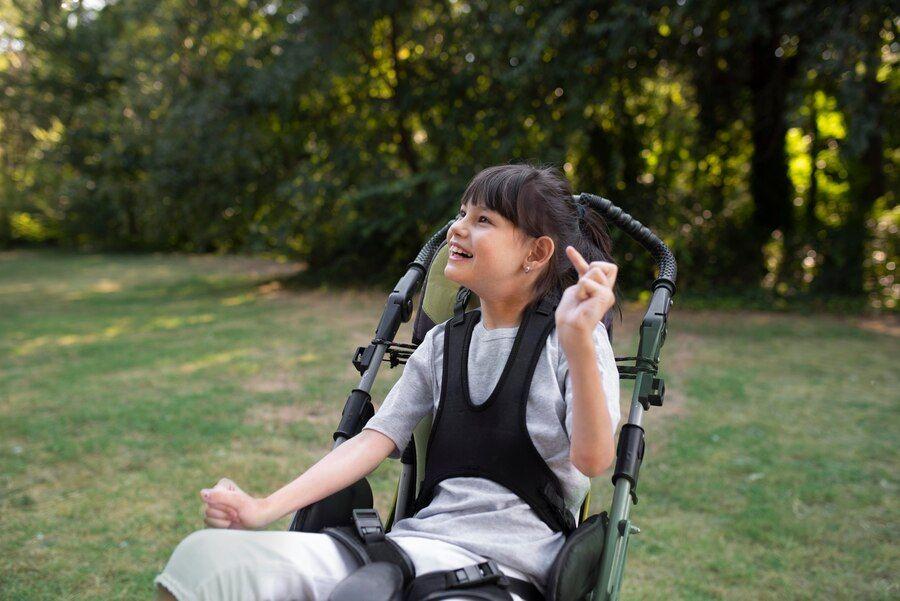
Rehabilitation plays an important role in helping people with cerebral palsy manage movement difficulties and participate more fully in daily life. A personalized Cerebral Palsy Treatment In Dubai plan may combine physiotherapy, occupational therapy, speech therapy, mobility support, and other rehabilitation services according to individual needs. For individuals who find frequent clinic visits difficult, a Doctor at Home can provide convenient medical support and help coordinate care when appropriate. Rehabilitation does not follow one standard approach; instead, programs are adapted according to age, abilities, symptoms, functional goals, and changes over time.
Understanding Rehabilitation for Cerebral Palsy:
Rehabilitation for cerebral palsy focuses on improving functional abilities, maintaining physical health, supporting independence, and managing challenges associated with movement and muscle control. Because cerebral palsy affects individuals differently, rehabilitation programs are usually developed after assessing mobility, muscle tone, coordination, posture, communication, self-care skills, and other relevant needs. The goals may range from helping a child develop new movement skills to helping an adult maintain mobility and independence. Regular assessments allow healthcare professionals to modify the program as the person's needs change.
The Role of Physiotherapy in Rehabilitation:
Physiotherapy is often a central component of cerebral palsy rehabilitation. Physiotherapists evaluate movement patterns and develop exercises that may address flexibility, strength, balance, posture, and mobility. Depending on the individual's abilities, therapy may include stretching, strengthening, walking practice, balance exercises, transfers, and functional movement activities. The focus is generally on practical goals that relate to everyday life. Consistent therapy can also help individuals and caregivers learn safer ways to move and perform activities while taking existing limitations into account.
Occupational Therapy for Daily Independence:
Occupational therapy helps people with cerebral palsy develop or maintain skills needed for everyday activities. These activities may include dressing, eating, bathing, grooming, writing, using technology, attending school, or completing work-related tasks. An occupational therapist may recommend adaptive equipment or alternative techniques when physical limitations make certain activities difficult. For children, therapy can incorporate play and learning activities, while adults may focus on workplace tasks, household responsibilities, and independent living. This approach connects rehabilitation directly to meaningful daily activities.
Speech and Communication Support:
Some individuals with cerebral palsy experience difficulties with speech, communication, swallowing, or oral motor control. Speech-language therapy can assess these areas and develop appropriate strategies. Treatment may involve exercises and communication techniques designed around the person's specific abilities. Some individuals may also benefit from alternative or augmentative communication systems when spoken communication is difficult. Swallowing concerns may require specialized assessment and management. Communication support can improve participation and help individuals express their needs, preferences, and choices more effectively.
Managing Muscle Tone and Spasticity:
Changes in muscle tone, including spasticity, can interfere with movement and positioning. Rehabilitation programs may incorporate stretching, positioning, strengthening, and functional movement strategies to manage the effects of muscle tightness. Some patients may also receive medical treatments prescribed by specialists when spasticity significantly affects function or comfort. Rehabilitation often remains important after such treatments because improved muscle control or range of movement may provide opportunities to practice functional skills. The specific approach depends on the location and severity of muscle tone abnormalities.
Mobility Training and Assistive Devices:
Mobility goals vary widely among people with cerebral palsy. Some individuals may walk independently, while others may use canes, walkers, wheelchairs, or other mobility equipment. Rehabilitation professionals can assess how a person moves and determine whether an assistive device may improve safety, independence, or participation. Training can include using the equipment correctly, navigating different environments, transferring safely, and maintaining appropriate posture. Mobility devices should be properly fitted and reviewed regularly, particularly for growing children whose physical needs can change over time.
Rehabilitation for Children With Cerebral Palsy:
Early and ongoing rehabilitation can support children as they develop movement, communication, and self-care skills. Pediatric programs are often designed around developmental abilities and may use games or other engaging activities to encourage participation. Parents and caregivers can learn how to incorporate recommended strategies into everyday routines. Depending on the child's needs, a rehabilitation team may focus on:
- Sitting and standing skills
- Walking and transfers
- Hand and arm coordination
- Communication
- Feeding and swallowing
- Dressing and personal care
- Play and school participation
- Safe use of mobility equipment
Regular evaluation allows the team to adjust goals as the child grows and develops.
Rehabilitation Support for Adults:
Adults with cerebral palsy may require rehabilitation to maintain mobility, manage physical challenges, and support independence. Treatment goals can change over time due to differences in activity levels, work demands, aging, pain, fatigue, or other health considerations. Rehabilitation may focus on maintaining strength and flexibility, improving functional movement, managing mobility equipment, and making daily activities more manageable. Therapists can also recommend workplace or home adaptations when environmental barriers affect independence.
The Importance of Home-Based Rehabilitation:
Home-based rehabilitation can make therapy more accessible for people who have difficulty traveling because of mobility limitations, transportation challenges, or complex care needs. Professional therapists can assess movement within the patient's actual home environment and identify practical barriers. Treatment activities may be adapted around the patient's daily routine, available space, and equipment. Home rehabilitation can also provide caregivers with opportunities to learn safe positioning, transfers, exercises, and other supportive techniques under professional guidance.
Family and Caregiver Involvement:
Families and caregivers can play an important role in maintaining consistency between professional therapy sessions. Rehabilitation professionals can teach caregivers how to support recommended activities without taking over tasks the individual can perform independently. This balance is important because excessive assistance may reduce opportunities for developing independence. Caregivers can also provide valuable observations about changes in movement, fatigue, discomfort, communication, or daily functioning. Sharing these observations helps the rehabilitation team understand how the program is working in real-life situations.
Setting Practical Rehabilitation Goals:
Effective rehabilitation programs generally use goals that are specific to the individual's abilities and priorities. Instead of focusing only on reducing symptoms, goals may relate to activities and participation. Examples can include transferring from a bed to a chair more safely, improving the ability to use a spoon, walking a certain distance with appropriate support, or communicating needs more effectively. Goals should be realistic and reviewed regularly. As abilities change, rehabilitation priorities may also change.
Monitoring Progress and Adjusting Treatment:
Rehabilitation is an ongoing process rather than a single course of treatment. Healthcare professionals may periodically reassess strength, flexibility, balance, mobility, communication, self-care, and other functional areas. Progress can sometimes be gradual and may appear as improved confidence, safer movement, greater participation, or reduced assistance with daily activities. If a strategy is no longer suitable, the rehabilitation team can modify exercises, equipment, or treatment goals. Regular follow-up helps keep care aligned with the individual's current needs.
Creating a Supportive Rehabilitation Routine:
A consistent routine can make it easier for patients and families to incorporate rehabilitation into everyday life. Professional recommendations should guide the type, frequency, and intensity of exercises or activities. Helpful habits may include:
- Following the prescribed therapy schedule
- Practicing recommended activities safely
- Using assistive equipment correctly
- Allowing adequate rest between activities
- Tracking meaningful changes in daily function
- Keeping communication open with the rehabilitation team
- Attending recommended assessments
- Reporting new pain, mobility changes, or other concerns
Consistency should be balanced with the individual's comfort, energy levels, and safety.
Final Thoughts
Rehabilitation programs provide comprehensive support for people with cerebral palsy by addressing movement, communication, self-care, mobility, and participation. Physiotherapy, occupational therapy, speech therapy, assistive equipment, caregiver education, and home-based support may all contribute to an individualized rehabilitation plan. The primary focus should be on meaningful functional goals that reflect the person's abilities and priorities. With regular assessment and coordinated professional care, rehabilitation can help individuals work toward greater independence, safety, and participation in everyday activities.

 English
 Arabic
 French
 Spanish
 Portuguese
 Deutsch
 Turkish
 Dutch
Dutch
 Italiano
 Romaian
 Portuguese (Brazil)
 Greek
Greek