


How Long Does Insulating Foam Take To Dry?
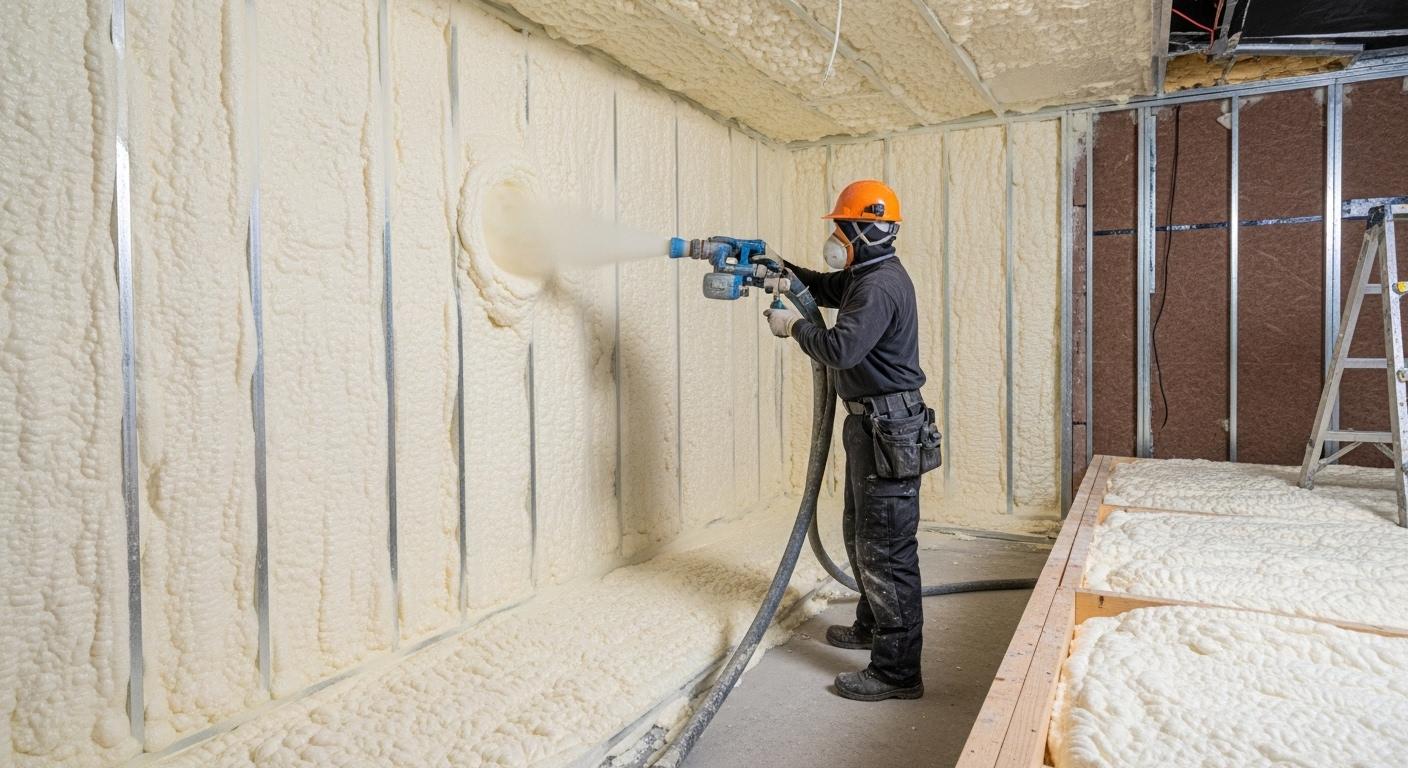
Insulating foam helps homes stay warm in winter and cool in summer, and many people choose this material because it fills small gaps and blocks air movement in a strong and lasting way. When someone plans to use insulating foam, one of the first questions that comes to mind relates to drying time, because knowing how long the foam takes to dry helps with planning work, safety, and daily living inside the home.
Insulating foam doesn’t dry at the same speed every time, and factors like foam type, room temperature, humidity, and surface conditions can all affect the process. To avoid delays or mistakes, builders often use online estimatings, which help them calculate material requirements and schedule insulation work efficiently.
There are several steps to the process of drying insulating polyurethane foam. The foam begins to expand within seconds after it is applied, filling in the spaces. At this stage, the foam feels soft and sticky. Second stage: surface drying. The outer layer will feel dry to the touch within minutes. Curing is the third and final stage, where the foam has dried completely and reached its maximum strength. This can take anywhere from one to three full days.
Drying Time
Different types of foams dry out at different rates, so it is important to know the difference. Open-cell spray Foam is faster drying than some other types. It usually becomes firm within just a few hours. This foam stays soft and pliable even after it has dried.
Closed-cell Spray Foam takes more time to dry due to its thicker structure. Drying can sometimes take between one and three days for the foam to reach full strength. The type that blocks the moisture best is used to cover outdoor walls and rooftops.
Small cans of foam that is one component, are used by many to seal small gaps. Surface drying occurs within minutes, but deeper curing takes several hours. While two-component polyurethane foam systems can dry quicker, timing is still important. Full drying takes between 24 and 72 hours.
When To Dry Foam And Why It Matters
Insulating foam, a soft material, is liquid and then expands. As it becomes firmer over time, this helps to fill the gaps left by other insulations. Because the foam is still sticky during its initial stages, it's important to let it dry. Otherwise, you could damage your insulation, cause health problems, or have an unsatisfactory result.
Oncethe foam has dried, it will be stable and firm. It stops giving off strong smells at this point and is able to provide the most effective insulation. When a person knows the duration of a foam's drying, they can better decide when to return to a particular room, re-arrange furniture or paint or wallpaper.
Factors How Quickly The Foam Dries.
It is important to note that drying times are not constant in all situations. The temperature has a big impact on foam drying. A warm environment speeds the process up, while a cold one slows it down, keeping the foam moist for longer.
In addition to drying speed, high humidity can affect curing. This is because the foam will react with moisture as it dries, and too many moistures slow curing. Foam thickness is crucial because even if you think the surface of your foam looks dry, it will take much longer for it to completely dry.
It is important to consider the type of surface, since clean surfaces that are dry and dust-free will help foam adhere better and speed up drying. Surfaces that are damp and dirty, however, can cause drying to be slower. It is important to move the air around when drying. This helps because the gentle airflow will remove any moisture or heat that may have built up.
Safety Issues During The Drying Process
When insulating foam dries out, safety is paramount. Foam fresh releases fumes, which can be irritating to the eyes, face, or respiratory tract. When applying the product and drying it, people should leave the room. Windows and doors can be opened to allow air flow.
Protective equipment like masks and gloves helps keep installers safe. Keep children and animals away from this area until the foam is completely dry and odors are gone.
When Foam Is Ready For Use
Only after the foam has completely dried can it be put to normal use. Foam should not be painted or covered until the full cure is complete, as early coating traps moisture in the foam and decreases its strength. Before the foam has dried fully, it is dangerous to walk on or touch the foam, and without accurate insulation estimation, this can lead to dents, cracks, and poor insulation.
Common Mistakes That Cause Drying To Be Slower
Many people do simple things wrong that increase drying time. If you use a thick layer of foam, the moisture will be trapped, and internal drying is slowed. If you work in a damp, cold environment, it can delay curing. The air is slowed down, and the drying process increases if you shut off your windows too soon.
In the absence of the manufacturer’s instructions, you may experience poor performance or safety risks. Spray foam insulation is usually dry after two to four days, depending on the size of the project. It takes longer to install in the basement and attics due to lower temperatures. Because of the constant temperature and airflow, heated walls dry faster.
Conclusion
By waiting until the entire surface is dry, you can improve your insulation's performance as well as indoor air quality and its durability. Fully cured, foam stops air leaks much better and can save more energy. The odor and irritation caused by improper drying can be reduced. Long-lasting insulation improves comfort and lowers the cost of repairs.
FAQs
How Long After The Spray-On Insulation Should A Space Be Kept Empty?
It is important to keep a space empty while it cures. This usually takes between one and three days.
Can Insulating Material Dry More Quickly In Summer?
Heat and humidity help to speed up drying.
Can You Safely Touch Foam After It Has Dried?
To touch foam before it has fully dried out can cause the insulation to be damaged and reduced in quality.

 English
 Arabic
 French
 Spanish
 Portuguese
 Deutsch
 Turkish
 Dutch
Dutch
 Italiano
 Russian
 Romaian
 Greek
Greek