


MRI Scan in Bengaluru: What Patients Should Know
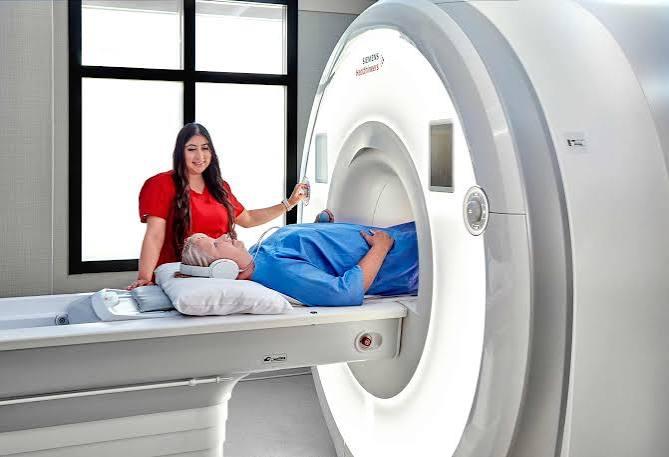
When your doctor recommends an MRI Scan in Bengaluru, it is natural to have questions about the procedure, preparation, safety, and what to expect during the appointment. MRI uses a strong magnetic field and radio waves to create detailed images of structures inside the body. Unlike X-rays and CT scans, it does not use ionizing radiation. If you are exploring MRI scan services in Bangalore, understanding the process beforehand can make your visit more comfortable and help you prepare appropriately.
What Is an MRI Scan?
Magnetic Resonance Imaging, commonly called MRI, is an advanced diagnostic imaging technique that produces detailed pictures of soft tissues and other structures within the body. It can provide valuable information about areas such as the brain, spine, joints, muscles, abdomen, and certain blood vessels.
An MRI Scan in Bengaluru may be recommended when a healthcare professional needs detailed images to investigate symptoms, assess an injury, monitor a known condition, or gather additional information after another examination.
The exact type of MRI depends on the part of the body being examined and the clinical reason for the scan.
When Might Your Doctor Recommend an MRI?
MRI can be useful for evaluating many different conditions because of its ability to produce high-resolution images of soft tissues.
Common Reasons for MRI Imaging
Depending on the patient's symptoms and medical history, an MRI may be considered for:
-
Persistent or unexplained pain
-
Certain brain or neurological symptoms
-
Spinal problems
-
Joint and ligament injuries
-
Muscle or soft-tissue concerns
-
Assessment of certain abdominal or pelvic conditions
-
Monitoring specific medical conditions
An MRI is not automatically the right test for every symptom. Your doctor will determine whether it is appropriate based on your individual circumstances.
How Does an MRI Examination Work?
During an MRI Scan in Bengaluru, the patient usually lies on a movable examination table. The table gradually moves into the MRI scanner, which has a large central opening.
You will generally need to remain still while the images are captured. Depending on the body part being examined, the technician may use a specialized device called a coil around or near the area being scanned.
The scanner can produce loud tapping, knocking, or humming sounds during image acquisition. Earplugs or headphones may be provided to make the experience more comfortable.
The duration varies depending on the type of examination and the number of images required.
How Should You Prepare for an MRI?
Preparation depends on the specific examination. Some MRI studies require little or no special preparation, while others may involve dietary instructions or additional precautions.
Before your appointment, tell the imaging team if you:
-
Have a pacemaker or implanted medical device
-
Have metal fragments in your body
-
Have had previous surgeries involving implants
-
Are pregnant or may be pregnant
-
Have significant anxiety about enclosed spaces
-
Have been advised to receive contrast material
It is important to provide complete information because MRI uses a powerful magnetic field. Certain metallic objects and implanted devices may require special consideration.
What Should You Wear?
Comfortable clothing without excessive metal components is generally convenient. You may be asked to remove jewellery, watches, hair accessories, or other metallic objects before entering the examination area.
The imaging team will explain what needs to be removed before the scan.
What About Contrast-Enhanced MRI?
Some examinations may require a contrast agent to make particular tissues or abnormalities easier to visualize. Whether contrast is necessary depends on the clinical question and the type of MRI being performed.
If contrast is recommended, inform the healthcare team about relevant allergies, kidney problems, previous reactions to contrast agents, or other medical concerns. The imaging staff can provide specific instructions based on your situation.
Choosing an MRI Facility in Bengaluru
When searching for an MRI Scan in Bengaluru, location is important, but it should not be the only consideration. A convenient centre can make scheduling easier, particularly if you need follow-up examinations.
Before booking, consider:
-
Whether the required MRI examination is available
-
Appointment timings
-
Accessibility and location
-
Instructions for patient preparation
-
Availability of trained imaging professionals
-
Expected reporting timelines
-
Whether you need to bring previous medical records
You can also ask the facility what documents or prescriptions you should carry on the day of your appointment.
Making Your MRI Appointment More Comfortable
If you feel nervous about an MRI Scan in Bengaluru, discuss your concerns with the healthcare team before the procedure. Knowing what will happen can make the experience easier.
During the examination, communication with the technician is usually possible through the scanner's communication system. Follow the instructions provided and remain as still as possible so that clear images can be obtained.
If you have difficulty staying in an enclosed space, mention this when scheduling the appointment rather than waiting until the examination begins.
Conclusion
An MRI Scan in Bengaluru can provide detailed information that helps healthcare professionals investigate symptoms, evaluate injuries, and monitor certain conditions. Understanding the procedure, preparation requirements, safety considerations, and appointment process can help you approach the examination with greater confidence.
Always follow the instructions provided by your doctor and imaging facility, as preparation and scanning procedures can vary depending on the examination required.
FAQs
1. Is an MRI painful?
MRI itself is generally painless. However, staying still in one position for an extended period may sometimes feel uncomfortable.
2. How long does an MRI take?
The duration varies according to the body part and type of examination. Some scans are relatively quick, while more detailed examinations can take longer.
3. Can I eat before an MRI?
It depends on the type of examination. Follow the specific preparation instructions given by your doctor or imaging facility.
4. Can people with metal implants have an MRI?
Some implants may be compatible with MRI while others may require special precautions. Always provide complete information about implants and previous surgeries before the examination.
5. What happens after the scan?
Once imaging is complete, the images are reviewed and a report is prepared. Your doctor can then explain the findings and discuss any recommended next steps.

 English
 Arabic
 French
 Spanish
 Portuguese
 Deutsch
 Turkish
 Dutch
Dutch
 Italiano
 Romaian
 Portuguese (Brazil)
 Greek
Greek