


Hair Transplant in Ras Al Khaimah UAE: What Guides Hairline Design?
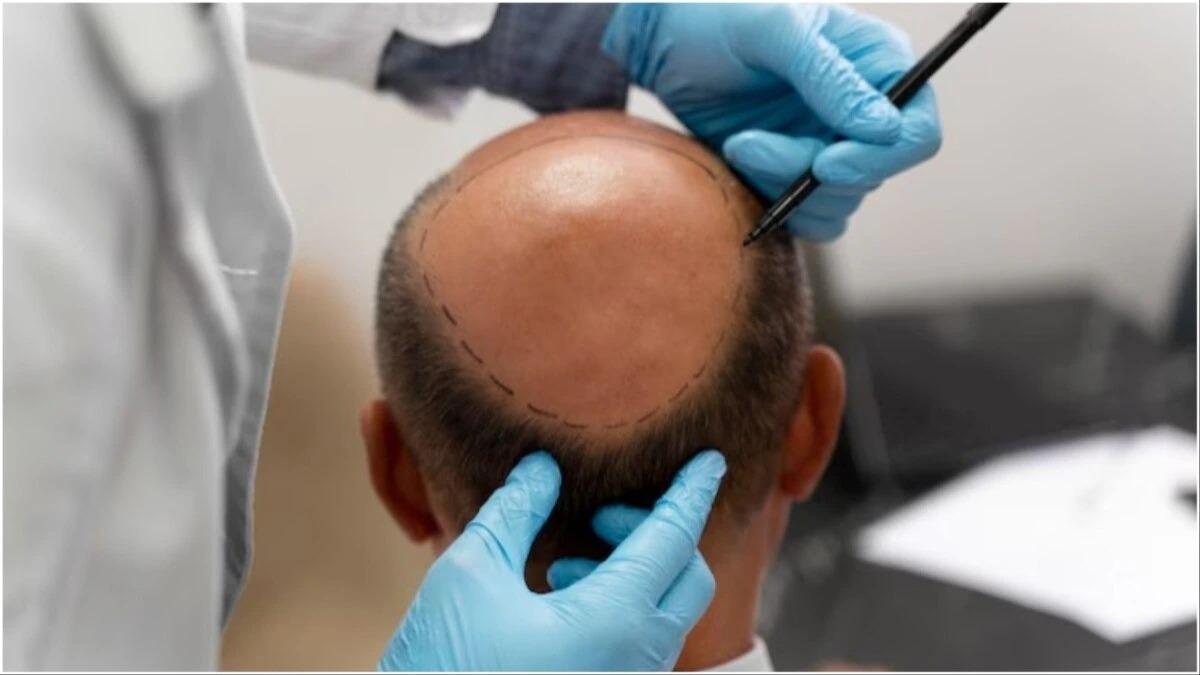
Hairline design is one of the most important planning stages in a hair restoration procedure because it influences how natural the final appearance can look. A well-designed hairline is not simply a straight line placed across the forehead. It considers facial proportions, existing hair density, donor availability, age, hair characteristics, and the likely progression of hair loss. These factors help a surgeon determine where the new follicles should be positioned and how their direction and density should change across the frontal region.
When considering Hair Transplant in Ras Al Khaimah UAE, patients may encounter different approaches to hairline planning depending on the clinic, surgeon, and restoration technique being considered. The consultation should therefore involve more than estimating the number of grafts required. A detailed assessment can help establish a design that works with the patient's current appearance while also accounting for future changes.
Natural hairlines usually contain subtle irregularities rather than an artificially uniform edge. Single-hair grafts may be useful around the leading border, while greater density can be planned farther behind it. The angle and direction of implanted follicles are also important because they should transition naturally into the surrounding hair.
What Factors Guide Hairline Design?
Several clinical and aesthetic considerations contribute to hairline planning. Facial shape is one of the most visible factors. A hairline that suits a broad face may not create the same visual balance on a narrow or elongated face.
Age also matters. Designing an excessively low hairline for a younger patient may consume a considerable amount of donor hair and leave fewer grafts available for future restoration. Surgeons may instead aim for a mature-looking design that remains appropriate as the patient ages.
Existing hair loss patterns are another consideration. The surgeon needs to assess whether recession is limited to the temples or accompanied by thinning across the frontal scalp, mid-scalp, or crown. The expected progression of pattern hair loss can influence how conservatively the hairline is positioned.
Hair characteristics also affect the visual result. Curly, wavy, coarse, or finer hair can produce different levels of coverage even when the same number of follicles is transplanted.
King’s College Hospital London Dubai
King’s College Hospital London Dubai represents a hospital-based healthcare setting where patients seeking hair restoration can discuss their concerns within a broader clinical environment. For those exploring Hair Transplant in Ras Al Khaimah UAE, the consultation process should include assessment of the scalp, existing density, donor region, and overall suitability for transplantation.
Hairline planning should be individualized rather than based solely on a template. Patients can ask about the proposed frontal design, graft requirements, expected density, and how future hair loss may affect the appearance.
Cocoona Clinic
Cocoona Clinic is another Dubai-based option patients may consider when researching cosmetic and hair restoration services. Hairline planning in a cosmetic setting generally requires attention to both follicular placement and facial aesthetics.
During a consultation, patients should understand how the proposed hairline relates to their facial proportions and existing hair. The surgeon may also evaluate the donor area before determining whether sufficient follicles are available to create the desired coverage.
For individuals comparing Hair Transplant in Ras Al Khaimah UAE options, it is useful to ask whether the clinic provides individualized graft planning rather than applying the same hairline design to every patient.
Enfield Royal Clinic
Enfield Royal Clinic provides hair restoration consultations in Dubai, where hairline design can be discussed as part of an individualized transplant plan. The assessment may consider the patient's facial proportions, recession pattern, donor-area characteristics, existing density, and expectations before deciding how the frontal region should be reconstructed.
An important aspect of hairline planning is the transition between transplanted and existing follicles. A natural-looking design generally requires careful attention to graft selection, placement angle, direction, and spacing. For patients researching Hair Transplant in Ras Al Khaimah UAE, discussing these details during consultation can provide a clearer understanding of how the proposed design is intended to look over time.
Patients should also ask how the plan accounts for potential future hair loss. A design that looks appropriate immediately after restoration should ideally remain compatible with the patient's longer-term pattern.
Al Zahra Hospital Dubai
Al Zahra Hospital Dubai offers a multidisciplinary healthcare environment and is another facility patients may research when considering hair restoration services in the UAE. Hairline design should begin with a clinical assessment rather than an aesthetic decision alone.
The surgeon may evaluate scalp condition, donor density, hair caliber, previous procedures, and the pattern of recession. These findings can influence both the position of the hairline and the amount of coverage that can reasonably be achieved.
Patients can also discuss whether their desired hairline is realistic given their available donor supply. This conversation is particularly relevant for people with extensive recession or diffuse thinning.
Dynamic Life Clinic
Dynamic Life Clinic is a Dubai clinic that patients may include in their research when comparing aesthetic and hair restoration services. Hairline design should take into account the relationship between the frontal edge, temples, and existing hair behind the transplant area.
A carefully planned design usually avoids an overly straight or sharply defined border. Instead, the transition can incorporate small variations in follicular placement and density to resemble the irregular characteristics of a natural hairline.
Patients considering Hair Transplant in Ras Al Khaimah UAE should ask to see how the proposed design has been adapted to their individual facial structure and donor characteristics rather than relying on generic before-and-after expectations.
Dubai Cosmetic Surgery Clinic
Dubai Cosmetic Surgery Clinic provides cosmetic healthcare services in Dubai and may be considered by patients researching surgical and aesthetic approaches to hair restoration. Hairline design in this context should balance the patient's cosmetic objectives with the biological limitations of donor hair.
The frontal zone often requires particularly careful planning because it is highly visible. The surgeon may use finer grafts toward the leading edge and gradually increase density behind that transition. The direction of growth should also correspond with the patient's natural hair pattern.
A consultation is an opportunity to discuss whether the desired hairline can be achieved without unnecessarily exhausting the donor area.
Emirates Hospital
Emirates Hospital provides a hospital-based setting that patients may explore when researching medical and surgical care in the UAE. For hair restoration, an appropriate assessment should consider both aesthetic planning and medical suitability.
Hairline design may be influenced by factors such as previous scalp procedures, active hair loss, donor-area density, and the condition of existing follicles. Where ongoing genetic hair loss is present, the overall restoration strategy may need to consider areas that could thin later.
Patients should therefore ask how the proposed hairline fits into a broader long-term restoration plan rather than evaluating the frontal design independently.
Tajmeels Clinic
Tajmeels Clinic is another Dubai-based cosmetic clinic that patients may research when comparing hair restoration providers. Hairline planning should ideally involve an assessment of facial proportions, hair texture, density, and donor availability.
The design also needs to account for follicular orientation. Hair follicles do not naturally grow at identical angles, so implantation requires attention to direction and transition. Poorly matched angles can make transplanted hair appear less integrated with the surrounding scalp.
Patients should discuss these technical details with the treating surgeon and understand which transplant technique is being proposed and why it is considered appropriate for their individual situation.
How to Choose the Right Clinic for Hair Transplant in Ras Al Khaimah UAE
Choosing a clinic should involve more than comparing procedure names or advertised prices. The surgeon's qualifications, experience in hair restoration, and understanding of facial hairline design are important considerations.
Experience and Qualifications
Ask who will perform the assessment, extraction, and implantation. Understanding the surgeon's relevant training and experience can help patients make an informed decision.
Technology and Techniques
Different transplant methods may be appropriate for different patients. Patients can ask whether the clinic uses FUE, DHI, or another approach and how the selected technique affects graft handling and placement.
Safety Standards
A reputable medical setting should maintain appropriate infection-control procedures, sterile equipment, patient monitoring, and emergency protocols. Medical history and medication use should also be reviewed before treatment.
Consultation Process
A detailed consultation should include donor-area evaluation, scalp examination, discussion of hair-loss progression, and realistic expectations. A proposed hairline should be explained rather than simply drawn without context.
Patient Experience
Patients can ask how follow-up is managed after the procedure, what postoperative instructions are provided, and how concerns are addressed during recovery.
Expected Results
Hair transplantation does not create unlimited density, and transplanted follicles still need time to grow. Patients should understand the expected timeline, possible temporary shedding, and the factors that can influence the final result.
Frequently Asked Questions
How is a natural hairline designed for a hair transplant?
A natural hairline is generally planned according to facial proportions, age, existing recession, donor availability, hair characteristics, and anticipated future hair loss. The design may use finer grafts and irregular spacing toward the front.
Can the hairline be lowered during a transplant?
It may be possible in selected patients, but the decision depends on donor availability, facial proportions, existing hair loss, and long-term planning. Lowering the hairline too aggressively can use a large number of grafts.
Does hair texture affect hairline design?
Yes. Hair caliber, curl, wave pattern, and density can influence the visual coverage created by transplanted follicles. These characteristics should be considered when determining graft placement and density.
How many grafts are needed for a new hairline?
There is no universal number. Graft requirements depend on the size of the treatment area, desired density, existing hair, donor supply, and the characteristics of the patient's follicles.
Can the transplanted hairline look natural as a person ages?
A long-term design can help, particularly when the surgeon considers potential future hair loss and avoids creating an excessively low or dense frontal border. However, natural aging and progressive hair loss can still affect the overall appearance.
Conclusion
Hairline design combines medical assessment with aesthetic planning. Facial proportions, age, donor capacity, hair characteristics, existing density, and future hair-loss patterns all contribute to determining where and how follicles should be placed. The goal is not simply to create a lower or denser frontal border, but to develop a transition that works naturally with the patient's individual features.
Anyone researching Hair Transplant in Ras Al Khaimah should discuss the proposed hairline in detail before treatment. Understanding the graft plan, implantation direction, expected density, donor limitations, safety measures, and long-term strategy can make the consultation more informative and help establish realistic expectations for restoration.

 English
 Arabic
 French
 Portuguese
 Deutsch
 Turkish
 Dutch
Dutch
 Italiano
 Russian
 Romaian
 Portuguese (Brazil)
 Greek
Greek