


10 Essential Steps to Start an Import and Export Business
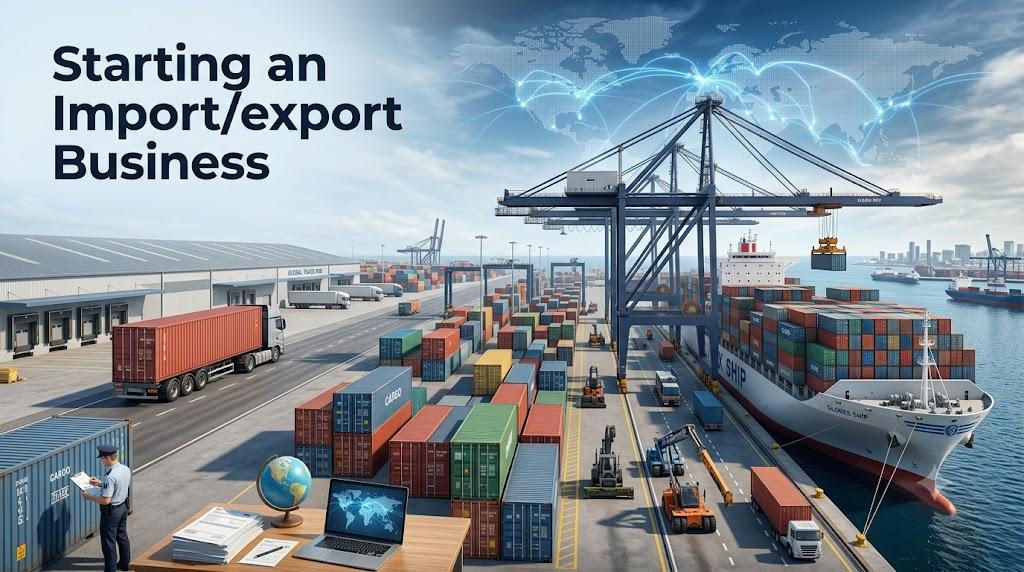
Starting a successful import and export business requires selecting a high-demand product niche, establishing legal compliance, securing reliable overseas suppliers, and building an agile international logistics network. Global trade creates massive opportunities for entrepreneurs who understand supply chain dynamics, customs protocols, and international market demands.
Beyond managing cross-border shipping documentation and trade financing, modern trading houses need an accessible digital gateway to showcase procurement capabilities. Deploying a structured import and export template allows cross-border merchants to present product catalogs, verify trade licenses, and capture bulk quotation requests from overseas buyers seamlessly.
1. Select Your Product Niche and Conduct Market Research
Choosing a profitable import-export niche begins by analyzing international trade flows, tariff schedules, and unmet consumer demand in target jurisdictions. Entrepreneurs must balance product marketability against regulatory complexity and shelf-life limitations before committing capital.
A thorough market validation strategy relies on several analytical checkpoints:
- Trade Data Analysis: Review regional trade balances using United Nations Comtrade statistics and international import indices to spot rising product categories.
- Price Arbitrage Assessment: Calculate landed costs, domestic retail margins, and competing wholesale prices to confirm sufficient profit margins.
- Regulatory Burden Review: Check whether products face non-tariff barriers, quarantine restrictions, or mandatory testing certifications before placing manufacturing orders.
Selecting high-margin, shelf-stable goods reduces inventory spoilage risks and gives newly formed merchant firms room to navigate early shipping delays.
2. Establish a Compliant Business Entity and Tax Structure
Forming a legally compliant business entity shields founders from cross-border liabilities and satisfies banking compliance checks for cross-border currency transactions. Operating without a registered limited liability entity exposes business founders to significant commercial risks during global shipping disputes.
Key administrative steps include:
- Entity Registration: Form a registered corporation or LLC to establish clear organizational liability and contract validity.
- Tax Identification: Secure formal federal tax identification numbers to facilitate corporate banking and customs filing.
- Global Banking Relationships: Open multi-currency corporate bank accounts with institutions equipped to handle foreign exchange hedging, telegraphic transfers, and multi-currency balances.
A clean corporate foundation prevents regulatory interruptions when moving funds through international clearance clearinghouses.
3. Obtain Necessary Export-Import Licenses and Permits
Import and export operations require registration with local customs authorities and obtaining mandatory international trade registration identifiers. Customs officers routinely impound commercial consignments lacking the appropriate permit codes or business registration identifiers.
Exporters and importers must secure fundamental compliance approvals:
- Import Export Code (IEC) or EORI Number: Register with regional foreign trade directorates to receive unique commercial tracking codes for international customs declarations.
- Specialized Commodity Permits: Obtain industry-specific permits from food safety administrations, agricultural departments, or environmental agencies when dealing with regulated goods.
- Export Controls and Sanctions Checks: Screen potential trade destinations against international restricted-party lists and export-control classifications.
Clearing these legal hurdles early prevents freight detention, high demurrage penalties, and customs seizures at destination marine terminals.
4. Launch a Professional Trade Portal Using an Import and Export Website Template
International buyers and institutional suppliers verify corporate legitimacy by reviewing a merchant's digital infrastructure and verification records. Utilizing an enterprise-grade import and export business website template enables trade agencies to organize multilingual catalogs, port delivery details, and formal request-for-quotation (RFQ) pipelines on an accessible web platform.
A purpose-designed import and export template provides essential operational benefits:
- Inquiry Gateways: Structured RFQ forms capture precise buyer requirements, including target volumes, destination ports, and delivery deadlines.
- Digital Specification Sheets: High-resolution product spec sheets, testing certifications, and packaging dimensions remain accessible across global time zones.
- Global Trust Verification: Clear display areas for ISO certifications, chamber of commerce memberships, and export registrations build immediate credibility with foreign buyers.
An intuitive web platform acts as your global showroom, engaging commercial procurement officers who research new vendors outside standard business hours.
5. Source Vetted Overseas Manufacturers and Suppliers
Building a durable trading business depends on securing dependable factories capable of meeting strict production schedules and rigorous quality standards. Relying on unverified brokers risks receiving substandard batches that lead to shipment rejection by customs inspectors.
Practical supplier qualification requires systematic vetting:
- On-Site Factory Audits: Retain accredited third-party inspection firms to audit manufacturing premises, labor conditions, and machinery capacities.
- Pre-Production Sampling: Request detailed pre-production product samples to evaluate materials, structural tolerance, and industrial finishing against project benchmarks.
- Escrow-Based Sample Payments: Use structured trade escrow services or credit cards to fund sample runs, avoiding unsecured wire transfers to unverified accounts.
Securing primary and secondary manufacturing sources protects your order fulfillment if one facility encounters regional production halts.
6. Master Incoterms to Manage Commercial Shipping Liabilities
Applying International Commercial Terms (Incoterms 2020) defines the exact point where operational costs and transport risks transfer from the seller to the buyer. Misunderstanding Incoterms causes costly legal disputes when cargo experiences damage or delays during multimodal ocean transit.
Common Incoterms in global procurement include:
- FOB (Free on Board): The seller clears export documentation and loads goods onto the designated vessel, leaving maritime freight costs and ocean transit risk to the buyer.
- CIF (Cost, Insurance, and Freight): The seller covers ocean shipping freight and baseline transit insurance to the destination port, though cargo damage risks transfer once loaded aboard.
- DDP (Delivered Duty Paid): The seller assumes complete operational responsibility, paying all maritime freight, local customs tariffs, destination terminal charges, and final ground transport.
Clearly stipulating chosen Incoterms inside supply contracts eliminates ambiguity regarding which party covers unexpected transit fees or inspection holds.
7. Build Relationships With Global Freight Forwarders
Partnering with licensed freight forwarders and customs brokers simplifies container booking, multimodal transfers, and terminal documentation management. Forwarders leverage their consolidated shipping volume to negotiate competitive container rates with ocean carriers and air-freight consolidators.
Key capabilities to look for in a forwarder include:
- Customs Clearance Expertise: Brokers prepare accurate Harmonized System (HS) code filings, bill of lading documentation, and commercial invoices to avoid border delays.
- Multimodal Routing Flexibility: Forwarders coordinate smooth transitions between rail links, sea containers, and dry-van trucking lines.
- Cargo Insurance Coverage: Marine cargo policies protect high-value inventory against total loss, water damage, and General Average maritime declarations.
Trading houses frequently detail these routing options on an informative logistics and export website theme, helping overseas clients track freight capabilities and typical container transit times.
8. Structure Secure International Trade Finance Instruments
International trade transactions demand specialized payment mechanisms that protect sellers against non-payment while reassuring buyers that merchandise matches agreed specifications. Open-account trading exposes new exporters to high non-payment risks across unfamiliar foreign legal jurisdictions.
Established trade finance instruments mitigate payment default risks:
- Irrevocable Letters of Credit (LC): Issuing commercial banks guarantee payment to the exporter once the seller presents conforming shipping bills and clean inspection certificates.
- Documentary Collections: Exporter banks transfer title documents to buyer banks, releasing bills of lading only after payment clearance or accepted promissory notes.
- Export Credit Insurance: Government export-import banks provide accounts-receivable insurance, protecting local sellers against foreign buyer insolvency or political instability.
Structuring safe financing terms protects company operating cash flow and provides the capital flexibility needed to finance larger subsequent shipments.
9. Implement Strict Pre-Shipment Quality Control Protocols
Conducting rigorous pre-shipment inspections prevents non-conforming or broken goods from ever leaving the manufacturing country. Once a container departs overseas, returning defective merchandise or claiming compensation from foreign manufacturers becomes extremely difficult and expensive.
Essential quality control interventions include:
- During-Production Checks (DUPRO): Inspectors evaluate the initial twenty percent of manufactured units to correct structural defects before final assembly is completed.
- Final Random Inspections (FRI): Third-party inspectors draw statistically valid sample sizes using ISO 2859 AQL standards to test functional performance and packaging durability.
- Container Loading Supervision: Technicians verify that container seals match bill of lading numbers, inspecting pallets for proper banding and desiccants to prevent moisture damage during ocean voyages.
Maintaining uncompromising quality control protects brand reputation and prevents expensive customs rejections at destination ports.
10. Scale Through Long-Term Trade Relationships and Digital Reach
Sustaining long-term profitability in cross-border trade requires cultivating lasting relationships with overseas buyers, regional distributors, and reliable logistics partners. Expanding trade volume lowers per-unit transport expenses, allowing agile trading houses to offer better terms to long-term clients.
Proactive merchant companies expand market reach through ongoing initiatives:
- Attending International Trade Fairs: Exhibit at global trade expos like the Canton Fair or Gulfood to meet regional buyers and explore adjacent product categories.
- Publishing Up-to-Date Port Insights: Maintain dynamic trade advisories and commodity updates using an authoritative global trading company template, establishing your agency as a knowledgeable trade authority.
- Continuous Contract Renegotiation: Leverage growing container volumes to secure preferential ocean freight rates and lower manufacturing unit costs.
Combining disciplined compliance management with a modern digital storefront turns a specialized trading agency into an enduring global enterprise.
Launching Your Global Trade Operation With Confidence
Establishing a successful import-export business demands rigorous attention to international trade law, freight logistics, customs protocols, and strategic supplier relationships. By completing thorough market validation, selecting suitable Incoterms, and implementing pre-shipment inspections, trade founders build a resilient operational foundation capable of handling global supply chain shifts.
Supporting these physical operations with a streamlined, responsive import and export website template ensures your firm presents its global capabilities with authority. Pairing meticulous trade execution with an accessible digital storefront allows cross-border entrepreneurs to capture profitable global trade opportunities and build lasting commercial partnerships worldwide.

 English
 Arabic
 French
 Spanish
 Portuguese
 Deutsch
 Dutch
Dutch
 Italiano
 Russian
 Romaian
 Portuguese (Brazil)
 Greek
Greek