


Oxygen Therapy at Home for Seniors: Safety, Comfort, and Monitoring
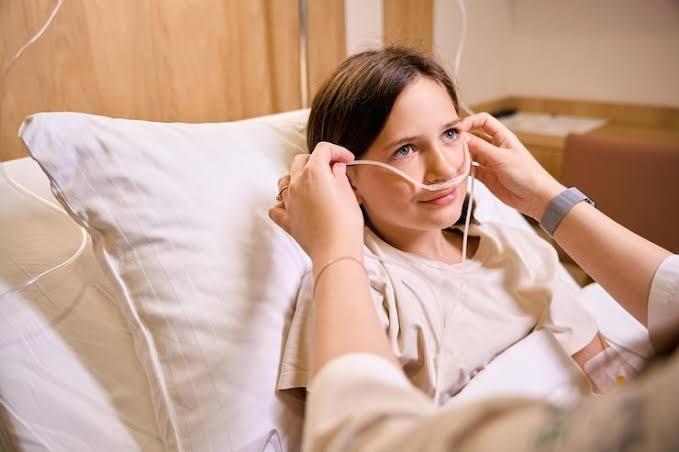
As people age, certain respiratory conditions and health challenges may lead to a need for supplemental oxygen as part of a prescribed treatment plan. Oxygen Therapy At Home In Dubai can allow seniors to receive oxygen support in a familiar environment while maintaining a comfortable daily routine. With guidance from Doctor at Home, families and caregivers can better understand oxygen equipment, safety precautions, monitoring requirements, and practical ways to support an older adult. Proper planning and consistent care can make home oxygen therapy easier to manage while helping seniors follow their healthcare provider's instructions.
Why Seniors May Need Oxygen Therapy:
Older adults may require supplemental oxygen because of chronic respiratory conditions, recovery after illness, reduced lung function, or other medical conditions that affect oxygen levels. Oxygen therapy is prescribed after appropriate medical assessment and should be used according to the individual's treatment plan. Not every senior with breathing difficulties requires oxygen, so the need for therapy should be determined by a qualified healthcare professional using the patient's symptoms, medical history, and appropriate measurements.
Understand the Senior’s Oxygen Prescription:
Family members and caregivers should know exactly how oxygen has been prescribed. The prescription may include a specific flow rate and instructions about whether oxygen should be used continuously, during physical activity, while resting, or during sleep. Seniors should not change the oxygen flow rate themselves, even if they feel more breathless or believe that additional oxygen might help. Any concerns about the prescribed amount should be discussed with the treating healthcare professional.
Choose an Appropriate Oxygen Setup:
The oxygen equipment used at home depends on the patient's medical requirements and prescription. Common options may include oxygen concentrators, oxygen cylinders, portable oxygen systems, nasal cannulas, and masks. Seniors and caregivers should receive clear instructions about the equipment before regular use. The setup should be easy to access without creating unnecessary obstacles around the home.
Create a Safe Home Environment:
Safety becomes especially important when an older adult is using oxygen equipment. Oxygen supports combustion, so smoking and open flames must be kept away from the oxygen setup. Caregivers should also consider the senior's mobility and fall risk when arranging tubing and equipment.
Important home safety measures include:
- Keep oxygen away from cigarettes and smoking materials
- Avoid candles, fireplaces, and open flames near oxygen
- Keep equipment away from inappropriate heat sources
- Secure cylinders according to supplier instructions
- Keep tubing organized and away from walking paths
- Make sure caregivers and visitors understand oxygen safety rules
Prevent Trips and Falls:
Seniors may already have difficulty with balance or mobility, and oxygen tubing can create an additional tripping hazard. Caregivers should arrange tubing carefully and keep frequently used areas uncluttered. Furniture placement, lighting, and clear pathways can also help reduce unnecessary risks. If the senior uses portable oxygen outside the bedroom or living area, caregivers should ensure that the equipment is handled according to its instructions.
Make Oxygen Therapy Comfortable:
Comfort can influence how well a senior follows a prescribed oxygen routine. Nasal cannulas and masks may feel unusual at first, and some patients may experience dryness or mild irritation. Proper positioning and regular equipment care can help improve comfort. Persistent irritation, pressure marks, or other problems should be reported to a healthcare professional so that appropriate solutions can be considered without interrupting prescribed treatment.
Monitor Oxygen Levels as Advised:
Some seniors may be instructed to monitor oxygen saturation with a pulse oximeter. Caregivers can help take readings correctly and record them when monitoring has been recommended. The patient's healthcare provider should establish what readings are expected for that individual. A pulse oximeter reading should not be used by caregivers to independently change the oxygen flow rate.
Factors that may affect a reading include:
- Cold fingers
- Movement during measurement
- Poor circulation
- Incorrect device positioning
- Nail products or other measurement interference
If readings are repeatedly outside the patient's advised range or are accompanied by concerning symptoms, caregivers should contact the healthcare team.
Observe Changes in Breathing:
Seniors receiving oxygen therapy should be observed for changes in their usual breathing pattern and overall condition. Caregivers who know the patient's normal routine may notice changes such as increased breathlessness, unusual tiredness, reduced activity, or difficulty completing familiar tasks. These changes should be communicated to the patient's healthcare provider, particularly if they persist or worsen.
Recognize Symptoms That Need Urgent Attention:
Oxygen therapy is only one part of a patient's overall medical care. New or severe symptoms should not automatically be attributed to the oxygen equipment. Sudden or severe breathing difficulty, chest pain, fainting, significant confusion, or rapid deterioration requires urgent medical evaluation.
Caregivers should take particular notice of:
- Sudden changes in breathing
- Severe or worsening shortness of breath
- Chest discomfort or pain
- Fainting or loss of consciousness
- New significant confusion
- Severe weakness or deterioration
Support Medication and Treatment Routines:
Many seniors using oxygen also take medications or follow other treatment plans. Caregivers can help organize medication schedules and medical appointments while keeping oxygen therapy integrated into the overall care routine. A written schedule can be useful for seniors who have multiple daily treatments. Medication doses should only be changed according to professional medical instructions.
Encourage Appropriate Daily Activity:
Depending on their medical condition, seniors may be able to continue selected daily activities while receiving oxygen. Caregivers can support safe movement by helping organize portable oxygen equipment when prescribed and keeping pathways clear. Activities should remain within the limits recommended by the healthcare provider. Rest periods can be included between activities to help manage fatigue.
Support Sleep and Nighttime Oxygen Use:
Some seniors may need supplemental oxygen during sleep. Caregivers can help establish a consistent bedtime routine and check that the prescribed equipment is positioned appropriately before the senior goes to sleep. Tubing should be arranged to reduce entanglement and tripping risks. If the senior develops new nighttime breathing difficulties or repeatedly struggles with the equipment, the healthcare provider should be informed.
Maintain Oxygen Equipment Properly:
Regular equipment maintenance can help keep oxygen therapy organized and reliable. Caregivers should follow the instructions provided by the equipment manufacturer and healthcare team. Tubing, masks, nasal cannulas, and other components should be cleaned or replaced according to recommended procedures.
A simple equipment routine can include:
- Checking tubing for damage or kinks
- Inspecting connections
- Keeping equipment clean as instructed
- Checking oxygen supplies regularly
- Replacing components according to recommendations
- Reporting equipment problems promptly
Prepare for Equipment or Power Problems:
If a senior depends on an electrically powered oxygen concentrator, families should discuss an appropriate backup plan with the healthcare provider and oxygen supplier. The correct backup arrangement depends on the patient's oxygen requirements and equipment. Caregivers should know whom to contact if the equipment stops functioning and should keep relevant contact information readily available.
Provide Emotional Support and Reassurance:
Using oxygen equipment can sometimes make seniors feel self-conscious, dependent, or worried about participating in normal activities. Family members can help by maintaining a supportive attitude and allowing seniors to remain involved in appropriate daily decisions. Encouraging independence while providing assistance when needed can help preserve dignity and confidence.
Schedule Regular Medical Reviews:
A senior's oxygen needs may change over time. Regular medical reviews allow healthcare professionals to assess the patient's condition and determine whether the existing oxygen plan remains appropriate. Caregivers can bring records of oxygen saturation readings, symptoms, equipment concerns, and changes in daily activities to these appointments. Any adjustment to oxygen flow or duration should be made under professional guidance.
Consider Professional Home Care Support:
Some seniors may benefit from additional assistance with oxygen therapy, particularly when they have limited mobility or require help with several aspects of daily care. Professional home healthcare support can help patients and caregivers understand equipment use, maintain an organized routine, observe relevant changes, and follow the established treatment plan. This support can work alongside regular medical appointments and family caregiving.
Final Thoughts:
Oxygen Therapy At Home In Dubai can provide seniors with prescribed respiratory support while allowing them to remain in a familiar home environment. Safe oxygen use requires careful attention to the prescription, equipment, fire prevention, fall prevention, comfort, and monitoring. Family members and caregivers can make daily care easier by maintaining a consistent routine, observing changes in the senior's condition, and communicating concerns promptly. With appropriate medical guidance and professional support when needed, seniors can manage their oxygen therapy as part of a structured and individualized home healthcare plan.

 Arabic
 French
 Spanish
 Portuguese
 Deutsch
 Turkish
 Dutch
Dutch
 Italiano
 Russian
 Romaian
 Portuguese (Brazil)
 Greek
Greek