


How Many Times a Day Should I Brush My Dental Implant?
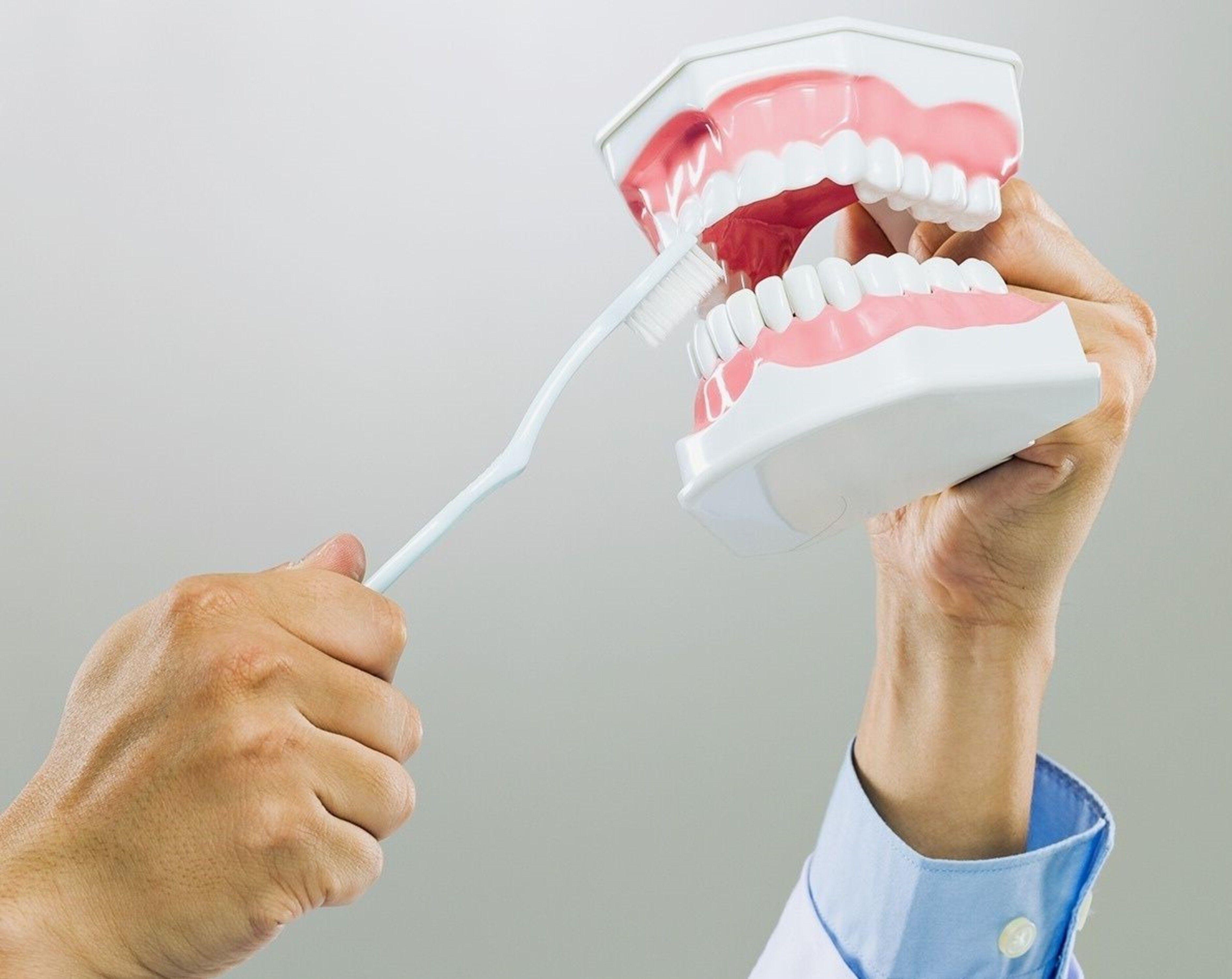
When researching Dental Implants Near Me, one of the most important things to understand is that receiving a dental implant does not mean you can stop following a regular oral hygiene routine. Although an implant-supported tooth is different from a natural tooth, the surrounding gums and tissues still need daily care. For most people, brushing twice a day is an important part of maintaining good oral hygiene and keeping the area around a dental implant clean.
Why Do Dental Implants Need Regular Cleaning?
Dental implants are designed to replace missing teeth and can provide a stable, natural-looking solution. However, an implant does not exist separately from the rest of the mouth. The gums and bone surrounding it remain living tissue and can be affected by plaque and bacteria.
Plaque is a sticky layer of bacteria that develops naturally on teeth and around dental restorations. If it is not removed regularly, it can contribute to gum inflammation and other oral health problems.
This is why cleaning around an implant is just as important as cleaning natural teeth. A consistent routine can help remove plaque before it has an opportunity to accumulate around the gumline.
How Many Times Should You Brush?
For most adults, brushing twice a day is a suitable general recommendation. Ideally, brushing should take place once in the morning and once before going to bed.
Each brushing session should last approximately two minutes. Rather than concentrating only on the visible surface of the implant-supported tooth, gently clean all surfaces of the teeth and pay attention to the gumline.
Brushing more frequently is not necessarily better. Using too much pressure or brushing aggressively can irritate the gums. A gentle and thorough technique is generally more useful than simply increasing the number of times you brush.
Can You Use an Electric Toothbrush?
Yes. An electric toothbrush can be used to clean around a dental implant. Some people find electric toothbrushes helpful because they provide consistent brushing movements and may include timers or pressure sensors.
A soft-bristled brush head is generally a good choice. When cleaning around an implant, use gentle pressure and allow the toothbrush to do most of the work.
The goal is to remove plaque effectively without irritating the surrounding gum tissue.
If an implant has recently been placed, however, brushing instructions may be different during the healing period. The surgical area may need special attention, so it is important to follow the specific aftercare instructions provided after treatment.
Is Brushing Enough?
Brushing twice a day is an important foundation of oral hygiene, but it does not clean every part of the mouth equally well.
The spaces between teeth can be difficult for toothbrush bristles to reach. Depending on the position of an implant, plaque and food particles may also collect around areas that are difficult to access with a conventional toothbrush.
For this reason, cleaning between the teeth is an important addition to brushing. Dental floss, interdental brushes, or a water flosser may be appropriate depending on the individual's dental needs.
The best method can vary according to the type and position of the implant and any other dental restorations present.
Dental Implants and Everyday Oral Hygiene
A good implant-care routine does not have to be complicated. The basic principles are similar to those used for maintaining natural teeth.
Brush twice daily with fluoride toothpaste and a soft-bristled toothbrush. Clean between the teeth regularly and pay attention to the gumline. It is also useful to limit frequent consumption of sugary foods and drinks, as these can contribute to plaque-related dental problems.
Even though an artificial implant-supported tooth itself cannot develop a cavity in the same way as a natural tooth, the natural teeth surrounding it still can. Maintaining the health of the entire mouth therefore remains important.
What About People Wearing Clear Aligners?
Oral hygiene is also an important consideration for people using orthodontic appliances. Someone researching Invisalign North London, for example, may be interested in how clear aligners affect their everyday dental-care routine.
Clear aligners are removable, which allows people to brush and clean between their teeth before replacing the aligners. Keeping teeth clean before putting an aligner back in can help reduce the amount of food debris and bacteria trapped against the teeth.
Whether someone has an implant, clear aligners, or simply natural teeth, regular brushing and interdental cleaning remain important components of everyday oral hygiene.
How Should You Brush Around an Implant?
Technique can make a significant difference. Start by using a soft-bristled toothbrush and a small amount of fluoride toothpaste.
Hold the toothbrush at a comfortable angle toward the gumline and use gentle movements. Make sure you clean the front, back, and chewing surfaces of the teeth.
When brushing near an implant, there is no need to apply excessive pressure. A common misconception is that harder brushing provides better cleaning, but aggressive brushing can irritate the gums and may contribute to gum recession over time.
An electric toothbrush with a pressure sensor can be useful for people who tend to brush too firmly.
What Symptoms Should You Watch For?
Regular cleaning is important, but it is also useful to pay attention to changes around a dental implant.
Symptoms that deserve professional assessment can include persistent swelling, redness, bleeding, discomfort, unusual discharge, or changes in how an implant-supported restoration feels.
Occasional minor irritation does not automatically mean that there is a serious problem. However, persistent or worsening symptoms should not be ignored.
Regular dental examinations allow oral-health professionals to assess the condition of the implant, surrounding gums, and other structures in the mouth.
Does an Implant Need Professional Maintenance?
Yes. Daily brushing and interdental cleaning are essential, but they do not replace professional dental care.
During routine dental appointments, the condition of the implant and surrounding tissues can be monitored. Professional cleaning can also help remove deposits that are difficult to eliminate with normal brushing.
The recommended frequency of dental visits varies from person to person. People with implants may require particular monitoring depending on their oral-health history and individual circumstances.
What Is a Simple Daily Routine?
A straightforward routine can make implant care easier to maintain:
- Brush your teeth twice a day for around two minutes.
- Use a soft-bristled toothbrush and gentle pressure.
- Clean between your teeth regularly.
- Pay particular attention to the gumline and areas around the implant.
- Follow any specific instructions provided after implant treatment.
- Attend regular dental examinations.
- Report persistent changes such as swelling, bleeding, or discomfort.
Consistency is more important than using complicated products or techniques.
Final Thoughts
A dental implant can become an important part of restoring everyday oral function, but it still requires regular maintenance. For most people, brushing twice a day is an appropriate starting point for keeping the implant-supported tooth and surrounding teeth clean.
However, brushing is only one part of oral hygiene. Cleaning between the teeth, maintaining healthy eating habits, and attending regular dental examinations can also contribute to long-term oral health.
If you have recently received a dental implant, remember that your individual aftercare instructions may differ from general recommendations. Following professional guidance during the healing process is particularly important.
Ultimately, good implant care is less about brushing as often as possible and more about developing a consistent, gentle, and thorough oral hygiene routine.

 English
 Arabic
 French
 Spanish
 Portuguese
 Deutsch
 Turkish
 Dutch
Dutch
 Italiano
 Russian
 Portuguese (Brazil)
 Greek
Greek