


Custom Mobile Apps vs. SaaS Platforms: What’s Right for Your Business?
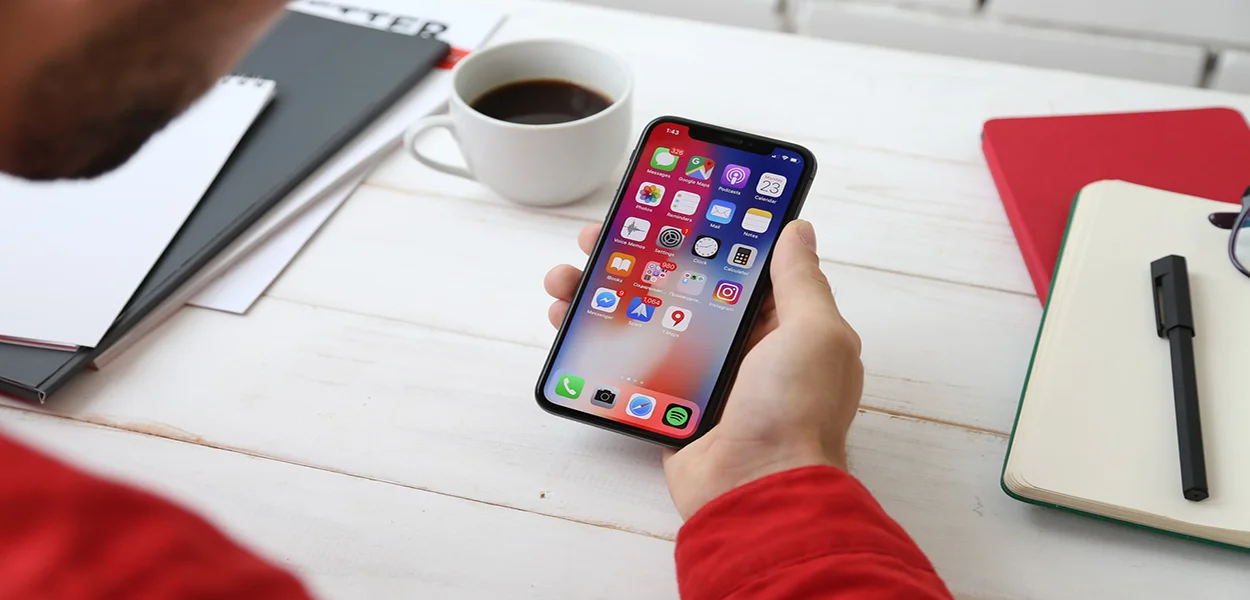
In today’s fast-moving digital world, businesses must choose the right technology model to stay competitive. One of the most common dilemmas companies face is whether to invest in custom mobile app development services or rely on ready-made SaaS platforms.
Both options offer unique advantages, but the right choice depends on your business goals, scalability needs, budget, and long-term strategy. In this comprehensive guide, we’ll break down the differences, benefits, limitations, and ideal use cases to help you make an informed decision.
Understanding Custom Mobile Apps
Custom mobile apps are built specifically for your business requirements from scratch. These apps are tailored to your workflows, branding, customer experience, and operational needs. Businesses typically partner with an experienced enterprise app development company to design, develop, test, and deploy such applications.
Unlike generic software, custom apps give you complete ownership and control over features, integrations, and data.
Key Characteristics of Custom Mobile Apps
-
Fully customized UI/UX
-
Tailored backend architecture
-
Seamless integration with internal systems
-
High-level data security controls
-
Scalability aligned with business growth
-
Ownership of code and infrastructure
Custom apps are commonly developed for industries like healthcare, fintech, logistics, eCommerce, and enterprise automation where standard solutions often fall short.
Understanding SaaS Platforms
SaaS (Software as a Service) platforms are ready-made software solutions hosted in the cloud and accessed through subscriptions. Popular SaaS examples include:
-
Shopify
-
Salesforce
-
Slack
-
HubSpot
These platforms provide standardized features designed to serve a broad user base.
Key Characteristics of SaaS Platforms
-
Subscription-based pricing
-
Quick deployment
-
Regular automatic updates
-
Limited customization
-
Shared infrastructure
-
Vendor-controlled roadmap
SaaS platforms are ideal for startups and SMEs looking for quick implementation without heavy upfront investment.
Custom Mobile Apps vs. SaaS Platforms: Detailed Comparison
Let’s compare both options across key business factors.
1. Cost Considerations
SaaS Platforms
-
Low upfront cost
-
Monthly or annual subscription fees
-
Costs increase as user base grows
-
Add-ons and integrations may cost extra
SaaS appears affordable initially but can become expensive long term, especially for large teams.
Custom Mobile Apps
-
Higher initial investment
-
No recurring subscription fees
-
Long-term ROI improves over time
-
Predictable maintenance costs
While custom mobile app development services require upfront capital, they often deliver stronger long-term value, especially for growing enterprises.
2. Customization & Flexibility
SaaS
SaaS tools offer limited customization. You must adapt your processes to the platform’s framework. Advanced customization may require expensive enterprise plans or third-party plugins.
Custom Mobile Apps
With custom development:
-
Every feature aligns with your workflow
-
Unique user journeys can be designed
-
Industry-specific compliance requirements can be integrated
-
You’re not limited by pre-built templates
An experienced enterprise app development company ensures your app evolves alongside your business needs.
Winner: Custom Mobile Apps
3. Scalability
SaaS
SaaS platforms scale technically, but:
-
Pricing increases significantly with growth
-
Advanced features may require premium tiers
-
Performance may depend on shared infrastructure
Custom Mobile Apps
Custom apps are built with scalability in mind:
-
Architecture can handle user growth
-
Infrastructure can be cloud-optimized
-
Features can be added without dependency on vendor limitations
For fast-growing businesses, custom mobile app development services provide more scalable foundations.
4. Security & Data Ownership
Data security is critical, especially for enterprises handling sensitive information.
SaaS
-
Data is hosted on vendor servers
-
Security standards depend on provider
-
Limited control over backend architecture
-
Compliance may be restricted to provider capabilities
Custom Mobile Apps
-
Full control over hosting environment
-
Advanced encryption implementation
-
Industry-specific compliance (HIPAA, GDPR, etc.)
-
Controlled user access management
Businesses requiring strict data governance often prefer working with an enterprise app development company for complete ownership and protection.
5. Time to Market
SaaS
-
Ready to use
-
Setup takes hours or days
-
Ideal for quick launches
Custom Mobile Apps
-
Development timeline ranges from 3–9 months
-
Requires planning, testing, and deployment phases
If speed is your primary concern, SaaS wins. However, if long-term competitive advantage matters more, custom development becomes worthwhile.
6. Competitive Advantage
SaaS
Using a SaaS platform means:
-
Competitors may use the same tool
-
Limited differentiation
-
Similar feature sets across businesses
Custom Mobile Apps
Custom apps allow:
-
Unique customer experience
-
Innovative features
-
Brand-focused design
-
Proprietary systems competitors can’t replicate
If your business strategy revolves around innovation, custom mobile app development services offer stronger differentiation.
When Should You Choose SaaS?
SaaS platforms are ideal if:
-
You are a startup with limited capital
-
Your requirements are simple and standard
-
You need quick deployment
-
You don’t require deep customization
-
Your team is small
For example, early-stage eCommerce businesses often start with Shopify before transitioning to custom solutions as they scale.
When Should You Choose Custom Mobile App Development?
Custom mobile apps are better if:
-
Your workflows are complex
-
You need industry-specific compliance
-
Security is a top priority
-
You plan long-term scaling
-
You want full ownership of technology
-
You aim for strong competitive differentiation
Partnering with a reliable enterprise app development company ensures your mobile solution aligns with your growth strategy.
Hybrid Approach: The Best of Both Worlds?
Some businesses adopt a hybrid model:
-
Start with SaaS for early-stage validation
-
Transition to custom app development once revenue stabilizes
-
Integrate SaaS APIs into custom-built systems
This approach reduces early risk while preparing for long-term scalability.
Long-Term ROI Comparison
Let’s examine return on investment:
| Factor | SaaS | Custom Mobile App |
|---|---|---|
| Initial Cost | Low | High |
| Monthly Cost | Recurring | Minimal |
| Customization | Limited | Unlimited |
| Scalability Cost | Increases | Controlled |
| Ownership | Vendor | Business |
| Competitive Edge | Low | High |
Over 3–5 years, custom mobile app development services often prove more cost-effective for mid-to-large enterprises.
Common Mistakes Businesses Make
-
Choosing SaaS for highly complex operations
-
Underestimating long-term subscription costs
-
Ignoring scalability planning
-
Selecting inexperienced development partners
-
Prioritizing short-term savings over long-term strategy
Avoid these pitfalls by evaluating your growth roadmap before making a decision.
Key Questions to Ask Before Deciding
-
What is our 3–5 year growth plan?
-
Do we need unique workflows?
-
How sensitive is our data?
-
What is our long-term technology budget?
-
Will this software differentiate us from competitors?
Your answers will guide whether SaaS or custom development is the smarter investment.
Final Verdict: What’s Right for Your Business?
There is no universal answer.
If your goal is quick launch and cost-efficiency, SaaS platforms offer convenience and speed.
If your goal is scalability, customization, data control, and long-term ROI, investing in custom mobile app development services through a professional enterprise app development company is the strategic choice.
In a competitive digital economy, businesses that build tailored technology ecosystems often outperform those relying solely on standardized platforms.
Conclusion
Choosing between custom mobile apps and SaaS platforms is not just a technical decision, it’s a strategic one.
SaaS works well for simplicity and speed. Custom mobile apps excel in flexibility, scalability, and competitive advantage.
The right choice depends on where your business stands today and where you want it to be tomorrow.
If you’re planning for sustainable growth, digital transformation, and operational excellence, partnering with an experienced enterprise app development company can provide the technological foundation your business needs to thrive.

 English
 Arabic
 French
 Spanish
 Portuguese
 Deutsch
 Dutch
Dutch
 Italiano
 Russian
 Romaian
 Portuguese (Brazil)
 Greek
Greek