


How to Choose the Best Fabric for a Camo Kilt
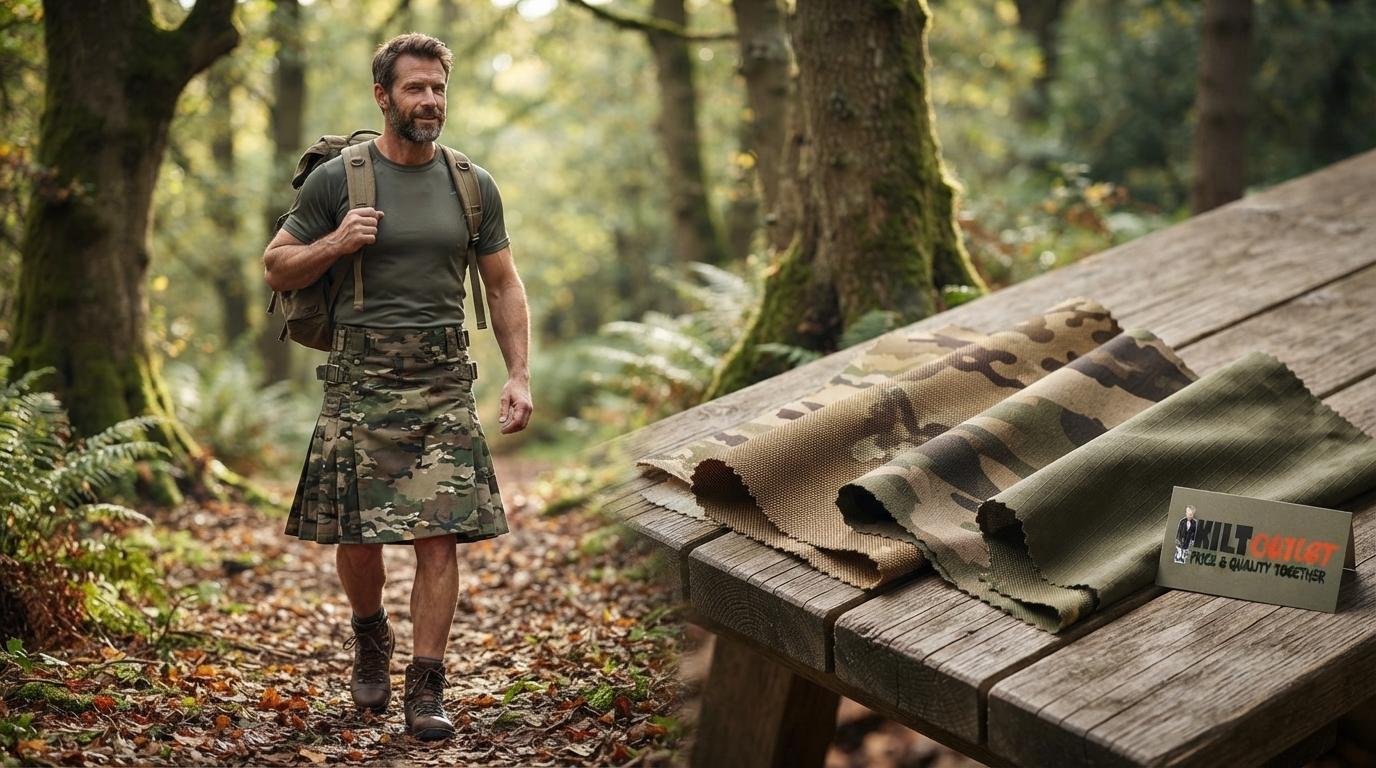
A camouflage kilt can create a distinctive outdoor-inspired appearance, but appearance should not be the only consideration. An attractive pattern cannot compensate for fabric that feels too heavy, restricts movement, or requires more maintenance than you want to handle.
The fabric influences comfort, durability, weight, and everyday usability. By comparing material composition and construction, buyers can choose a camo kilt that matches their activities, climate, and personal style.
Start With the Intended Use
Before selecting a fabric, decide how you plan to wear the kilt. You may want it for festivals, outdoor gatherings, casual activities, hiking, or everyday fashion.
Different activities place different demands on clothing. Someone attending occasional events may prioritize appearance and comfort, while someone spending more time outdoors may care more about durability and easy maintenance.
Your intended use should guide the material decision from the beginning.
Cotton for Comfortable Casual Wear
Cotton can provide a familiar and comfortable feel. It works well for casual garments and can suit people who prefer natural-feeling fabrics.
The exact weight and weave matter. A lightweight cotton kilt may feel more comfortable during warm weather, while heavier cotton can provide a more structured appearance.
Cotton can also absorb moisture, which means it may not suit every wet-weather situation. Consider your climate before selecting it for frequent outdoor use.
Ripstop for a Utility Look
Ripstop construction has a distinctive grid-like weave designed to help limit the spread of small tears. This makes it a common choice for utility-inspired garments.
However, "ripstop" describes construction rather than one particular fiber. A ripstop kilt can use different underlying materials, so check the composition before purchasing.
For buyers who want a utility appearance, ripstop can provide both visual character and a practical construction approach.
Polyester Blends
Polyester and blended fabrics can provide different combinations of durability, weight, and maintenance convenience. They can work well for active casual clothing when the specific fabric construction matches the intended use.
Synthetic materials can also feel different from natural fibers. Some people prefer their texture and maintenance characteristics, while others prefer the feel of cotton.
Always check the actual fabric composition instead of assuming that all synthetic camo kilts will perform the same way.
Canvas for a Structured Camo Kilt
Canvas provides a firmer and heavier feel than many lightweight clothing fabrics. It can create a rugged appearance that works naturally with camouflage patterns.
The additional weight may not suit everyone, especially in warm climates or during long periods of walking.
If you like the structured look of canvas, consider where and when you will wear the kilt. A heavier material may work well for occasional use but feel less comfortable during extended outdoor activities.
Think About Climate
Weather should influence your material choice. Warm environments generally call for clothing that does not feel excessively heavy or restrictive.
A lightweight fabric can make an outdoor garment more comfortable during hot conditions. In cooler weather, a heavier kilt can work alongside additional layers.
Remember that fabric is only one part of temperature management. Your shirt, footwear, outer layers, and activity level also influence overall comfort.
Consider Movement
A camo kilt should allow you to walk, sit, bend, and move naturally. Fabric stiffness and weight can affect how easily the garment moves with your body.
A lightweight material can provide a more relaxed feel, while a heavier fabric can create more structure.
Check the garment's cut as well. Good fabric cannot compensate for a design that restricts movement around the waist or legs.
Examine the Construction
Look beyond the camouflage pattern when assessing quality. Check the waistband, stitching, pocket attachment points, fasteners, and seams.
Utility-style kilts often include pockets or additional hardware. These features can add convenience, but they also create more areas that require strong construction.
If you plan to carry everyday items in the pockets, make sure the pocket design feels secure and comfortable when loaded.
Consider Maintenance
Outdoor clothing can collect dust, dirt, and moisture. A fabric that fits your maintenance routine will make regular use easier.
Read the manufacturer's washing and drying instructions before buying. Some fabrics require special care, while others can handle simpler cleaning.
Following the recommended care process helps protect the material and preserve the camouflage pattern.
Choose the Pattern Carefully
Fabric selection and pattern selection should work together. Different camouflage patterns can create very different visual effects.
Some patterns have a traditional outdoor appearance, while others use modern color combinations. Choose a pattern that matches your personal style and the environments where you plan to wear it.
The pattern should complement the rest of your outfit rather than dominate every element.
Make Comfort Part of the Decision
Camo clothing often emphasizes rugged styling, but comfort still matters. A kilt that looks practical but feels uncomfortable will probably spend more time in the wardrobe than expected.
Those searching for the Best Fabric Camo kilt should compare fabric composition, weight, flexibility, durability, climate suitability, construction, and care requirements.
Think about your normal activities instead of choosing based on the camouflage pattern alone.
Final Considerations
The right fabric can make a significant difference in how a camo kilt feels and performs. Cotton can provide familiar comfort, ripstop can suit utility-focused designs, polyester blends can offer different maintenance characteristics, and canvas can provide a heavier structured feel.
There is no single material that suits every wearer. Consider your climate, activities, preferred comfort level, and maintenance routine before making your choice. A well-matched camo kilt can provide distinctive outdoor style while remaining comfortable and practical for its intended use.

 English
 Arabic
 French
 Spanish
 Portuguese
 Deutsch
 Turkish
 Dutch
Dutch
 Russian
 Romaian
 Portuguese (Brazil)
 Greek
Greek