


How does Picosure Tattoo Removal Treatment work?
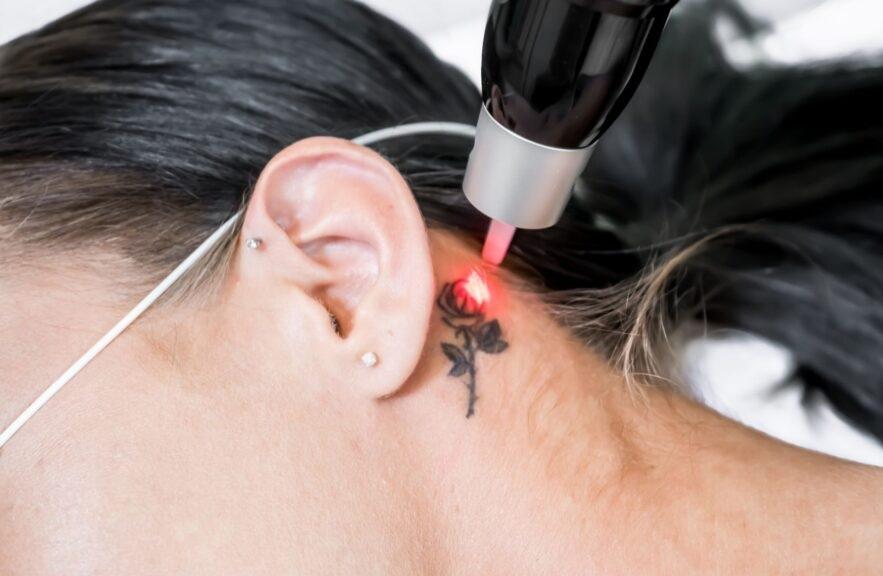
If you are wondering, How does Picosure Tattoo Removal Treatment work?, the procedure uses very short picosecond laser pulses to target tattoo ink beneath the skin. Instead of removing the tattooed skin itself, the laser delivers concentrated energy that breaks ink into much smaller particles. The body's natural processes can then gradually clear these particles over time. PicoSure systems can use different wavelengths depending on the tattoo's ink colors and treatment requirements. If you are researching إزالة الوشم بيكوشور في دبي, understanding how the technology works can help you know what to expect.
What Is PicoSure Tattoo Removal?
PicoSure is a picosecond laser technology that can be used for tattoo removal. The system delivers extremely short pulses of laser energy to tattoo pigment.
The goal is to target the ink while limiting unnecessary heating of the surrounding skin. Cynosure describes PicoSure technology as producing a photomechanical effect in extremely short pulse durations.
Laser tattoo removal does not physically pull ink out of the skin. Instead, the laser breaks tattoo pigment into smaller particles, which the body gradually clears.
How Does The Laser Break Down Tattoo Ink?
The tattooing process places pigment particles within the skin. These particles are too large and stable for the body to remove quickly on its own.
During PicoSure treatment, the laser delivers a rapid pulse of energy to the tattoo pigment. The short pulse creates a strong photomechanical impact on the ink, helping fragment larger pigment particles into smaller pieces.
After the laser treatment, the body's natural processes gradually remove the fragmented pigment.
This explains why tattoo removal is performed through multiple appointments rather than expecting the entire tattoo to disappear immediately after one treatment. The skin also needs time to recover between sessions.
Why Does PicoSure Use Different Wavelengths?
Different tattoo colors absorb laser energy differently. For this reason, the wavelength used during treatment can depend on the colors and characteristics of the tattoo.
PicoSure technology can include several wavelengths. Cynosure states that its PicoSure system uses 532 nm, 755 nm, and 1064 nm wavelengths, with specific wavelengths suited to different pigment colors.
For example:
- 755 nm: commonly used for black, blue, and green tattoo pigments.
- 532 nm: can target colors such as red, yellow, and orange.
- 1064 nm: may be used for certain black inks and treatment situations.
The appropriate wavelength is selected by the treating professional according to the tattoo, skin characteristics, and available device configuration.
What Happens During A PicoSure Tattoo Removal Session?
The process generally begins with an assessment of the tattoo and surrounding skin.
The practitioner may evaluate factors such as tattoo color, size, location, ink depth, age of the tattoo, previous removal treatments, and relevant medical history. These factors can influence treatment planning.
The treatment area is then prepared. Depending on the individual and the treatment approach, a topical anesthetic may be used to improve comfort.
The PicoSure handpiece is positioned over the tattoo, and controlled laser pulses are delivered to the selected area. The laser energy targets the tattoo pigment while the practitioner adjusts settings according to the tattoo and skin characteristics.
An average-sized tattoo may take only several minutes to treat, although appointment length varies according to tattoo size and other factors.
Why Are Multiple Treatments Usually Needed?
One session generally cannot remove all tattoo pigment.
Tattoo ink can be deposited at different depths and may contain several colors. The laser breaks down pigment during each appointment, but the body needs time to clear the resulting particles. The skin also requires recovery time between treatments.
The number of sessions varies considerably. Factors can include:
- Tattoo size
- Ink colors
- Ink density
- Ink depth
- Tattoo location
- Age of the tattoo
- Previous treatment
- Individual healing response
- Skin characteristics
Therefore, a personalized assessment is more useful than assuming that every tattoo will require the same number of sessions.
What Happens After PicoSure Treatment?
Immediately after treatment, the skin may show temporary redness, swelling, tenderness, or other localized reactions.
The treated area needs time to recover while the body continues processing the fragmented ink particles. The American Academy of Dermatology notes that redness, swelling, and some blistering can occur after laser tattoo removal.
Following aftercare instructions is important. Patients may be advised to keep the area clean, protect it from the sun, and avoid picking or irritating the treated skin.
Sun protection is particularly important during the healing period because treated skin can be more vulnerable to unwanted pigment changes.
Does PicoSure Completely Remove Every Tattoo?
Complete removal cannot be guaranteed.
Some tattoos respond more readily than others depending on ink color, depth, density, location, and other individual factors. Certain colors may also require specific wavelengths.
The American Academy of Dermatology explains that tattoo removal outcomes depend on several characteristics of the tattoo and the individual, which is why consultation and individualized treatment planning are important.
Some tattoos may become significantly lighter without disappearing completely.
Is PicoSure Tattoo Removal Painful?
Laser tattoo removal can cause discomfort. People may describe the sensation as similar to the feeling of receiving a tattoo, although the experience varies.
A topical anesthetic may be used in some cases to improve comfort.
The level of discomfort can also depend on the tattoo's location, size, density, and the individual's sensitivity.
Is PicoSure Safe?
Laser tattoo removal can involve side effects, so proper assessment and professional treatment are important.
Temporary redness and swelling can occur, while less common complications can include changes in skin pigmentation, burns, scarring, or texture changes. The AAD recommends consultation with a qualified dermatologist or appropriately trained medical professional experienced in laser tattoo removal.
Treatment settings should be selected according to the tattoo and skin characteristics rather than using identical settings for every person.
Frequently Asked Questions:
How does Picosure Tattoo Removal Treatment work?
PicoSure delivers very short laser pulses that break tattoo ink into smaller particles, which the body gradually clears.
How many PicoSure sessions are needed?
The number varies according to tattoo size, colors, ink depth, location, density, and individual response.
Can PicoSure remove colored tattoos?
PicoSure technology can target different ink colors using different wavelengths, although results vary by pigment and tattoo characteristics.
Does PicoSure remove tattoo ink permanently?
It can substantially reduce tattoo pigment, but complete removal is not guaranteed for every tattoo.
Does PicoSure tattoo removal hurt?
It can be uncomfortable. A topical anesthetic may be used in some cases to improve comfort.
Conclusion:
Understanding How does Picosure Tattoo Removal Treatment work? starts with its picosecond laser technology. The laser delivers extremely short pulses that target tattoo pigment and break it into smaller particles, allowing the body to gradually clear the fragmented ink. Different wavelengths can be selected for different tattoo colors and treatment requirements. Because the skin needs time to recover and the body needs time to clear the pigment, multiple sessions are commonly required. A professional assessment can help determine the appropriate treatment settings, expected number of sessions, and aftercare based on the individual tattoo and skin characteristics.

 English
 Arabic
 French
 Spanish
 Portuguese
 Deutsch
 Turkish
 Dutch
Dutch
 Italiano
 Romaian
 Portuguese (Brazil)
 Greek
Greek