


How to Prevent Common Complications During Ventilator Care at Home
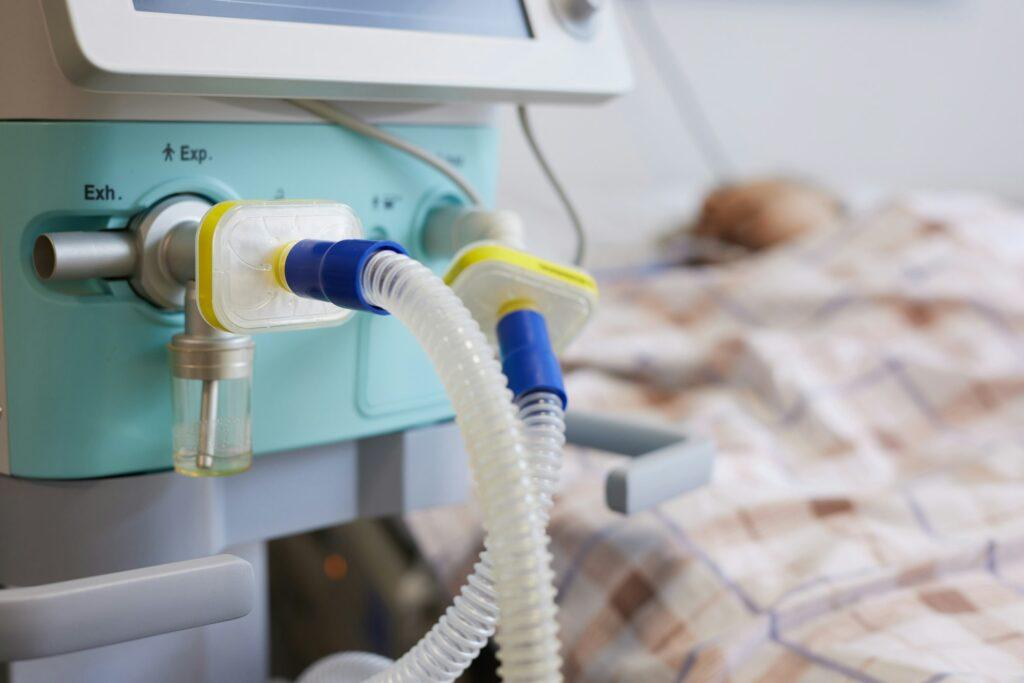
Patients who depend on mechanical ventilation require consistent monitoring, careful equipment management, and a well-organized care routine. Ventilator Care At Home In Dubai allows eligible patients to receive respiratory support in a familiar environment, but preventing complications requires caregivers to follow individualized medical instructions and maintain appropriate hygiene and safety practices. A Doctor at Home service may provide medical assessment when needed, while trained home healthcare professionals can support respiratory monitoring, airway care, equipment checks, and daily patient needs. Understanding common risks and knowing when to seek professional help can make home ventilator care safer and more manageable.
Understanding Common Ventilator-Related Complications:
Mechanical ventilation can be an important part of respiratory support, but patients may face complications related to their underlying condition, airway management, immobility, infection risk, or equipment problems. Potential concerns can include airway obstruction, respiratory infections, skin irritation, pressure injuries, secretion buildup, accidental tubing disconnection, and problems related to equipment malfunction. Not every patient will experience these issues, and individual risks vary. A personalized care plan from the healthcare team should guide prevention and monitoring.
Maintaining Strict Hand Hygiene:
Hand hygiene is one of the most important measures for reducing the spread of germs during home respiratory care. Caregivers should clean their hands before and after touching the patient, handling ventilator components, providing airway care, or assisting with personal hygiene. Hands should also be cleaned after handling respiratory secretions or used supplies. When several people participate in care, everyone should follow the same hygiene routine to maintain consistency.
Key hand hygiene practices include:
-
Wash hands before patient care
-
Clean hands before handling respiratory equipment
-
Wash hands after airway-related procedures
-
Use appropriate hand sanitizer when suitable
-
Avoid touching clean equipment with contaminated hands
-
Keep hand hygiene supplies easily accessible
Keeping Ventilator Equipment Clean:
Ventilator equipment should be maintained according to manufacturer instructions and the patient's healthcare plan. Tubing, filters, humidification systems, masks, and other components may have specific cleaning or replacement requirements. Caregivers should never use damaged or visibly contaminated equipment. Respiratory supplies should be stored in clean, dry areas and protected from unnecessary exposure to dust and moisture. Professional nurses can help families understand which equipment-care tasks they have been trained to perform.
Preventing Airway Blockages:
Airway obstruction can become a serious concern for patients receiving mechanical ventilation. Thick respiratory secretions, mucus buildup, or equipment problems may interfere with effective airflow. The patient's care team should provide clear instructions regarding airway management and suctioning when required. Only appropriately trained individuals should perform suctioning or other airway procedures. Caregivers should pay attention to changes in breathing, secretions, or ventilator alarms and follow the established care plan when concerns arise.
Monitoring Respiratory Secretions:
Changes in respiratory secretions can provide useful information about a patient's condition. Caregivers should observe changes in the amount, thickness, color, or frequency of secretions and document important observations when instructed. A sudden or significant change should be communicated to the healthcare provider. Caregivers should not attempt to diagnose the cause independently. Prompt professional assessment can help determine whether additional evaluation or treatment is necessary.
Preventing Respiratory Infections:
Patients requiring mechanical ventilation may need careful infection-control practices. Regular hand hygiene, appropriate equipment maintenance, clean surroundings, and proper airway-care techniques can help reduce avoidable exposure to germs. People with respiratory infections should avoid close contact with vulnerable patients whenever possible. The patient's care team can provide additional recommendations based on the individual's condition and ventilation requirements.
Helpful infection-prevention measures include:
-
Keep the patient's room clean
-
Follow respiratory equipment cleaning instructions
-
Practice hand hygiene consistently
-
Avoid unnecessary exposure to sick individuals
-
Store medical supplies correctly
-
Follow professional instructions for airway care
Preventing Pressure Injuries:
Patients who spend long periods in bed may be at increased risk of pressure-related skin problems. Regular skin observation and appropriate repositioning can help caregivers identify early changes. Positioning should follow the patient's individualized medical and nursing plan. Caregivers should pay particular attention to areas exposed to prolonged pressure, friction, or moisture. Specialized mattresses or cushions may be recommended for some patients by healthcare professionals.
Supporting Safe Patient Positioning:
Appropriate positioning can support comfort and may help caregivers manage respiratory equipment safely. The patient's position should be changed only according to the care plan, particularly when medical conditions affect mobility or respiratory function. Ventilator tubing should remain free from kinks, compression, and unnecessary tension during repositioning. Caregivers should receive proper training before assisting with complex positioning or transfers.
Preventing Accidental Tubing Disconnections:
Ventilator tubing should be arranged carefully around the patient to reduce the risk of accidental pulling or disconnection. Tubing should not become trapped underneath bedding, furniture, or the patient's body. During repositioning or transfers, caregivers should pay close attention to the tubing and other connected devices. If a disconnection or ventilator alarm occurs, caregivers should follow their training and the equipment provider's instructions rather than improvising unfamiliar procedures.
Understanding Ventilator Alarms:
Ventilator alarms are designed to alert caregivers to potential changes involving the patient or equipment. Families should receive appropriate training so they understand the alarms associated with the specific ventilator being used. An alarm should never simply be ignored or repeatedly silenced without determining the reason. Depending on the situation, the cause may involve tubing, positioning, secretions, equipment issues, or a change in the patient's condition. Serious or unexplained alarms require professional attention according to the established emergency plan.
Managing Humidification Properly:
Some ventilator systems use humidification to support airway comfort and secretion management. Humidification equipment should be used and maintained exactly as instructed by the healthcare team and equipment manufacturer. Caregivers should monitor for visible problems such as excessive condensation or equipment malfunction and seek professional guidance when concerns occur. Improper handling of humidification systems can create additional equipment or respiratory-care problems.
Preventing Equipment-Related Problems:
Routine equipment checks can help identify potential problems before they become urgent. Caregivers should inspect the ventilator and related equipment according to their training and the manufacturer's instructions. They should check for visible damage, loose connections, unusual sounds, or other unexpected changes. Equipment that appears faulty should not be repaired by untrained individuals. The equipment provider or qualified healthcare professional should be contacted for appropriate assistance.
A basic equipment check may include:
-
Inspecting tubing and connections
-
Checking prescribed equipment functions
-
Confirming that supplies are available
-
Looking for visible damage
-
Checking filters and accessories as instructed
-
Confirming that backup arrangements are ready
Preparing for Power Interruptions:
A reliable power plan is essential for patients who depend on electrically powered ventilators. Families should know what to do during a power outage and keep any recommended backup power arrangements ready. The emergency plan should include appropriate contact information and clear instructions provided by the healthcare team or equipment supplier. Backup equipment should be checked according to professional recommendations so caregivers know it is available if needed.
Maintaining Adequate Nutrition and Hydration:
Nutrition and hydration can be important components of a patient's overall care plan. Some ventilator-dependent patients may require specialized feeding arrangements or assistance with meals. Caregivers should follow the nutrition and hydration instructions provided by healthcare professionals and monitor for concerns such as difficulty feeding, vomiting, dehydration signs, or unexpected changes in tolerance. Any significant concern should be discussed with the appropriate medical team.
Supporting Oral and Personal Hygiene:
Good personal hygiene can contribute to patient comfort and overall infection-control practices. Caregivers may need to assist with bathing, oral care, changing clothes, and other daily activities. Care should be performed carefully around respiratory equipment to avoid accidental movement or disconnection. Oral-care routines should follow professional recommendations, especially for patients with swallowing difficulties or specialized airway support.
Monitoring the Patient Regularly:
Equipment checks should always be combined with observation of the patient. Caregivers should become familiar with the patient's usual breathing pattern, comfort level, responsiveness, skin appearance, and secretion patterns. A noticeable change may require professional evaluation. Monitoring should follow the frequency and methods established by the patient's healthcare team rather than relying on assumptions or general guidelines.
Knowing When to Seek Medical Assistance:
Some changes require prompt professional attention. Caregivers should understand the patient's individualized emergency plan and know whom to contact when concerns arise. Warning signs may include severe breathing difficulty, significant changes in responsiveness, persistent unexplained ventilator alarms, suspected equipment failure, or sudden deterioration in the patient's condition. In an emergency, families should use the appropriate local emergency service rather than waiting for a routine appointment.
Providing Ongoing Caregiver Training:
Ventilator care involves specialized responsibilities, and caregiver education should continue as the patient's needs change. Training can cover equipment handling, alarm recognition, airway care, infection prevention, positioning, emergency procedures, and documentation. Families should ask qualified professionals to demonstrate unfamiliar procedures rather than relying on online information or guesswork. Regular communication with the healthcare team can help caregivers remain confident about their assigned responsibilities.
Working With Professional Home Healthcare Teams:
Professional home nurses can provide valuable assistance when patients require complex respiratory support. Depending on the prescribed care plan, they may monitor the patient, assist with airway management, maintain hygiene, check equipment, document observations, and educate caregivers. They can also communicate important changes to the treating medical team. The level of professional support should be determined according to the patient's condition and clinical requirements.
Final Thoughts:
Preventing complications during Ventilator Care At Home In Dubai depends on consistent hygiene, careful equipment management, appropriate patient positioning, regular monitoring, caregiver training, and timely professional support. Families should follow the patient's individualized care plan, maintain clean respiratory equipment, prepare for emergencies, and understand the significance of unexpected changes. With organized routines and appropriate healthcare guidance, caregivers can create a safer home environment while supporting the comfort and ongoing respiratory needs of a patient receiving mechanical ventilation.

 English
 Arabic
 French
 Spanish
 Portuguese
 Deutsch
 Turkish
 Dutch
Dutch
 Italiano
 Russian
 Romaian
 Greek
Greek