


Bulk Construction Supplies in the Philippines: How Contractors Can Save on Steel and Materials
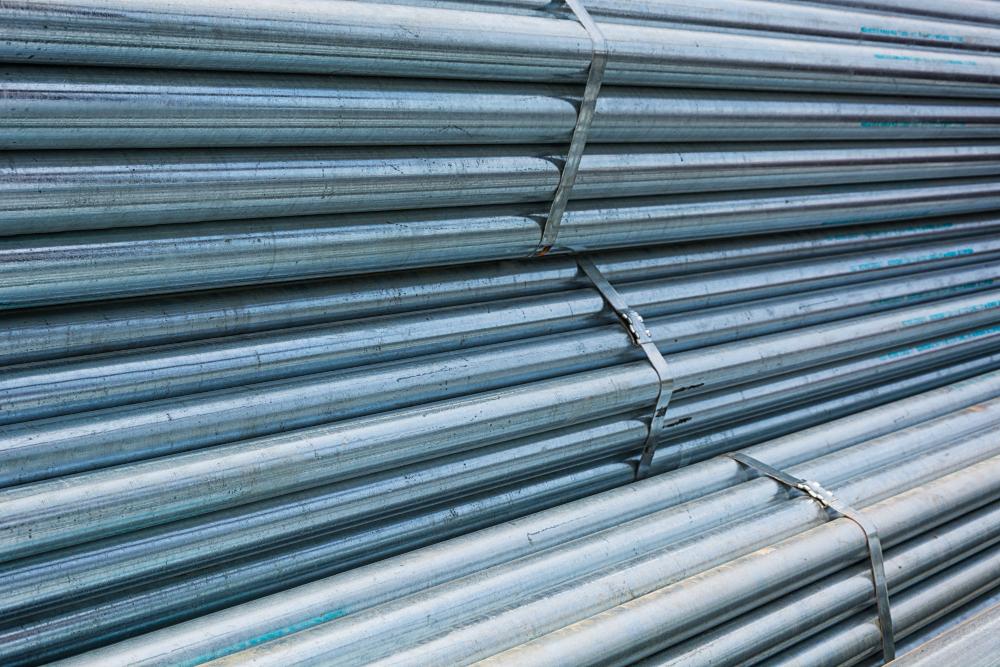
Contractors in the Philippines face tight margins when sourcing materials for large-scale projects. So finding reliable construction supplies in the Philippines at competitive prices determines whether a project stays profitable. Steel, a foundational material, often represents a significant portion of budgets, making bulk purchasing and flexible payment terms critical for success.
Understanding Bulk Pricing in the Construction Supply Chain
Suppliers offer discounts for large orders, reducing per-unit costs. Buying steel in bulk allows contractors to lock in lower prices during market dips while ensuring consistent material quality across projects. However, storage capacity and project timelines must align to avoid idle inventory.
Calculating Optimal Order Quantities
Balancing order size with storage limitations requires analysis. Contractors should calculate economic order quantities (EOQ) by factoring in per-ton discounts, delivery fees, and onsite storage costs. For example, a 200-ton order might save 8% per ton versus a 50-ton order but could require renting additional space if the project timeline spans six months.
Negotiating Better Discounts
Suppliers often adjust pricing tiers for repeat buyers or long-term contracts. Contractors can leverage multi-project commitments to secure lower rates. Requesting quotes for multiple material types (e.g., steel, cement, and rebar) simultaneously may also open opportunities for bundled pricing.
How Credit Terms Work for Philippine Contractors
Building Creditworthiness with Suppliers
Suppliers assess risk based on payment history, project scale, and financial stability. Contractors can improve credit terms by maintaining timely payments on smaller orders before requesting extended terms. Providing bank references or proof of project funding also strengthens credibility.
Steps to Qualify for Extended Payment Terms
Start by requesting 30-day terms on initial orders, then gradually negotiate longer periods after demonstrating reliability. Suppliers may require signed agreements outlining late fees or partial deposits. Aligning payment schedules with client milestones (e.g., progress billings) ensures funds are available to settle supplier invoices.
Selecting the Right Steel Supplier for Long-Term Projects
Industry Certifications and Material Test Reports
Look for suppliers that adhere to international standards like ASTM A615 for rebar or ISO 9001 for quality management. Request test reports for tensile strength, corrosion resistance, and weldability. Certifications ensure materials meet local building codes and environmental conditions.
Conducting Due Diligence
Verify a supplier’s track record through references, site visits, or industry associations. Check their ability to handle large orders during peak seasons and review their dispute-resolution processes. A reliable partner will provide clear communication channels for addressing delivery issues or quality concerns.
Common Materials Contractors Need Beyond Steel
Cost-Saving Through Bundled Purchases
Suppliers may offer 5–15% discounts for bundling steel with cement or hardware. However, compare bundled pricing against individual supplier quotes to avoid overpaying. For example, a supplier offering a 10% bundle discount on steel and rebar might charge higher unit prices than a specialized cement vendor.
Navigating Delivery Logistics in the Philippines
Island geography complicates supply chains. Suppliers with hubs in Luzon, Visayas, and Mindanao ensure faster distribution. Contractors should prioritize partners that offer real-time shipment tracking and clear communication channels for urgent adjustments.
Contingency Planning for Natural Disruptions
Typhoons and earthquakes often delay shipments. Contractors should confirm suppliers have backup routes, such as sea routes bypassing congested ports or alternative warehouses. Including force majeure clauses in contracts protects against penalties during unavoidable delays.
Inventory Management Strategies for Philippine Contractors
Using Inventory Tracking Tools
Digital tools like RFID tags or cloud-based software (e.g., Buildertrend, Fieldwire) help monitor stock levels and expiration dates. Real-time updates alert teams when to reorder materials, preventing shortages or overstocking.
Building Strong Supplier Relationships
Long-term partnerships reduce procurement risks and open doors for favorable terms. Trust is built through consistent orders, timely payments, and collaborative problem-solving.
Collaborative Forecasting and Planning
Sharing project pipelines with suppliers allows them to allocate resources efficiently. A supplier aware of a contractor’s six-month road-building schedule can reserve stock and plan deliveries without surcharges.
Managing Risks in Construction Material Procurement
Diversifying Supplier Networks
Relying on a single supplier increases vulnerability to regional disruptions. Contractors should maintain relationships with at least two suppliers for critical materials like steel and cement. For example, if a typhoon shuts down a port, having an alternative supplier in a different region ensures continuity. Regularly evaluate supplier performance metrics such as on-time delivery rates and quality consistency to identify reliable partners.
Hedging Against Material Price Volatility
Steel prices fluctuate due to global market conditions. Contractors can lock in prices through long-term agreements or purchase materials during market lows. For instance, a contractor starting a two-year project might buy 50% of required steel upfront when prices are favorable, then negotiate fixed rates for remaining orders. This approach stabilizes budgeting and protects against sudden price hikes.
Key Takeaway
Contractors seeking consistent construction supplies in the Philippines should prioritize suppliers with bulk pricing, flexible credit terms, and proven delivery networks. Steel remains a core investment, and strategic sourcing ensures projects meet both budget and quality goals. Partnering with an importer that aligns with these criteria reduces long-term risks.

 English
 Arabic
 French
 Spanish
 Portuguese
 Deutsch
 Turkish
 Dutch
Dutch
 Italiano
 Russian
 Romaian
 Portuguese (Brazil)