


A Practical Guide to Smoother Skin and Acne Scar Care
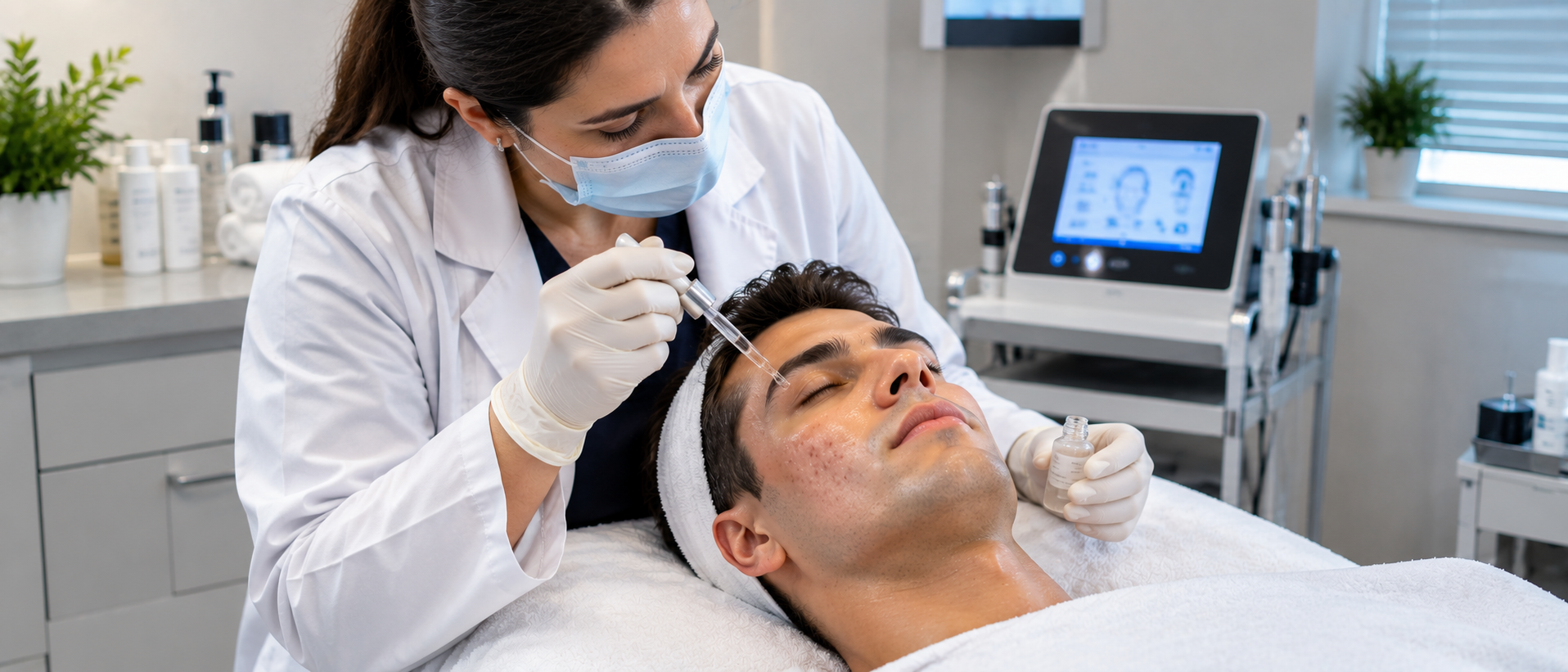
Acne is one of the most common dermatological conditions globally, affecting individuals of various skin types and ages. Beyond the initial inflammation and active breakouts, the structural impact on the dermal layers can leave behind lingering texturing, pitted depressions, or raised tissue. Skin healing occurs when the body attempts to repair damaged follicle walls and underlying dermal matrix.
When severe inflammation compromises surrounding collagen networks, the natural recovery process can result in altered skin topography. Understanding how these structural changes happen is the first step toward reclaiming smooth, healthy, and vibrant skin.
Understanding Different Types of Acne Scars
Atrophic scars are the most prevalent form of permanent acne scarring and occur when the skin fails to generate sufficient collagen during the healing phase. These depressed scars are generally categorized into three distinct subtypes based on their depth, shape, and surface diameter. Ice pick scars are deep, narrow depressions that extend into the reticular dermis, often appearing like small enlarged pores.
Boxcar scars present as wider depressions with sharply defined, steep vertical edges, whereas rolling scars create a wave like, uneven skin contour due to fibrous tissue bands pulling the epidermis down toward the underlying fascia.
Why Acne Marks and Acne Scars Need Different Approaches
After acne clears, many people are left with marks that seem to linger long after the breakouts have disappeared. These changes can affect skin colour, texture, and confidence, making it tempting to try every serum, peel, or home remedy available. Before choosing a treatment, however, it is important to understand what remains on the skin.
This distinction matters because a product that helps fade pigmentation may do little to correct a deep indentation. Similarly, a procedure designed to remodel scar tissue may not be the first choice for a flat mark. Identifying the concern correctly is the foundation of a useful treatment plan.
Understanding the Main Types of Acne Scarring
Depressed acne scars develop when the skin does not produce enough supporting tissue during healing. They may appear as narrow, deep pits, wider depressions with sharp edges, or shallow uneven areas that create a rolling appearance. More than one type can occur on the same face.
A mirror may not reveal every difference between these concerns. A trained dermatologist can assess the depth, shape, colour, and distribution of the marks to determine what type of treatment is likely to be useful.
Why Active Acne Should Be Controlled First
Treating scars while new inflammatory breakouts continue can make progress more difficult. Fresh acne lesions may produce additional marks or permanent scars, especially when they are deep, painful, or repeatedly picked. Managing active acne is therefore an important part of preventing further damage.
Avoid squeezing spots or using harsh scrubs to force the skin to clear. Physical irritation can worsen inflammation and increase the risk of marks. Gentle cleansing and suitable acne treatment are generally more useful than repeatedly damaging the skin barrier.
Professional Treatments for Depressed Scars
Depressed scars often require treatments that address the skin's structure rather than surface colour alone. The choice depends on whether the scar is narrow and deep, sharply edged, or attached to underlying tissue. A combination of procedures may be recommended when several scar types are present.
Microneedling uses fine needles to create controlled micro injuries that stimulate a healing response. It may help improve the appearance of some depressed scars over a series of treatments. The degree of improvement varies, and the procedure requires appropriate technique, equipment, and aftercare.
Chemical peels remove controlled layers of skin and may help with certain superficial texture and pigmentation concerns. Peel strength and preparation need to be selected carefully because stronger is not automatically better. Excessive or unsuitable treatment can cause irritation and pigment changes.
When Scar Specific Procedures May Be Needed
Some scars are tethered to deeper tissue, producing a depression that remains visible when the skin is stretched. Subcision is a procedure in which a trained clinician releases selected fibrous connections beneath the scar. It may be useful for particular rolling scars, but it is not suitable for every scar type.
Other scars may benefit from a targeted surgical technique. For example, a very narrow and deep scar may require a different approach from a wide, shallow depression. A specialist may recommend lifting, removing, or otherwise treating an individual scar before considering resurfacing or other procedures.
Fillers may sometimes be used to raise selected depressed scars by adding volume. Their suitability depends on the scar, the material, the person's medical history, and the practitioner's judgement. Fillers do not permanently erase every scar, and their effects and risks differ by product.
Treatments for Dark Marks and Uneven Colour
When the main concern is a flat dark mark rather than a depression, the treatment strategy is different. Dermatologists may recommend topical ingredients that help manage pigmentation, together with a routine that limits irritation and protects the skin from sunlight.
Ingredients such as retinoids, azelaic acid, or other prescribed pigmentation treatments may be considered depending on the individual's skin and medical history. They can irritate some people, so starting several active ingredients at once is rarely a good strategy. The clinician can advise on concentration, frequency, and combinations.
People should avoid unregulated bleaching creams or products with undisclosed ingredients. Strong or inappropriate products can damage the skin and worsen pigmentation, particularly when used without professional guidance.
Choosing the Right Option for Your Skin
The search for the best treatment for acne scars should begin with an assessment rather than a commitment to a particular device or product. A dermatologist can identify scar types, evaluate active acne, review previous treatments, and explain which options may fit the person's goals.
The consultation should also cover budget, downtime, skin sensitivity, medical history, and the amount of improvement that is realistic. Some procedures require a series of appointments, while others involve a longer recovery period. Cost should include follow up care and any maintenance that may be recommended.
Helpful questions include:
- Are my marks true scars, pigmentation, redness, or a combination?
- Should active acne be treated before scar procedures begin?
- Which treatment is appropriate for each type of scar I have?
- What are the risks for my skin tone and medical history?
- How many sessions may be needed, and when will results be assessed?
A clear plan makes it easier to understand why a procedure is being recommended and how success will be measured.
What to Expect From Treatment Timelines
Acne scar treatment usually involves gradual change rather than an overnight transformation. Procedures that encourage collagen remodelling take time because the skin needs to heal and produce new supporting tissue. Visible improvement may continue over weeks or months, depending on the procedure and the individual's response.
Some treatments produce temporary swelling or redness that can make the skin appear smoother or fuller at first. That early appearance should not be confused with the final result. Follow up assessments allow the clinician to evaluate progress after the initial healing period.
Multiple sessions may be needed, particularly when scars are widespread or when a treatment works gradually. The appropriate interval between appointments depends on the procedure and the skin's recovery. More frequent treatment is not necessarily more effective and may increase irritation.
Preparing for a Dermatology Appointment
Bring a list of products and medicines you currently use, including acne treatments, retinoids, exfoliating acids, supplements, and any previous prescription therapies. Mention cosmetic procedures performed within the last few years, especially if they caused irritation, pigment changes, or unusual healing.
Avoid starting aggressive home peels, microneedling devices, or unfamiliar products while waiting for an appointment. Home procedures can cause injury, infection, and additional scarring when used incorrectly. Professional assessment is particularly important for deep scars or persistent inflammatory acne.
Before leaving the consultation, make sure you understand the plan, the expected recovery, aftercare requirements, and the signs that should prompt medical attention.
Aftercare and Protecting Your Results
Aftercare depends on the treatment performed. A procedure that lightly exfoliates the surface may have different instructions from a deeper resurfacing treatment or a surgical technique. Follow the clinic's written advice rather than applying a general internet routine to every procedure.
Gentle cleansing and moisturising may be recommended while the skin recovers. Makeup, active skincare ingredients, exercise, swimming, and exposure to heat may need to be limited temporarily, depending on the procedure. Do not pick peeling skin or remove crusts, as this can interfere with healing.
Contact the provider if symptoms are worsening rather than improving, or if you notice spreading redness, increasing pain, unusual discharge, fever, or other concerning changes. Prompt assessment can help address complications.
Everyday Habits That Help Prevent New Scars
Even a well planned scar treatment cannot prevent future acne by itself. Continued management of active breakouts helps reduce the chance of new marks forming. Follow the prescribed acne routine consistently and attend follow up appointments when recommended.
Keep the routine simple enough to follow. Gentle cleansing, a suitable moisturiser, acne medication when indicated, and sun protection can provide a useful foundation. Introducing too many strong products at once can cause irritation and make it difficult to identify what is helping.
Patience is also important. Skin texture and pigmentation change gradually, and not every mark will respond at the same speed. A realistic plan focuses on meaningful improvement, skin health, and preventing additional damage.
Conclusion
Acne scars come in several forms, and each may respond to a different treatment strategy. Flat pigmentation, depressed scars, and raised scars should not be treated as if they are the same problem. Identifying the concern correctly helps prevent wasted time and unnecessary procedures.
A dermatologist can develop a plan based on scar type, skin tone, active acne, medical history, budget, and recovery preferences. Options may include topical treatments, microneedling, lasers, chemical peels, fillers, or scar specific procedures, sometimes used in combination.

 English
 Arabic
 Spanish
 Portuguese
 Deutsch
 Turkish
 Dutch
Dutch
 Italiano
 Russian
 Romaian
 Portuguese (Brazil)
 Greek
Greek