


Is Epoxy Flooring in the Philippines Expensive Compared to Tiles?
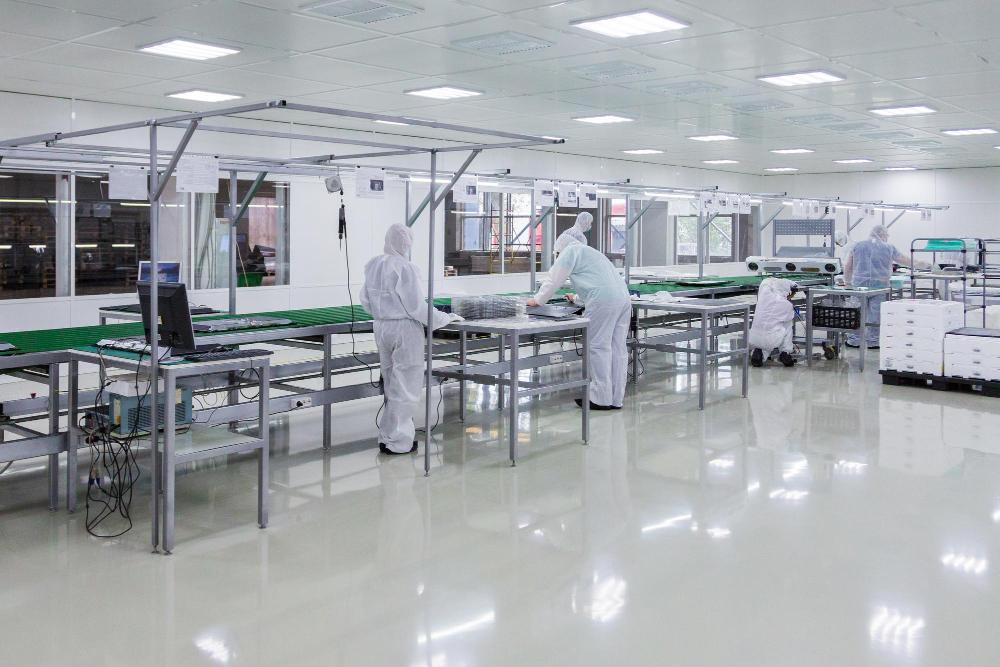
For flooring needs, many Filipino property owners and professionals in construction look at both epoxy and tiles. Epoxy flooring in the Philippines typically costs more upfront than tiles, but its long-term benefits might balance the initial investment. Factors like durability, maintenance, and installation requirements influence the overall value of each option.
Upfront Costs of Epoxy and Tiles
Epoxy flooring requires specialized materials and skilled labor, raising initial expenses. Tiles, being widely available, often cost less to purchase and install. However, tile adhesives, grouting, and labor rates in the Philippines can add hidden costs.
Regional Price Variations
Material costs for both epoxy and tiles fluctuate across Philippine regions. In Metro Manila, epoxy resin prices align with global markets, while tiles may see price spikes due to imported design trends. Provincial areas often report lower labor rates for tiling, making tiles temporarily cheaper.
Material Waste Factors
Epoxy application generates minimal waste, as it’s mixed to exact coverage needs. Tile cutting, however, can result in 10–15% material loss, especially for complex layouts. This waste adds to the total cost of tile installations.
Maintenance Demands Over Time
Epoxy floors resist stains, moisture, and wear, needing only regular cleaning. Tiles may crack or lose grout over time, requiring repairs. In humid Philippine climates, mold growth in tile grout increases maintenance efforts.
Long-Term Cleaning Protocols
Epoxy floors require only mild detergent and water, avoiding harsh chemicals. Tile grout often needs periodic scrubbing with bleach solutions to prevent mold, increasing labor and material costs for homeowners.
Durability and Lifespan
Epoxy coatings last 10–20 years with proper care, while tiles may chip or crack under heavy use. High-traffic areas in Philippine homes or businesses benefit from epoxy’s seamless, impact-resistant surface. Tiles often need replacement sooner in such settings.
Climate-Induced Stressors
Philippine monsoon rains and high humidity test flooring resilience. Epoxy’s moisture-resistant bond prevents warping, while tiles may lift or crack if subfloors swell from dampness. Coastal areas face added salt-air corrosion risks for grout lines.
Installation Time and Labor Expenses
Epoxy installation takes 2–5 days, depending on preparation and curing. Tile laying requires precise cutting, alignment, and drying periods. Labor costs in the Philippines for tiling can escalate due to extended project timelines.
Surface Preparation Challenges
Epoxy demands thorough concrete grinding and crack repairs before application, which can add 1–2 days to timelines. Tiling requires flat, stable substrates, but uneven floors in older homes often necessitate costly leveling compounds.
Curing Time in Philippine Climates
Epoxy curing speeds vary with temperature. In hotter regions like Cebu, coatings may cure in 12 hours, while cooler Baguio weather can extend curing to 36 hours. Tile adhesive drying times remain consistent but require 72-hour waiting periods before grouting.
Specialized Needs and Customization
Epoxy offers seamless, hygienic surfaces ideal for kitchens, garages, or commercial spaces. Tiles provide varied designs but may lack the flexibility of epoxy’s customizable finishes. For unique Philippine architectural styles, epoxy adapts better to curved or uneven surfaces.
Commercial vs. Residential Requirements
Warehouses and hospitals prioritize epoxy’s chemical resistance and ease of sanitation. Residential projects often favor tiles for their “finished” look in living areas, though epoxy’s decorative flakes and metallic finishes now compete with premium tile aesthetics.
Hygiene Standards in Food-Prep Areas
Epoxy’s non-porous surface meets food safety standards by preventing bacterial growth. Tiles in commercial kitchens require frequent grout sealing to comply with health regulations, adding operational overhead.
Repair and Replacement Scenarios
Tile repairs demand sourcing matching stock, which may be discontinued. Epoxy resurfacing refreshes entire floors uniformly, avoiding patchwork inconsistencies.
Addressing Cracks and Wear in Tiles
Hairline tile cracks escalate into trip hazards if moisture seeps into subfloors. Epoxy coatings bridge minor cracks during application, preventing further damage without full replacements.
Epoxy Resurfacing Options
Existing epoxy floors can receive topcoats every 5–7 years, extending lifespan at 30–50% of initial costs. Tiles lack this option, requiring full replacements once 20% of surfaces are damaged.
Aesthetic Customization for Philippine Homes
Epoxy’s design flexibility suits modern Filipino tastes. Metallic epoxy effects mimic the look of imported marble tiles at lower costs, while traditional bahay kub-style homes use earth-toned flakes for organic appeal.
Color and Finish Options for Epoxy
Matte finishes hide scratches better in high-traffic homes, while glossy epoxy amplifies lighting in smaller spaces. Tiles offer fixed patterns, requiring custom cuts for unique layouts that raise labor costs.
Tile Design Trends in Local Architecture
Porcelain tiles imitating wood grain remain popular in Makati condominiums, while hand-painted ceramics add cultural flair to heritage homes. Epoxy’s seamless application better accommodates open-plan spaces favored in contemporary Philippine designs.
Key Takeaway
While epoxy flooring in the Philippines has higher upfront costs than tiles, its durability and low maintenance often justify the investment. Factors like climate resilience and long-term usability make epoxy a competitive choice for many Filipinos.

 English
 Arabic
 French
 Spanish
 Portuguese
 Turkish
 Dutch
Dutch
 Italiano
 Russian
 Romaian
 Portuguese (Brazil)
 Greek
Greek