


Herbal Skin Care Products: Simple Ayurvedic Tips for Healthy Skin
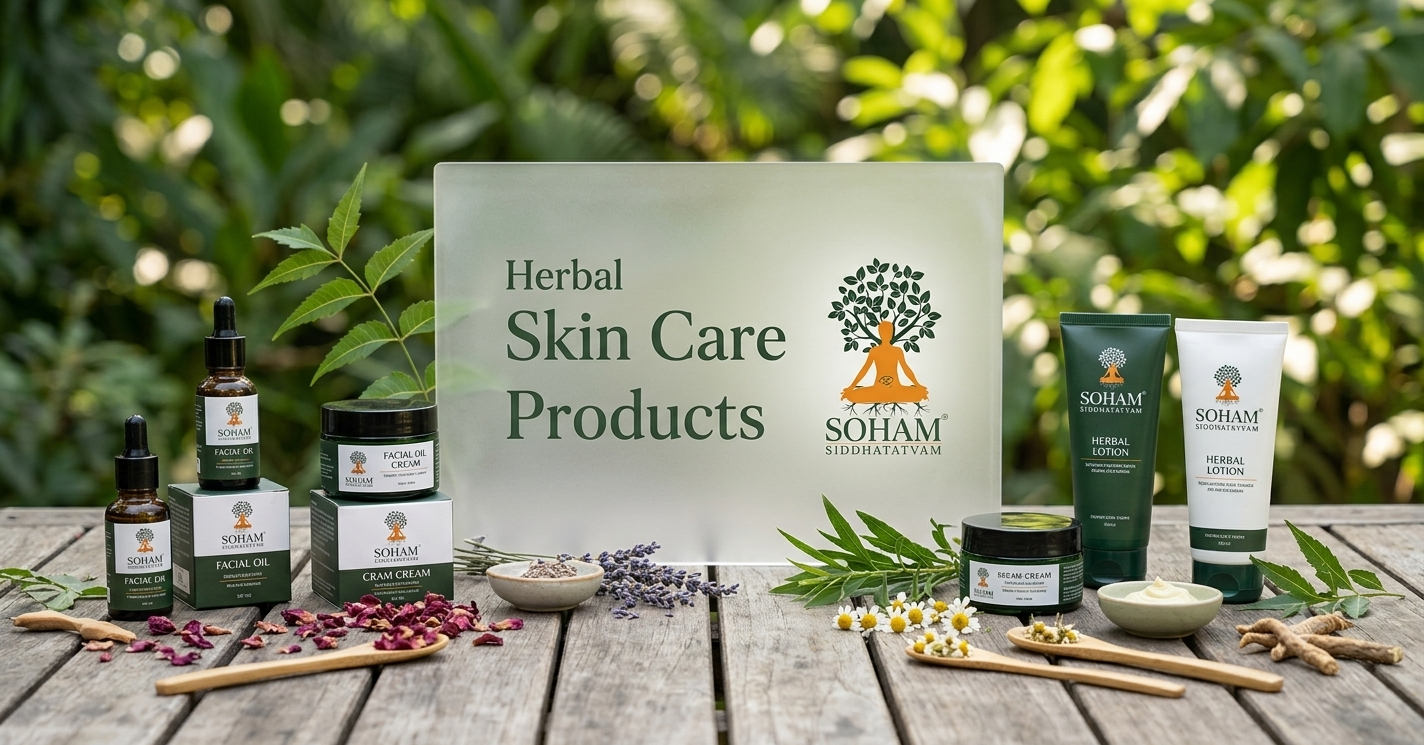
How Herbal Skin Care Products Fit Into an Ayurvedic Routine
Skin can feel dry, oily, dull or uncomfortable when daily routines, weather, diet and lifestyle change. For many people, choosing herbal skin care products is a simple way to bring plant-based and traditional wellness practices into everyday skin care.
Indian skin experiences different conditions through the year, from hot summers and humidity to dry winters and pollution. A simple routine that suits your skin and the season can make daily care easier.
Traditional Ayurveda also views skin wellness as connected with overall balance, food, digestion, sleep and daily habits. This broader approach is one reason many people explore ayurvedic skin care products as part of their personal wellness routine.
What Are Herbal Skin Care Products and How Can They Help?
Herbal skin care products are preparations that use plant-based or traditionally valued ingredients as part of a skin-care routine. Depending on their formulation, they may help support cleansing, moisturising and comfortable-looking skin. Their suitability can vary with skin type, ingredients and individual sensitivity.
Choosing skin care does not have to mean using a large number of products. A consistent routine with gentle cleansing, suitable moisturisation, sun protection and attention to lifestyle can provide a practical foundation.
The word “herbal” alone should not be treated as a guarantee that a product will suit everyone. Reading the ingredient list and understanding how a product is intended to be used are important steps.
What should you look for when choosing herbal skin care?
Start by considering your skin type and your everyday environment. Someone with naturally dry skin may have different needs from someone whose skin becomes oily in humid weather.
Look for:
- Clear ingredient information.
- Directions for use.
- A formulation suited to your skin's needs.
- Products from a reliable source.
- A routine that is simple enough to follow consistently.
- A patch test when appropriate, particularly with a new topical product.
If your skin is sensitive, introduce one new product at a time. This makes it easier to notice how your skin responds.
Why Is Ayurvedic Skin Care Still Relevant Today?
Ayurveda traditionally takes a whole-person approach to wellness. Skin is not viewed entirely in isolation from daily habits, food, sleep, environment and individual constitution.
This does not mean every skin concern has a single Ayurvedic explanation. Rather, traditional Ayurvedic practices encourage attention to routine and balance alongside appropriate skin care.
Modern lifestyles can also make simple habits difficult. Long screen hours, irregular sleep, frequent travel, changing meal timings and exposure to environmental conditions can all influence how a person experiences their skin.
A practical routine can therefore combine traditional wisdom with modern skin-care basics.
Can herbal skin care be used every day?
Some herbal skin care preparations are designed for regular use, while others may be intended for occasional application. Always follow the individual product's instructions and consider your skin's response.
Using more products or applying them more frequently does not necessarily provide better results. Gentle and consistent care is often easier to maintain.
The Ayurvedic Principle Behind Skin Wellness
In traditional Ayurveda, skin wellness is discussed in relation to the doshas: Vata, Pitta and Kapha. These principles are associated with different qualities and patterns in the body.
Vata is traditionally associated with qualities such as dryness and movement. Pitta is linked with heat and transformation, while Kapha is associated with stability, structure and moisture.
From this traditional perspective, changes in season, food, sleep and routine may influence how the body feels and how the skin appears. Ayurveda therefore places importance on suitable daily habits rather than focusing only on external application.
Which herbs are traditionally used in Ayurvedic skin care?
Ayurvedic traditions include a wide range of herbs and plant ingredients used in different preparations. Aloe vera, neem, turmeric, sandalwood and amla are among ingredients traditionally associated with various Ayurvedic and Indian wellness practices.
Their traditional uses differ, and an ingredient's presence does not automatically mean that every formulation will suit every person.
When selecting a product, consider the complete formulation rather than choosing an ingredient based only on its reputation. Skin type, sensitivity and the intended use of the product all matter.
How to Build a Simple Herbal Skin Care Routine
A good routine does not need to be complicated. The focus should be on regular care and choosing products that suit your individual needs.
Start with gentle cleansing
Cleansing helps remove everyday dirt, sweat and excess oil from the skin. Choose a gentle cleanser appropriate for your skin type rather than using harsh products simply because your skin feels oily.
Over-cleansing can leave some skin feeling uncomfortable or dry. Pay attention to how your skin feels after cleansing.
Keep skin moisturised
Moisturisation helps support the skin's natural comfort and softness. People with dry skin may prefer richer moisturising products, while those with oily skin may prefer lighter textures.
Seasonal changes can also influence what feels comfortable. A product that suits you during a dry winter may feel different during a humid summer.
Remember sun protection
Sun protection is an important part of everyday skin care. When spending time outdoors, use suitable sunscreen, protective clothing and shade according to the conditions.
Herbal or Ayurvedic skin care does not replace basic sun-protection practices.
Avoid constantly changing your routine
Trying several new products at once can make it difficult to understand what works for your skin. A simple routine gives you a clearer picture of how your skin responds.
If you introduce something new, give your routine time to settle unless irritation occurs.
Herbal Skin Care Products and Indian Seasonal Care
India's varied climate makes seasonal skin care especially relevant. Hot and humid weather may make skin feel different from the dry conditions experienced in winter.
During warmer months, people may prefer lighter textures and a simple cleansing routine. Staying hydrated and protecting the skin from prolonged sun exposure are also practical habits.
During colder or drier periods, skin may feel more comfortable with appropriate moisturisation and gentler cleansing.
The goal is not to follow a rigid seasonal formula. Instead, notice how your skin changes and adjust your routine sensibly.
For those exploring products specifically within this area, the Soham Siddhatatvam Skin Care collection provides a dedicated place to explore available options.
What Lifestyle Habits Support Healthy-Looking Skin?
Skin care does not begin and end with topical products. Everyday habits can also support general wellbeing and comfortable-looking skin.
Eat a varied, balanced diet
Include a variety of vegetables, fruits, pulses, whole grains, nuts and seeds according to your dietary needs. A balanced diet provides a broad range of nutrients that support overall health.
There is no need to depend on a single food or drink for skin wellness.
Drink enough water
Hydration is a basic part of everyday wellbeing. Keep water available during the day and pay attention to your needs, particularly during hot weather or physical activity.
Prioritise sleep
A consistent sleep routine supports general health and helps you maintain better daily habits. Try to keep regular sleeping and waking times where practical.
Manage everyday stress
Stress is a normal part of life, but finding healthy ways to manage it can support overall wellbeing. Walking, yoga, breathing exercises, hobbies and time away from screens can all be useful options.
Keep hands and personal items clean
Phones, pillowcases, towels and frequently touched objects can come into contact with your face and skin. Keeping these items reasonably clean is a simple hygiene habit.
People Also Ask About Herbal Skin Care Products
Are herbal skin care products suitable for all skin types?
No single skin-care approach suits everyone. Skin type, sensitivity, ingredients and environmental conditions can all influence suitability. Introduce new products carefully and stop using a product if it causes significant irritation.
Are Ayurvedic skin care products natural?
Ayurvedic preparations traditionally use herbs, plants and other natural materials, but formulations can vary. Always check the complete ingredient information rather than assuming that every Ayurvedic product contains only one type of ingredient.
Can herbal products replace regular skin care?
Herbal products can be included in a personal skin-care routine, but basic practices remain important. Gentle cleansing, moisturisation, sun protection, hygiene and a balanced lifestyle should not be overlooked.
How often should I change my skin-care routine?
There is usually no need to change a routine frequently simply to try something new. If your current routine is comfortable and suitable, consistency may be more practical. Consider changes when your skin needs, season or lifestyle changes.
Common Skin Care Mistakes to Avoid
Even a good product may not fit well into a routine if basic habits are overlooked.
Avoid:
- Using too many new products at the same time.
- Scrubbing the skin aggressively.
- Ignoring persistent irritation.
- Skipping sun protection during outdoor activities.
- Choosing products only because they are trending.
- Assuming a natural ingredient cannot cause sensitivity.
- Using products in ways that differ from their recommended directions.
- Expecting one product to address every aspect of skin wellness.
Skin care is personal. What feels comfortable for one person may not be suitable for another.
When to See a Doctor
See a qualified dermatologist or doctor if you have persistent, painful, severe or unexplained skin problems, recurring rashes, significant swelling, signs of infection or a concern that does not improve with basic care. Professional evaluation is especially important when symptoms are new or worsening.
Conclusion: Choosing Herbal Skin Care Products Mindfully
Choosing herbal skin care products can be part of a simple wellness routine inspired by traditional Indian practices. The key is to focus on suitable ingredients, gentle habits and consistent care rather than expecting a single product to do everything.
Ayurvedic skin care brings attention to individual needs, seasonal changes and the relationship between lifestyle and everyday wellbeing. Combined with balanced food, hydration, good sleep, sun protection and sensible skin-care habits, this approach can support healthy-looking, comfortable skin.
A thoughtful routine does not need to be complicated. Start with the basics, understand what you are using and choose products that fit naturally into your everyday life.

 English
 Arabic
 French
 Spanish
 Portuguese
 Deutsch
 Turkish
 Dutch
Dutch
 Italiano
 Russian
 Romaian
 Greek
Greek