


What Size Round Rug for a Dining Table? A Simple Measurement Guide
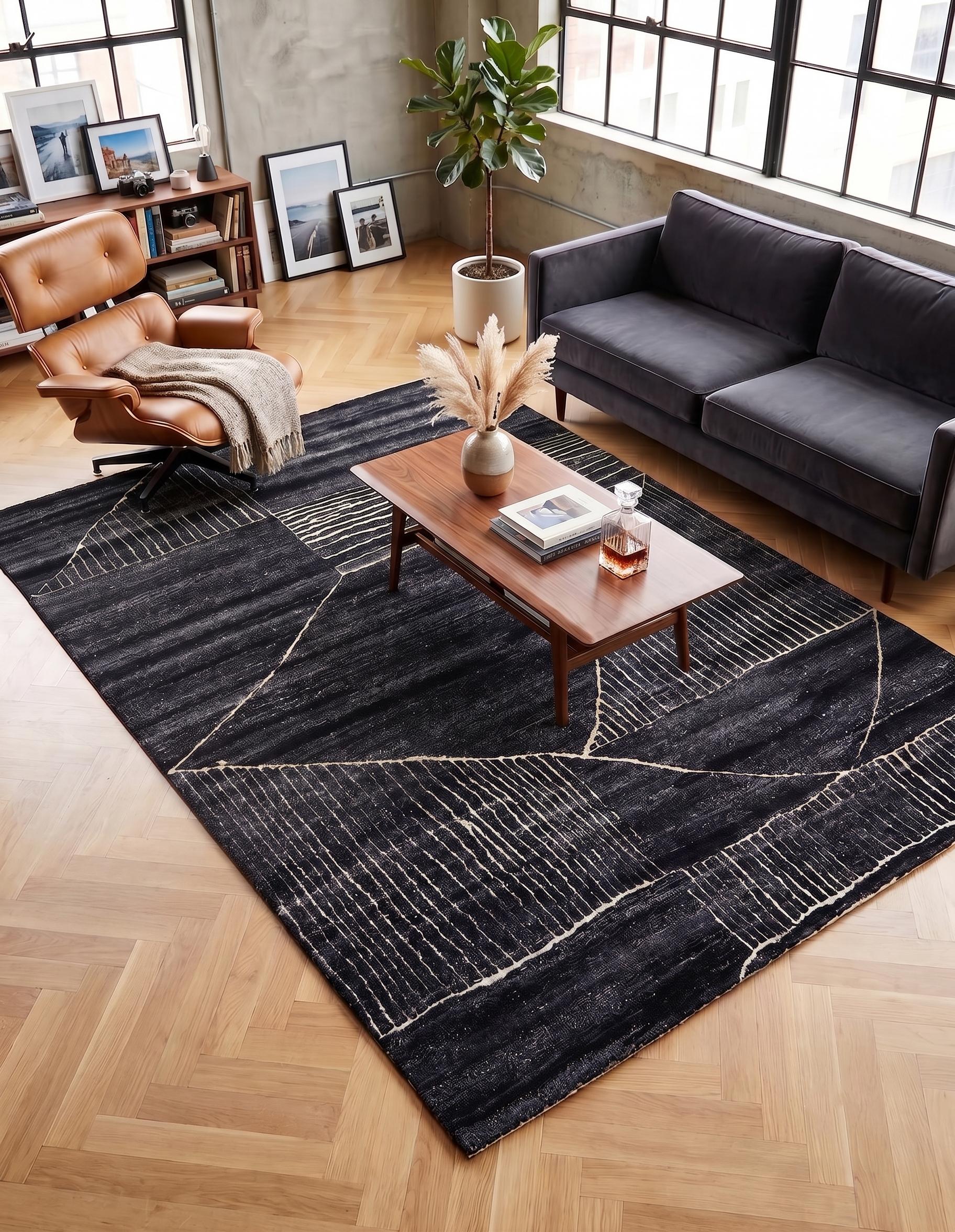
Designing a dining space that feels both harmonious and functional often comes down to the subtle details that balance the room. When homeowners step into the world of interior decoration, one common challenge quickly arises: determining What Size Round Rug for a Dining Table is ideal to create a perfectly proportional setup. A round rug can anchor a dining area beautifully, creating a soft focal point that breaks up hard rectangular angles in open floor plans. However, selecting a size that is too small leaves chair legs catching on the border every time guests push back from the table, while choosing a rug that is overly expansive can completely swallow the room and visually overcrowd surrounding furniture. Navigating these spatial proportions requires a practical understanding of clearance zones, table dimensions, and overall room architecture.
Understanding how to size a round rug for a dining table begins with a close look at the relationship between your table diameter and the movement of dining chairs. Dining room aesthetics rely heavily on balance, but practical usability dictates the dimensions. When a chair is pulled out so a person can sit down or stand up comfortably, all four legs of that chair should remain securely on the rug surface. If the rear legs slide off onto hardwood or tile, it creates an annoying wobble, damages flooring over time, and damages the edge of the rug itself. Therefore, calculating the correct size involves measuring the tabletop diameter and extending that measurement outwards on all sides to accommodate full chair extension.
Understanding the Golden Rule of Dining Rug Dimensions
To achieve seamless harmony in your dining space, designers universally recommend calculating rug dimensions by adding a generous buffer around the entire perimeter of the table. The foundational standard requires adding at least twenty-four inches, though thirty inches is even better, to every side of your dining table. For a round setup, this means you add four to five total feet to the diameter of your round table. For example, a standard four-foot round dining table that seats four people comfortably requires an eight-foot or nine-foot round rug to function effortlessly. This generous extension ensures that even when chairs are occupied and pulled back, the legs stay firmly planted on the rug pile, preserving both comfort and floor protection.
Applying this proportion calculation transforms the dining area or wool rug runners for hallways from an awkward arrangement into an inviting, curated dining suite. Beyond basic comfort, a properly proportioned rug acts as an acoustic sound dampener, catching the clatter of silverware and the scrape of chair legs across hard floor surfaces. This dimensional rule applies whether you are dressing an intimate breakfast nook or a grand, formal dining room. When the rug extends far enough beyond the table edge, it defines the dining zone as its own distinct room within a room, establishing clear spatial boundaries that naturally guide foot traffic through open-concept living spaces.
Sizing Guidelines for Small to Medium Round Tables
For compact spaces and small dining nooks, tables typically measure between thirty-six and forty-eight inches in diameter. A four-foot table creates a cozy setting for four diners, making it a popular choice for urban apartments and kitchen nooks. When pairing a four-foot table with a rug, an eight-foot round rug is typically the sweet spot. It provides two full feet of space around the entire table, allowing chairs to slide out without catching on the edges. If your dining space is particularly tight, a seven-foot rug may suffice, but keeping chair legs on the carpet pile becomes a tighter balancing act.
Sizing Guidelines for Large Round Tables
Grand dining spaces featuring six-foot or seven-foot round tables require substantial round rugs that can be custom-ordered or sourced from specialty rug makers. A six-foot table, designed to seat eight people, requires an eleven-foot or twelve-foot round rug to maintain proper scale. In these expansive settings, scale is everything; a rug that feels slightly too small will diminish the grand presence of a large dining set. Ensuring that the rug extends at least two and a half feet past the table edge maintains the elegant, stately proportions that large dining rooms demand.
When dealing with extra-large round tables, homeowners must also consider the surrounding architecture of the room. A massive round rug should leave a consistent border of exposed floor—ideally between twelve and twenty-four inches—between the outer edge of the rug and the walls or surrounding furniture. This exposed floor boundary acts as a visual frame, highlighting both the quality of your hard flooring and the beauty of the rug itself, ensuring that the room feels intentionally designed rather than crowded.
Evaluating Room Layout, Traffic Flow, and Spatial Balance
Choosing the correct rug size is not performed in isolation; it must account for the entire layout of the room and how people move through the space. A dining table often sits near pathways connecting the kitchen, living area, and hallways. If your dining rug extends too far into a primary walking path, it can create a tripping hazard or create awkward visual overlap with other floor coverings nearby. For instance, if your dining room transitions immediately into a main hallway featuring a hallway runner rug, you want to ensure there is enough bare floor between the round dining rug and the runner to let both textiles breathe visually.
Spatial balance also involves considering how adjacent rooms interact with one another in an open floor plan. A dining area often sits within line of sight of the main living room, where you might feature one of the Best Wool Area Rugs for Living Room settings. When viewing these spaces together, the round rug under the dining table should complement, rather than compete with, the rectangular or square rugs used in neighboring seating zones. Keeping consistent spacing from walls and maintaining logical traffic corridors ensures that the round rug serves as an anchor rather than an obstacle in your home's overall floor plan.
Connecting Hallways and Surrounding Transit Nooks
In homes where open pathways flow directly past the dining space, floor coverings must work together to direct foot traffic smoothly. Positioned near open archways or entry corridors, a round dining rug sets up a pleasant geometric contrast against linear floor coverings. If you have a carpet runner in hallway entrances leading toward the dining zone, leaving a gap of eighteen to twenty-four inches of exposed hardwood or tile between the edge of the hallway runner and the round dining rug creates a clean visual buffer.
This spatial separation prevents the floor from looking cluttered with overlapping carpets while establishing distinct movement zones throughout the home. Homeowners often coordinate colors or textures between their dining rug and surrounding floor coverings to create subtle design harmony. Whether using neutral tones or contrasting patterns, keeping generous space between different rugs maintains a clean, intentional aesthetic across the entire floor plan.
Material Selection, Durability, and Maintenance Considerations
Beyond calculating physical dimensions, selecting the right material for a dining room rug is essential for long-term satisfaction. Dining room rugs face unique challenges, including heavy foot traffic, sliding chair legs, and the constant threat of food spills and drink accidents. Flat-weave rugs and low-pile construction are vastly superior to high-pile or shag rugs in a dining environment. Chairs slide effortlessly across low-pile surfaces without bunching up the fabric, and flat surfaces are significantly easier to vacuum after meals.
Natural wool remains a premier material choice for dining rugs due to its inherent stain resistance, elasticity, and durability under heavy furniture. Wool fibers contain natural oils that repel liquids temporarily, giving you time to clean up accidental spills before they set into deep stains. For modern indoor-outdoor dining spaces or households with young children and pets, synthetic fibers offer exceptional stain defense and easy washability. Choosing a neutral pattern, such as a Gray and White Indoor Outdoor Rug, provides a chic, versatile backdrop that hides minor wear while offering incredible resilience against moisture and heavy traffic.
Long-Term Care and Keeping Your Dining Rug Clean
Maintaining a dining room rug requires a proactive approach to cleaning to ensure it remains a fresh and inviting focal point in your home. Regular vacuuming with the beater bar disengaged prevents food crumbs from being ground into the rug base by chair movement. Spills should be blotted immediately with a clean cloth rather than scrubbed, which can fray carpet fibers and push stains deeper into the backing.
Periodic professional care or thorough home cleaning keeps fiber colors vibrant and removes deep-seated dust. Utilizing specialized carpet cleaning clean carpet cleaning carpet techniques periodically helps refresh high-traffic areas under the dining table where food particles inevitably accumulate. Deep cleaning restores fiber pile resilience where heavy table legs press down, extending the lifespan of your investment and keeping your dining area looking pristine year after year.
Investing in Quality for Functional and Aesthetic Longevity
A well-chosen round dining rug represents a valuable investment in both the functionality and beauty of your home. Beyond simply covering the floor, Best Area Rugs for Master Bedroom or a high-quality rug protects expensive hardwood, tile, or stone flooring from scratches caused by shifting chair legs and heavy table bases. It acts as an acoustic shield, softening ambient noise during dinner conversations and creating an intimate atmosphere that encourages guests to linger around the table longer.
By measuring carefully, accounting for chair extension, and selecting durable, easy-to-clean materials, you eliminate the frustration of ill-fitting decor. A properly proportioned round rug ties together your table, chairs, lighting fixtures, and architectural features into a unified interior style. Investing time upfront in accurate measurements ensures that your dining room remains a stylish, comfortable, and seamless backdrop for countless family meals and social gatherings in the years ahead.
Frequently Asked Questions
What size round rug do I need for a 48-inch round dining table?
For a 48-inch (four-foot) round dining table, an eight-foot round rug is the ideal size for most spaces. Adding twenty-four inches of rug space around the entire perimeter of the table requires adding four feet to the tabletop diameter, resulting in an eight-foot rug. This dimension provides ample space for chairs to be pulled out completely without the back legs dropping off the edge of the rug, preserving floor protection and sitting comfort. If space is exceptionally tight, a seven-foot round rug can work, but an eight-foot rug provides the most seamless and comfortable dining experience.
Should a round rug under a dining table match the shape of the table?
Matching the shape of your rug to the shape of your dining table creates an exceptionally cohesive and balanced visual arrangement. A round rug under a round dining table emphasizes the organic geometry of the room, drawing eyes inward toward the center of the eating area. While square rugs can sometimes work under round tables if the room architecture favors straight lines, a round rug highlights the table’s curve and optimizes floor space in compact or square rooms without creating awkward, unused rug corners.
How much bigger should a round rug be than the dining table?
As a general design rule, a round rug should be four to five feet larger in diameter than the round dining table sitting on top of it. This translates to an extra twenty-four to thirty inches of rug extending beyond the edge of the tabletop on all sides. This extended border ensures that when guests push their chairs back to sit down or stand up, all four chair legs remain safely on top of the rug, preventing wobbling, edge tripping, or scratching on bare flooring.
How do I maintain a round rug in a high-traffic dining area?
Maintaining a dining rug involves routine care and choosing low-pile or flat-weave materials that tolerate frequent chair movement. Vacuum the rug regularly without a heavy beater bar to avoid pulling fibers, and spot-clean spills immediately by blotting with damp cloths and mild soap. Periodically scheduling deep carpet cleaning clean carpet cleaning carpet services helps eliminate trapped food particles and refreshes high-traffic zones. Additionally, rotating the rug 180 degrees once or twice a year distributes chair wear evenly across the entire surface.
How do I coordinate a round dining rug with other rugs in an open floor plan?
Coordinating rugs in an open floor plan requires balancing shapes, colors, and textures while leaving generous bare floor gaps between different zones. If your dining area connects to a main living space featuring one of the Best Wool Area Rugs for Living Room setups, choose complementary color palettes or subtle neutral tones rather than matching patterns identically. If an adjacent hallway uses a hallway runner rug, ensure there is at least eighteen inches of exposed floor between the edge of the runner and the round dining rug to keep pathways defined and visually uncluttered.
Conclusion
Finding the perfect round rug size for your dining table comes down to combining simple math with an appreciation for room proportions. By measuring your table diameter and adding at least four feet to account for chair movement, you create an inviting, highly functional dining layout that protects your floors and enhances comfort. Whether you are outfitting an intimate breakfast nook or anchoring an open-concept dining space, keeping proper clearance zones ensures your dining area feels balanced and effortlessly sophisticated. Measure carefully, choose low-pile and durable materials, and enjoy the transformative warmth a well-proportioned round rug brings to your home.

 English
 French
 Spanish
 Portuguese
 Deutsch
 Turkish
 Dutch
Dutch
 Italiano
 Russian
 Romaian
 Portuguese (Brazil)
 Greek
Greek