Introduction
Choosing the right European holiday can be challenging when there are so many destinations, routes, and travel styles available. Eastern Europe stands out for travellers who want a combination of historic cities, impressive architecture, cultural experiences, scenic landscapes, and memorable local traditions. From the old streets of Prague to the grand avenues of Vienna and the Danube views of Budapest, the region offers plenty to explore within a single trip. Eastern Europe Holiday Packages can make planning easier by bringing destinations, sightseeing, transfers, and accommodation into a more organized travel experience.
However, finding the best package is not simply about choosing the longest itinerary or the largest number of destinations. The right package should match your travel interests, available time, preferred pace, and expectations from the holiday.
Why Choose Eastern Europe for a European Holiday?
Eastern Europe offers a distinctive mix of history and modern travel experiences. Many cities feature preserved historic centres, castles, churches, palaces, museums, riverside promenades, and lively public squares.
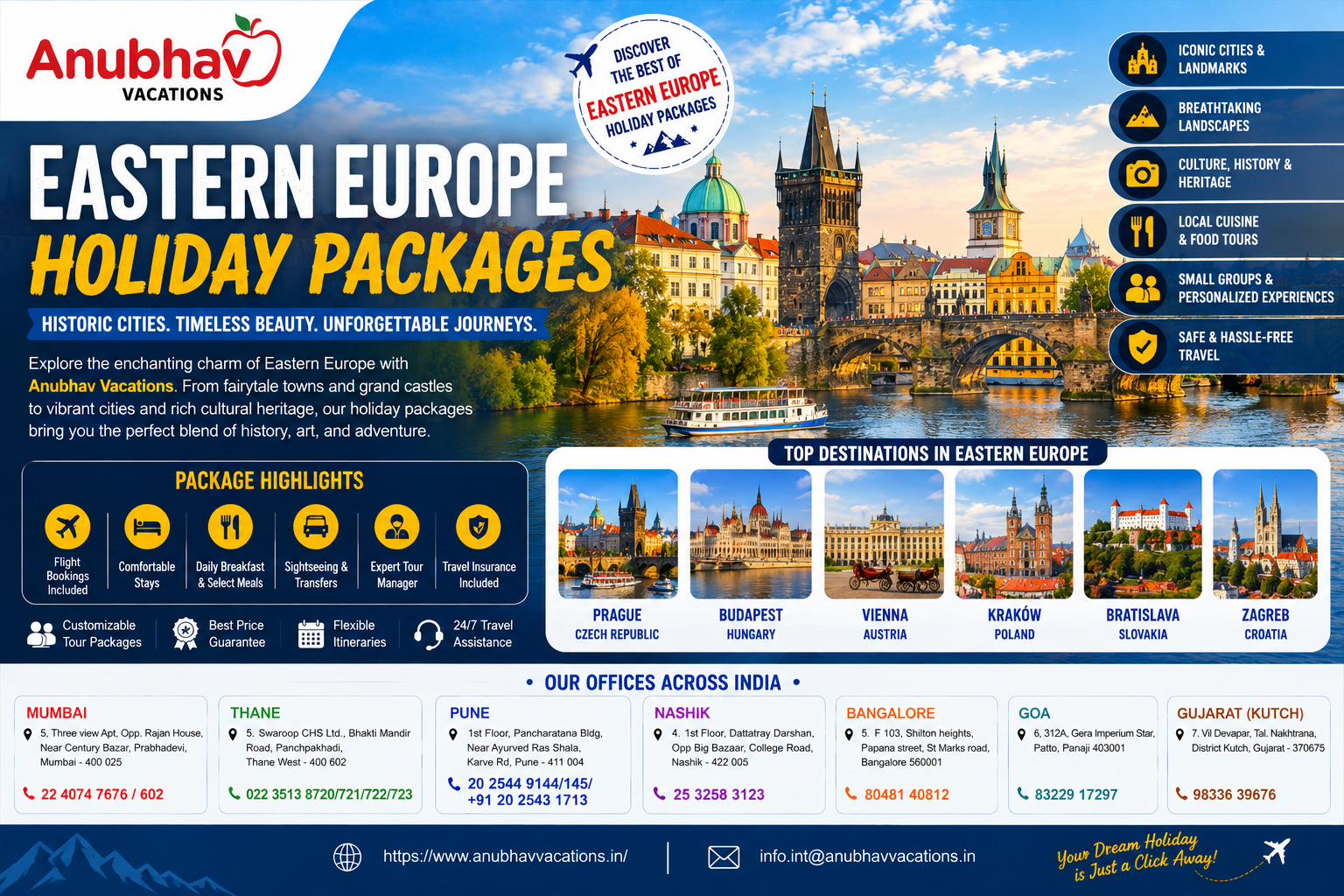
Prague is known for its historic atmosphere and architectural character, while Vienna combines imperial heritage with museums, music, palaces, and café culture. Budapest adds another dimension with the Danube, historic landmarks, thermal baths, and distinctive city views. Krakow can add medieval architecture and important historical attractions to a longer route.
This variety means travellers can experience several different aspects of Europe without focusing exclusively on one type of attraction.
Start by Comparing the Destinations Included
One of the easiest ways to compare holiday packages is to examine the destinations included in each route.
A shorter journey may focus on three major cities such as Prague, Vienna, and Budapest. This can work well for first-time travellers who want a manageable route with enough time for sightseeing.
Longer journeys may add destinations such as Krakow, Bratislava, Salzburg, or smaller towns. These routes can provide greater variety, but they may also involve more travel between destinations.
The best choice depends on whether you prefer depth or variety. Spending two or three days in fewer cities can feel more relaxed than attempting to cover many places in a short period.
Look for a Balanced Travel Pace
A good holiday package should give you enough time to experience a destination rather than simply pass through it.
When comparing packages, check how many nights are allocated to each major destination. An itinerary that constantly changes hotels may look impressive on paper but can become tiring in practice.
A balanced route should allow time for guided sightseeing as well as personal exploration. You may want to revisit a historic square, enjoy a local café, browse a market, take photographs, or simply relax after a sightseeing day.
For this reason, the number of destinations should never be the only factor when deciding between packages.
Consider the Type of Experiences You Want
The best package is usually the one that matches your personal interests. Eastern Europe offers a wide range of experiences, so identify your priorities before making a decision.
History enthusiasts may prefer routes with castles, museums, memorials, old towns, and important heritage sites. Architecture lovers may enjoy Prague and Vienna, while travellers interested in riverside scenery can look for experiences around the Danube.
Food lovers may want opportunities to explore local cuisine and traditional markets. Meanwhile, travellers looking for relaxation may appreciate destinations known for thermal baths, scenic walks, and slower-paced cultural experiences.
This approach makes it easier to identify Eastern Europe cultural travel experiences that genuinely add value to the holiday rather than selecting attractions simply because they appear on a checklist.
Check How Intercity Travel Is Arranged
Transportation between destinations is an important part of any multi-city European holiday. A route may look straightforward on a map but still require considerable travel time.
Packages may use trains, coaches, flights, private transfers, or a combination of these options. When comparing options, look at how frequently you need to pack, check out, transfer, and check into another hotel.
A well-planned route should make transportation feel like part of the journey rather than an inconvenience. Scenic rail or road travel can also provide opportunities to see changing landscapes between major destinations.
Think About Sightseeing Inclusions
Another important factor is what the package actually includes. Two holidays may visit the same cities but offer very different experiences depending on the sightseeing arrangements.
Look for clear information about guided city tours, landmark visits, cruises, cultural activities, and optional excursions. A package with thoughtfully selected experiences can save you from having to research every attraction separately after arrival.
At the same time, make sure the itinerary leaves enough free time. A holiday becomes more enjoyable when you have some flexibility rather than spending every hour following a fixed schedule.
Choose the Right Season
The time of year can influence the atmosphere of an Eastern European holiday considerably.
Spring can be appealing for travellers who enjoy comfortable sightseeing conditions and seasonal scenery. Summer generally offers longer daylight hours and lively city environments. Autumn can bring a different atmosphere with changing colours and a calmer feel in some destinations.
Winter has its own appeal, especially for travellers interested in festive markets, seasonal decorations, and a colder European atmosphere.
Instead of asking which season is universally best, consider what type of holiday you want to experience. This can help you narrow down suitable packages more effectively.
Consider the Needs of Indian Travellers
For Indian travellers, practical considerations can also influence the choice of a holiday package. The overall route, travel duration, meal preferences, sightseeing pace, accommodation standards, and transportation arrangements can all affect how comfortable the trip feels.
It is useful to check whether the itinerary allows sufficient rest after long journeys and whether the planned sightseeing pace is suitable for your travel group.
Travellers should also review the documentation and visa requirements applicable to their trip well in advance. Having these practical aspects organized can make the overall travel experience smoother.
Compare Packages Based on Overall Value
The best package is not necessarily the one with the lowest price or the highest number of inclusions. Instead, consider the overall value of the experience.
Look at the destinations, accommodation, transportation, sightseeing, free time, and organization of the route together. A package that offers a sensible travel pace and meaningful sightseeing may provide better value than an overloaded itinerary.
You should also check what is included and excluded before making a decision. Understanding these details helps prevent confusion during the planning process.
Look for Flexibility Where Possible
Every traveller has different interests, so flexibility can be valuable. Some people want more time for museums and historical attractions, while others prefer photography, shopping, food, or relaxed exploration.
A good package should provide enough structure to make travel convenient while leaving some space for personal interests.
If you are travelling with family or friends, consider everyone's preferences before selecting the itinerary. A balanced route is usually easier for different age groups and travel styles to enjoy together.
Why Organized Packages Can Help First-Time Visitors
First-time visitors often spend considerable time researching where to stay, how to move between cities, which attractions to prioritize, and how much time to allocate to each destination.
An organized package can reduce much of this planning burden. Instead of building every part of the journey independently, travellers can start with a structured route and focus on enjoying the destinations.
This can be especially useful when the trip combines several countries or cities. Coordinating transfers and sightseeing across multiple destinations can otherwise become time-consuming.
How to Identify a Well-Designed Package
Before booking, review the itinerary from beginning to end and ask a few practical questions.
Does the route make geographical sense? Are there enough nights in each destination? Is there a reasonable balance between sightseeing and free time? Are the major attractions you care about included? Is transportation clearly explained?
Also consider whether the itinerary feels realistic. A package should provide memorable experiences without making every day feel rushed.
The strongest holiday plans usually combine famous highlights with enough flexibility to appreciate the character of each destination.
Conclusion
Finding the best Eastern Europe Holiday Packages starts with understanding what you want from your European holiday. Instead of choosing an itinerary based only on the number of destinations, compare the travel pace, sightseeing experiences, transportation arrangements, accommodation, season, and available free time.
A thoughtfully planned Eastern European journey can bring together historic cities, impressive architecture, cultural attractions, scenic routes, and local experiences while keeping the overall trip organized. By comparing these elements carefully, travellers can select a package that feels comfortable, meaningful, and well suited to their first or next European adventure.
FAQs
1. What should I look for in an Eastern Europe holiday package?
Look at the destinations, number of nights, sightseeing inclusions, transportation, accommodation, travel pace, free time, and overall route before making a decision.
2. Which destinations are popular for an Eastern Europe holiday?
Prague, Vienna, Budapest, and Krakow are commonly included in multi-city Central and Eastern European routes. Longer itineraries may include additional cities and smaller destinations.
3. How many days are ideal for an Eastern Europe holiday?
The ideal duration depends on the number of destinations. A shorter trip can focus on a few major cities, while a longer holiday allows more time for additional destinations and excursions.
4. Are Eastern Europe holiday packages suitable for first-time visitors?
Yes. Organized packages can simplify transportation, sightseeing, accommodation planning, and route selection, making them convenient for travellers who are unfamiliar with the region.
5. How can I choose the right Eastern Europe package for my family?
Consider the interests, preferred travel pace, age groups, sightseeing preferences, accommodation needs, and amount of free time required by everyone travelling together.
Read Our Previous Blog-----------> Are Norway Group Tours a Good Choice for Your First Visit?




 English
 Arabic
 French
 Spanish
 Portuguese
 Deutsch
 Turkish
 Dutch
Dutch
 Italiano
 Russian
 Romaian
 Greek
Greek