


Papaya Orange Vinyl Wrap: A Bold Automotive Style
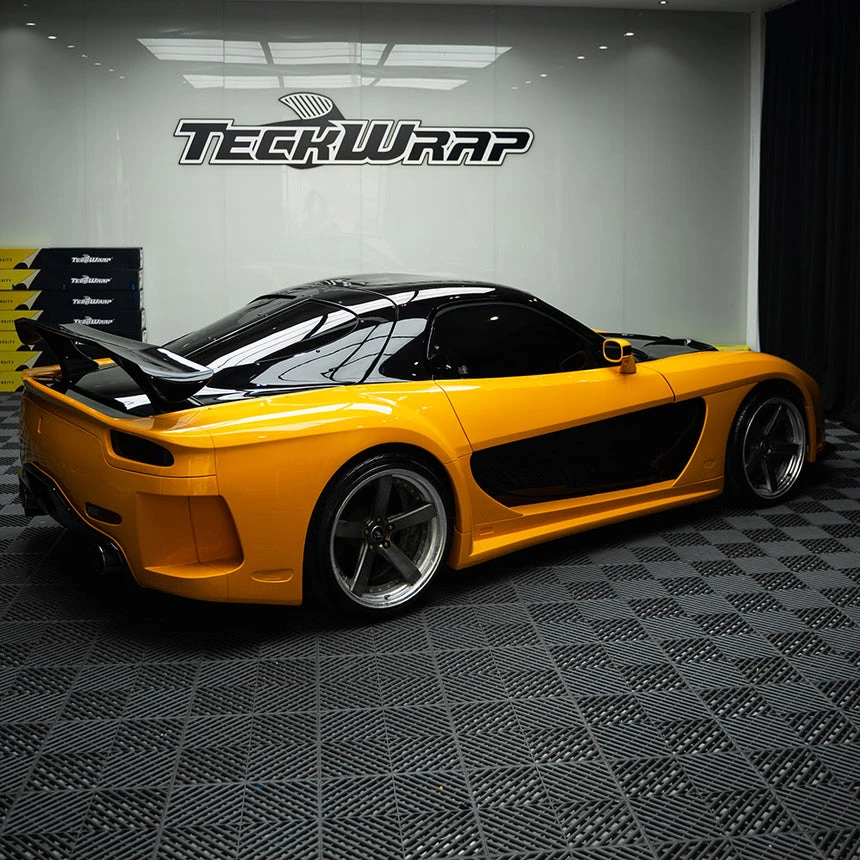
A papaya orange vinyl wrap for car applications gives a vehicle a distinctive look without permanently changing its factory paint. The warm orange shade combines the energy of a bright colour with a slightly softer, more sophisticated appearance than some traditional orange finishes.
Whether you drive a sports car, hatchback, coupe, SUV, or daily vehicle, a papaya orange wrap can create a strong visual identity. Modern automotive vinyl films also offer different finishes, including gloss, satin, and matte, allowing owners to customise the final appearance.
What Is a Papaya Orange Vinyl Wrap?
A papaya orange vinyl wrap is an automotive-grade film designed to cover a vehicle's painted exterior. Installers apply the material over prepared body panels, allowing the original paint colour to remain underneath the film.
Unlike a permanent respray, vinyl wrapping provides a reversible approach to vehicle styling. When a professionally installed film reaches the end of its useful life, an experienced installer can remove it and reveal the underlying paint.
The exact appearance depends on the film manufacturer, colour formulation, lighting conditions, and finish. A gloss version can produce a vivid, reflective appearance, while satin or matte options create a more understated result.
High-quality cast vinyl generally works well for automotive applications because it can conform to curved panels, contours, and body lines when installed correctly.
Why Choose Papaya Orange for Your Car?
Orange immediately attracts attention, but papaya orange offers more flexibility than an extremely fluorescent shade. Its warm character can make a vehicle look sporty while still maintaining a premium appearance.
The colour works particularly well on cars with aggressive bodywork, sculpted panels, modern headlights, and contrasting black or dark trim. Black wheels, grilles, mirrors, spoilers, and window surrounds can create a strong visual contrast against the orange exterior.
Papaya orange can also suit owners who want something different from common choices such as black, white, silver, or grey. Instead of purchasing a vehicle in a factory colour, a vinyl wrap provides an opportunity to create a more personalised appearance.
The choice of finish also changes how the colour behaves visually. Gloss tends to make the orange appear brighter and more vibrant, while satin reduces reflections and gives the bodywork a smoother appearance.
Choosing the Right Papaya Orange Finish
The finish plays an important role in the final appearance of an orange car wrap.
Gloss Papaya Orange
A gloss finish creates a bright, reflective surface similar to freshly polished paint. It can emphasise the curves and contours of performance-oriented vehicles.
This option works particularly well when the goal is maximum colour intensity and a showroom-style appearance.
Satin Papaya Orange
Satin sits between gloss and matte. It reflects some light without producing the strong shine associated with a traditional gloss finish.
For drivers who want a modern and premium appearance, satin papaya orange can offer a balanced alternative.
Matte Papaya Orange
Matte vinyl reduces surface reflection and gives the vehicle a flatter appearance. It can make sharp body lines and aggressive styling details stand out.
Matte finishes require careful cleaning because incorrect washing methods can affect the appearance of the film.
Benefits of a Papaya Orange Car Wrap
Choosing an automotive vinyl wrap provides several practical and styling advantages.
Custom appearance: A wrap can dramatically change the colour and visual character of a vehicle without repainting every panel.
Reversible styling: Unlike permanent paintwork, vinyl can generally be removed by a qualified professional when the owner wants another colour or the original finish.
Wide finish selection: Drivers can choose between gloss, satin, matte, metallic, and other specialised appearances depending on available film ranges.
Potential paint protection: Vinyl creates a physical film layer over the painted surface. It can help shield the underlying finish from some everyday surface exposure, although it should not be treated as a replacement for dedicated paint protection film.
Faster colour changes: Wrapping can provide a practical alternative to a full respray, particularly for owners who want to experiment with unusual colours.
The condition of the original paint matters. Vinyl does not repair damaged bodywork, deep scratches, rust, or peeling paint. Installers need a sound and properly prepared surface for the best result.
How to Prepare and Install a Papaya Orange Wrap
Professional preparation has a major influence on the final appearance of a car wrap.
The vehicle should first receive a thorough cleaning to remove dirt, grease, wax, and other contaminants. Installers then inspect the paintwork and identify areas that may require correction before application.
Panels need to remain clean and dry during installation. The installer measures and positions sections of film before carefully applying them to the vehicle's bodywork.
A professional uses appropriate tools to manage the material around curves, edges, recesses, and other complex areas. The film must sit smoothly without excessive wrinkles, bubbles, or visible lifting.
Door edges, handles, mirrors, bumpers, and other complicated sections require particular attention. Poor preparation or rushed installation can create visible imperfections and reduce the lifespan of the wrap.
For a full vehicle colour change, choosing an experienced installer is often more important than simply selecting an attractive colour.
How to Maintain a Papaya Orange Vinyl Wrap
Regular maintenance helps preserve both the colour and surface finish of the film.
Hand washing with a wrap-safe cleaning solution is generally preferable to aggressive cleaning methods. Use soft microfiber materials and avoid abrasive products that could damage the film's surface.
Remove bird droppings, tree sap, road grime, and other contaminants as soon as practical. Leaving contaminants on the surface for extended periods can make cleaning more difficult.
Automatic car washes with harsh brushes can also create unnecessary wear. Always follow the care instructions supplied by the film manufacturer or professional installer.
Parking in a garage or shaded location can reduce prolonged exposure to intense sunlight and environmental contaminants. The expected lifespan of a wrap depends on the film, climate, installation quality, maintenance routine, and vehicle use.
Papaya Orange Vinyl Wrap vs Car Paint
A vinyl wrap and a traditional respray approach can both transform a vehicle, but they serve different purposes.
Paint permanently changes the vehicle's finish and involves preparation, primer, colour coats, and protective clear coating. A wrap uses a removable film applied over the existing exterior.
For owners who regularly change their vehicle's appearance, vinyl offers greater flexibility. Someone who wants a permanent colour transformation may prefer professional paintwork.
Wraps can also offer access to colours and finishes that may not be available as standard factory paint options. However, film can eventually require replacement, whereas properly maintained automotive paint can last for many years.
The condition of the existing paint, intended ownership period, budget, and desired finish should all influence the decision.
Is Papaya Orange Right for Your Vehicle?
Papaya orange works particularly well for drivers who want a noticeable colour without choosing an extremely conventional finish. It can complement sporty vehicles, modern SUVs, compact cars, and customised builds.
Before ordering film, request a physical colour sample if possible. Digital screens can display colours differently, and the same shade may appear noticeably different under sunlight, showroom lighting, or shade.
Consider the vehicle's trim, wheel colour, brake calipers, badges, and exterior accessories when selecting the final combination.
Frequently Asked Questions
Is papaya orange a good colour for a car wrap?
Yes. Papaya orange provides a distinctive appearance and can work particularly well with black, dark grey, or metallic exterior details.
Can I wrap my car orange without changing the original paint?
Yes. Automotive vinyl sits over the existing exterior finish. When properly installed and removed, it can allow the original colour to remain underneath.
How long does a papaya orange car wrap last?
Lifespan varies according to film quality, installation, climate, maintenance, and exposure to sunlight. Following the manufacturer's care recommendations can help maximise durability.
Can I choose a gloss or satin papaya orange finish?
Availability depends on the manufacturer and specific film range. Gloss and satin finishes can create noticeably different appearances even when they use a similar orange colour.
Does a vinyl wrap protect car paint?
Vinyl creates a protective film layer that can help reduce exposure to some everyday contaminants and minor surface wear. It does not provide the same function as dedicated paint protection film.
Can a wrapped car be washed normally?
Yes, but gentle hand washing with suitable products is generally recommended. Avoid abrasive cleaning materials and harsh washing methods that may damage the film.
Should I install a papaya orange wrap myself?
Small and simple applications may be suitable for experienced DIY users, but a full vehicle colour change involves complex curves, edges, bumpers, and other difficult areas. Professional installation can produce a cleaner and more durable result.

 English
 Arabic
 French
 Spanish
 Portuguese
 Deutsch
 Turkish
 Italiano
 Russian
 Romaian
 Portuguese (Brazil)
 Greek
Greek