


What Is the Difference Between Beard Transplant and Other Facial Hair Treatments?
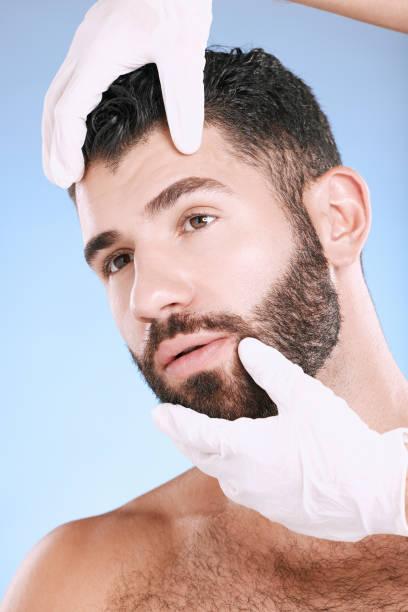
Beard Hair Transplant in Dubai differs from non-surgical facial-hair treatments because it adds new living hair follicles to areas where natural beard growth is insufficient. Other approaches may improve the appearance of the skin or temporarily enhance the look of facial hair, but they do not necessarily create new beard follicles.
The right choice depends on the reason for the concern. Someone with a temporary skin issue may need a very different solution from someone with permanently absent follicles caused by genetics, trauma or scarring.
Beard Transplant Versus Beard Grooming
Grooming can dramatically change how a beard looks.
Strategic trimming, shaping and styling may make an existing beard appear denser or more defined.
However, grooming cannot create follicles in an area where they do not exist.
Grooming works with existing hair
A skilled barber can improve:
- Beard shape
- Cheek-line definition
- Jawline appearance
- Moustache balance
- Visual symmetry
This may be enough for someone whose main concern is styling.
A transplant becomes relevant when the underlying issue involves missing or insufficient follicular growth.
Beard Transplant Versus Cosmetic Beard Products
Beard fibres, pencils and other cosmetic products can temporarily disguise sparse areas.
They can be useful for photographs, events or everyday styling.
However, these products sit on or around existing hair and do not change follicle density.
They also need to be reapplied.
A transplant takes a different approach by introducing follicles into selected areas.
Beard Transplant Versus Topical Products
Topical treatments may be used for certain hair-growth concerns, depending on the underlying cause and clinical assessment.
They are not equivalent to transplant surgery.
A topical product does not physically relocate a follicle from a donor region into a permanently hairless scar or facial area.
Patients should also avoid assuming that every type of beard thinning responds to the same topical treatment.
The cause needs to be understood first.
Beard Transplant Versus Injectable or Regenerative Treatments
Some aesthetic clinics offer treatments designed to support skin or hair biology through injectable or regenerative approaches.
These treatments are fundamentally different from transplantation.
A transplant physically relocates follicular units.
Other therapies may aim to influence the condition of existing follicles or surrounding tissue, depending on the treatment.
They should therefore not be presented as interchangeable options.
Beard Transplant Versus Microblading or Cosmetic Pigmentation
Pigmentation techniques can create the visual impression of beard density by placing pigment into the skin.
They can be useful for patients seeking a stubble-like appearance or stronger visual definition.
However, pigmentation does not produce actual hair.
A transplant creates real follicular growth, which can be trimmed and groomed as it matures.
The visual effect is different
Pigmentation mainly changes the appearance of the skin.
Transplantation changes the biological source of facial hair.
The choice depends on the desired outcome.
Beard Transplant Versus Laser Hair Removal
Laser hair removal has the opposite objective.
Instead of increasing facial-hair growth, it is designed to reduce unwanted hair.
This can be useful when someone wants less facial hair in a particular region.
It is therefore not an alternative to beard restoration.
Beard Transplant Versus Dermal or Cosmetic Beard Enhancement
Some cosmetic treatments can alter facial contours or skin appearance around the beard.
They may change how the jawline or chin is perceived.
However, they do not replace missing follicles.
For patients whose main concern is sparse facial hair, follicular restoration addresses a different anatomical issue.
Why FUE Beard Transplant Is Different
FUE involves the extraction of individual follicular units from a suitable donor area.
The selected grafts are then placed into carefully prepared recipient sites.
This creates the possibility of new beard growth in areas that previously had inadequate follicular coverage.
The result therefore depends on biological follicular growth rather than surface camouflage alone.
Comparing the Main Approaches
| Approach | Creates new beard follicles | Long-term hair growth | Main purpose |
|---|---|---|---|
| Beard transplant | Yes | Yes, from transplanted follicles | Restore missing or sparse growth |
| Grooming | No | No | Shape existing beard |
| Beard fibres | No | No | Temporary visual density |
| Cosmetic pigmentation | No | No | Create a stubble-like visual effect |
| Topical treatment | No new follicles | Depends on response | Support existing growth in selected cases |
| Laser hair removal | No | Reduces targeted hair | Hair reduction |
The appropriate option depends on the underlying problem and the patient's desired result.
When a Beard Transplant Makes More Sense
Transplantation may be considered when the concern is persistent and related to insufficient follicular coverage.
Examples include:
- Permanent beard gaps
- Naturally sparse areas
- Missing cheek growth
- Weak jawline coverage
- Facial scars without active instability
- Areas where follicles were damaged by previous trauma
The donor area must also contain suitable follicles.
Why Facial Anatomy Changes the Decision
A beard transplant is not simply a hair procedure.
It is performed on the face, where hair direction, density and borders influence facial proportions.
The treatment therefore needs to consider how the new growth will interact with the patient's existing features.
This is one reason transplantation should be planned individually rather than using a fixed beard template.
Clinic note: The key difference is biological. Cosmetic products change appearance temporarily, while transplantation introduces follicular units that can produce new facial hair after they establish themselves.
Combining Treatments May Sometimes Be Considered
Different concerns can sometimes require different approaches.
For example, a patient may use professional grooming to shape existing hair while considering transplantation for permanent gaps.
Another patient may prefer pigmentation rather than actual hair growth.
The important point is to identify the primary concern before choosing a treatment.
What Patients Should Ask Before Choosing
Before selecting a facial-hair treatment, consider:
- Is the problem missing follicles or simply fine hair?
- Do I want actual hair growth or visual camouflage?
- Is the beard pattern stable?
- Do I have sufficient donor follicles?
- How permanent do I want the solution to be?
- What grooming style do I normally maintain?
- How much recovery time can I accommodate?
These questions can make the consultation more productive.
Choosing a Long-Term Facial Hair Strategy
Beard restoration should be selected according to anatomy, cause and aesthetic goals rather than popularity alone.
For suitable candidates, Beard Hair Transplant in Dubai offers a way to introduce actual follicles into areas where natural beard growth is insufficient.
Tajmeels Clinic can assess your facial-hair pattern and discuss whether follicular transplantation or another approach better matches your goals.

 English
 Arabic
 French
 Spanish
 Portuguese
 Deutsch
 Turkish
 Dutch
Dutch
 Italiano
 Russian
 Romaian
 Portuguese (Brazil)