


Jawline Contouring in Islamabad: Understanding Left-to-Right Jaw Differences
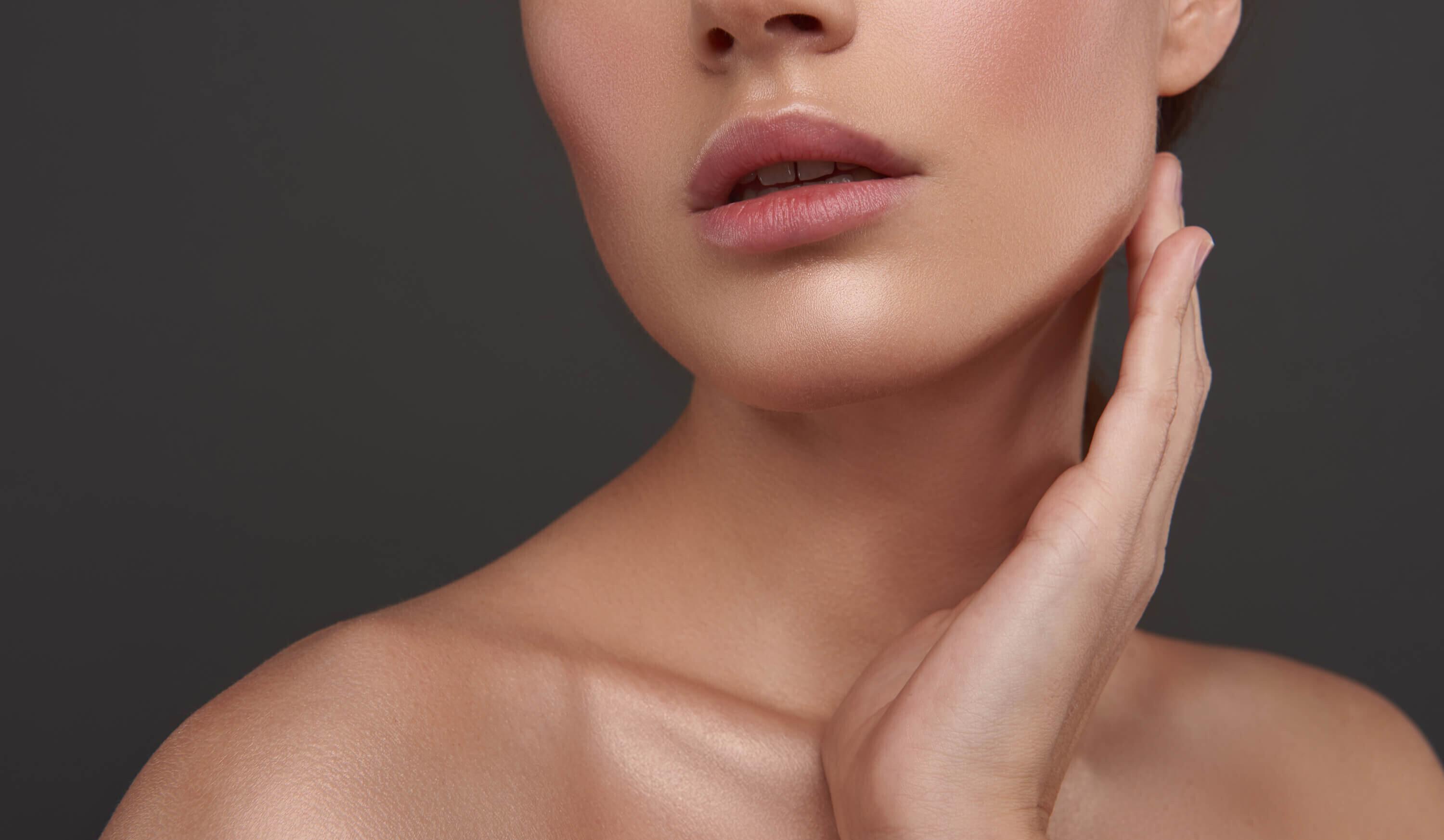
Have you ever noticed that one side of your jaw seems slightly sharper, fuller, or lower than the other? You may see the difference most clearly in photographs, while looking in the mirror, or when viewing your face from an angle. Small left-to-right differences are normal, but more noticeable asymmetry can sometimes affect how balanced the lower face appears.
For patients considering Jawline Contouring in Islamabad, understanding why these differences occur is important before deciding on treatment. Jaw asymmetry can involve the bone, chin, muscles, fat, skin, or several structures at the same time.
Is Left-to-Right Jaw Asymmetry Normal?
Most human faces are not perfectly symmetrical. The two sides of the face can differ slightly in bone shape, muscle size, soft-tissue distribution, and even the position of individual features.
Minor jaw differences are usually a natural part of facial anatomy. A completely identical left and right side is neither common nor necessarily necessary for an attractive appearance.
The important question is whether the difference is noticeable enough to concern you and whether it comes from a structure that can realistically be addressed.
What Can Cause One Side of the Jaw to Look Different?
There are several possible reasons for left-to-right differences. Some are present naturally, while others may develop because of growth, injury, dental alignment, weight changes, or previous procedures.
A difference may also become more obvious over time as facial tissues change. The visible asymmetry does not always identify its underlying cause, which is why a proper assessment is important.
In some people, the jawbone is responsible. In others, muscle or soft-tissue differences create most of the visible imbalance.
Jawline Contouring in Islamabad: What Should Be Assessed?
Before planning Jawline Contouring in Islamabad, a surgeon should examine both sides of the lower face and determine where the difference is coming from.
- Jawbone: Differences in mandibular size, shape, or position may affect the overall outline.
- Chin: A chin that sits slightly to one side can make the entire lower face appear uneven.
- Masseter muscles: Differences in muscle size may create more width on one side.
- Facial fat: Unequal soft-tissue fullness can make one side appear heavier.
- Skin: Differences in skin laxity or soft-tissue thickness may affect the visible contour.
- Submental area: Uneven fullness beneath the chin can alter the jaw-to-neck transition.
- Dental alignment: Bite or tooth-position issues can sometimes contribute to perceived lower-face asymmetry.
- Previous injury: Trauma can change the position or shape of facial structures.
A complete assessment helps distinguish between skeletal and soft-tissue asymmetry before treatment is considered.
Can Jawline Contouring Correct Left-to-Right Differences?
In selected cases, contouring may improve the visible difference between the two sides of the jaw. This may be possible when asymmetry is primarily related to localised fat, muscle bulk, skin, or other soft-tissue factors.
However, contouring cannot correct every form of jaw asymmetry. Significant differences in the underlying jawbone may require a different type of specialist assessment.
The aim is generally to reduce a noticeable imbalance rather than attempt to make both sides mathematically identical.
When Is the Jawbone Responsible?
The mandible provides the structural foundation of the lower face. If one side develops differently from the other, the jawline may appear higher, wider, longer, or more prominent on that side.
This type of asymmetry is different from having unequal amounts of facial fat. Soft-tissue contouring cannot simply reposition a significantly asymmetric jawbone.
If skeletal asymmetry is accompanied by bite problems, jaw discomfort, or major differences in jaw position, a dental, orthodontic, or maxillofacial evaluation may be appropriate.
Can Muscle Size Cause Uneven Jaw Width?
The masseter muscles sit near the back of the jaw and help with chewing. Their size can vary between individuals and, in some cases, one side may be more prominent than the other.
This can make one side of the lower face look wider even when the underlying bone is relatively balanced. Muscle-related asymmetry needs to be distinguished from skeletal or fat-related differences.
Habits such as chewing predominantly on one side may also influence muscle development, although the cause of any noticeable asymmetry should be assessed rather than assumed.
What Role Does the Chin Play?
The chin is central to lower-face balance. If it sits slightly to one side, the jawline may appear uneven on both sides, even when the mandibular body itself is relatively symmetrical.
From the front, chin position can influence the apparent centre of the face. A small change in chin position can therefore make a larger difference to how the jawline is perceived.
During consultation, the chin should be assessed alongside the jaw rather than treated as a completely separate feature.
Can Facial Fat Create Left-to-Right Differences?
Unequal fat distribution can sometimes make one side of the lower face appear fuller. This may be noticeable around the cheeks, jawline, or beneath the chin.
If soft-tissue fullness is the main contributor, carefully planned contouring may help create a more balanced appearance. Fat removal should remain conservative, because excessive reduction can create hollowness or make natural asymmetry more noticeable.
The objective should be controlled improvement rather than removing as much volume as possible.
How Does Skin Affect Jaw Symmetry?
Skin and soft tissue form the outer layer over the facial structures. Differences in skin thickness, elasticity, or tissue distribution can therefore affect how symmetrical the jawline appears.
Ageing and significant weight loss may also lead to changes in skin laxity. Loose tissue can hide the underlying jaw structure on one side more than the other.
This is another reason why simply looking at the jawbone is not enough when planning cosmetic contouring.
Previous Injury Can Change Jaw Appearance
A previous facial injury can sometimes alter the appearance of the lower face. Trauma may affect the jawbone, teeth, muscles, or surrounding soft tissues.
Even an injury that occurred years ago can remain relevant during treatment planning. Tell your surgeon about previous accidents, falls, sports injuries, or other facial trauma.
This information can help explain an asymmetry and determine whether additional evaluation is needed.
Dental Alignment and Jaw Symmetry
The position of the teeth and the way the upper and lower jaws meet can influence facial balance. In some cases, a bite problem or dental asymmetry may contribute to the perception that one side of the jaw is different.
Cosmetic contouring is not a substitute for orthodontic or maxillofacial treatment when the underlying issue is functional or skeletal.
If you have a noticeable bite problem, difficulty chewing, or jaw discomfort, mention it during your consultation so the appropriate assessment can be considered.
Pakistani Facial Anatomy and Natural Asymmetry
Pakistani patients have diverse facial structures, and natural asymmetry can appear in many different ways. Differences in jaw width, chin projection, cheek volume, skin thickness, and muscle development are all possible.
There is no single standard of facial symmetry that applies to every Pakistani patient. Treatment should be based on the individual's anatomy rather than an idealised template.
Reference photographs can help communicate what you like, but they should not be treated as a guarantee of an identical result.
Does Weight Affect Left-to-Right Balance?
Changes in body weight can alter facial fullness and sometimes make existing differences more noticeable. Weight loss may reveal the underlying jawline, while weight gain can increase soft-tissue volume.
Significant weight loss may also result in loose skin around the face and neck. A relatively stable weight can make facial assessment more predictable before contouring is planned.
Discuss recent and expected weight changes with your surgeon before making a treatment decision.
How Is Jaw Asymmetry Assessed During Consultation?
During a consultation for Jawline Contouring in Islamabad, the surgeon may examine the face from the front, side, and three-quarter angles. They may compare the position of the chin, jawline, cheeks, and neck on both sides.
Photographs can help document the existing asymmetry and support treatment planning. A detailed examination is more reliable than judging the difference from a single selfie or mirror view.
Your medical history, previous procedures, injuries, dental concerns, and aesthetic goals should also be discussed.
Can Both Sides Be Made Identical?
Patients sometimes hope that contouring will create perfectly matching left and right jawlines. In reality, complete symmetry is rarely achievable or necessary.
Natural differences can remain because facial bones, muscles, skin, and soft tissues are not perfectly identical. The more realistic goal is usually to reduce a noticeable imbalance while maintaining natural facial proportions.
A surgeon should explain the expected degree of improvement before treatment.
Setting Realistic Expectations
Jawline contouring may improve certain visible differences, particularly when they are related to soft tissue, fat, muscle, or skin. However, significant skeletal asymmetry may require a different treatment pathway.
The best result is balanced rather than perfectly symmetrical. Patients should understand that healing, future weight changes, and natural ageing can also influence the appearance over time.
A personalised treatment plan should always consider both the benefits and limitations of the proposed approach.
Final Thoughts
Left-to-right differences in the jaw can result from natural anatomy, bone structure, chin position, muscle size, fat distribution, skin, dental alignment, or previous injury. For patients considering Jawline Contouring in Islamabad, identifying the actual cause is the first step toward choosing an appropriate treatment.
Dynamic Aesthetic Clinic offers clinical expertise, board-certified surgeons, and advanced techniques focused on personalised facial assessment and carefully planned jawline contouring to help patients achieve more balanced and natural-looking facial proportions.
Meta Description
Learn how Jawline Contouring in Islamabad may improve left-to-right jaw differences caused by bone, chin, muscle, fat, skin, or facial structure.

 English
 Arabic
 French
 Spanish
 Portuguese
 Deutsch
 Turkish
 Dutch
Dutch
 Italiano
 Russian
 Romaian
 Portuguese (Brazil)