


How Can Expert Bed Bug Inspection in Orange Park FL Help Identify Hidden Infestations?
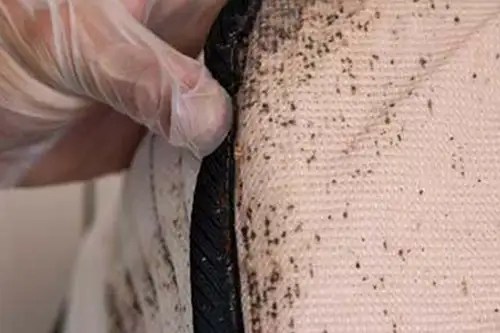
Bed bugs are small, persistent pests that can hide in places homeowners rarely inspect. They may remain around mattresses, bed frames, furniture, baseboards, cracks, and other protected areas while continuing to reproduce. Because these insects are difficult to spot during a quick visual check, professional identification can be an important first step when signs of an infestation appear.
Expert Bed Bug Inspection in Orange Park FL can help property owners determine whether bed bugs are present, identify potential hiding areas, and understand how extensively the insects may have spread. A detailed inspection is different from simply looking at a mattress. It involves examining likely harborages, recognizing physical evidence, and considering conditions that may indicate activity elsewhere in the property.
Understanding what happens during a professional inspection can help homeowners respond appropriately instead of relying on assumptions or potentially ineffective DIY treatments.
Why Is Bed Bug Inspection Important?
Bed bugs are skilled at hiding. Their flattened bodies allow them to fit into narrow cracks and crevices, while their behavior allows them to remain concealed during much of the day.
A person may notice bites or small stains on bedding without seeing an actual insect. However, bites alone do not confirm a bed bug infestation because skin reactions can have many causes.
A thorough inspection looks for physical evidence, including live insects, eggs, shed skins, fecal spots, and other signs of activity. The goal is to determine whether the suspected pest is actually a bed bug and where evidence can be found.
Early identification can also help prevent an infestation from becoming more widespread. When bed bugs are discovered, property owners can make informed decisions about treatment rather than guessing about the cause of the problem.
What Do Bed Bugs Look Like?
Adult bed bugs are generally small, flat, oval-shaped insects. Their appearance can change after feeding because their bodies become more elongated.
Younger bed bugs, known as nymphs, are considerably smaller and can be more difficult to see. Newly hatched nymphs are pale and become darker as they develop and feed.
Bed bug eggs are tiny and can be difficult to notice without careful inspection. They may be located in protected areas close to where people sleep.
Because several insects can resemble bed bugs, accurate identification matters. Misidentifying another pest as a bed bug could result in unnecessary treatments and expense.
What Are the Most Common Signs of Bed Bugs?
A professional inspection may look for several different types of evidence.
Live Bed Bugs
Finding a live bed bug is one of the strongest indicators of an active infestation. However, not seeing one does not necessarily mean that bed bugs are absent.
They may be hiding in mattress seams, furniture joints, cracks, or other concealed areas.
Dark Spots
Small dark or rusty-colored spots may appear on sheets, mattresses, furniture, or nearby surfaces. These can be associated with bed bug activity.
Shed Skins
As bed bugs develop through different life stages, they shed their outer skins. These discarded skins can sometimes remain in hiding places.
Eggs and Eggshells
Tiny eggs or eggshells may be found around cracks and protected areas. Their small size makes them easy to overlook during a casual inspection.
Unexplained Bites
Some people experience itchy skin reactions after bed bug exposure. However, bites should not be used as the only method of identifying an infestation.
The Environmental Protection Agency recommends looking for physical evidence and correctly identifying bed bugs before deciding on treatment.
Where Do Professional Inspectors Look for Bed Bugs?
A comprehensive inspection should extend beyond the mattress.
Common inspection areas can include:
· Mattress seams and edges
· Box springs
· Bed frames
· Headboards
· Nightstands
· Dressers
· Chairs and couches
· Baseboards
· Cracks and crevices
· Carpet edges
· Furniture joints
· Wall openings
· Areas around sleeping locations
· Cluttered storage areas
Bed bugs often stay close to sleeping or resting areas because they feed on blood. However, established infestations can spread farther throughout a property.
This is why simply replacing a mattress may not solve the problem.
Why Is Professional Inspection Better Than a Quick Visual Check?
A quick look around a bedroom may miss hidden insects.
Professional inspection involves knowing where bed bugs are likely to hide and what evidence to look for. Inspectors can examine seams, joints, cracks, and other areas that homeowners may overlook.
An experienced inspector can also distinguish between active evidence and unrelated stains, insects, or debris.
This distinction is important because different pests require different treatment approaches.
For example, finding a small insect near a bed does not automatically mean that the property has bed bugs. Correct identification should come before treatment.
Can Bed Bugs Hide Outside the Bedroom?
Yes. Although bedrooms are common areas for bed bug activity, these pests can eventually occupy other parts of a property.
They may be found in:
· Living room furniture
· Recliners
· Sofas
· Guest rooms
· Closets
· Office furniture
· Baseboards
· Storage areas
· Cracks around walls
· Other locations where people spend extended periods
The Florida Department of Agriculture and Consumer Services explains that adjoining rooms and areas above or below an infested space may need to be inspected because bed bugs can spread beyond the original location.
A professional inspection can therefore help determine whether the issue appears localized or requires broader attention.
How Does a Bed Bug Inspection Work?
The exact inspection process can vary depending on the property and suspected infestation. However, a detailed inspection commonly follows several stages.
1. Discussing the Problem
The inspector may first ask about what the property owner has noticed.
This can include questions about:
· When signs were first discovered
· Where insects or stains were found
· Whether bites have occurred
· Whether anyone recently traveled
· Whether used furniture entered the property
· Whether previous pest treatments were performed
This information can help determine where the inspection should begin.
2. Examining Sleeping Areas
Beds and surrounding furniture are typically important inspection points.
Mattress seams, bed frames, headboards, box springs, and nearby furniture can contain hiding locations.
3. Checking Furniture and Cracks
Inspectors may examine furniture joints, drawers, cracks, baseboards, and other concealed areas.
The inspection may expand outward depending on what evidence is discovered.
4. Identifying Evidence
Physical evidence is evaluated to determine whether it is consistent with bed bug activity.
Identification is important because treating the wrong pest will not resolve the underlying problem.
5. Determining the Scope
If bed bugs are confirmed, the inspector can assess which areas appear affected and whether additional rooms should be examined.
This information can help establish a more appropriate treatment strategy.
What Should Homeowners Do Before an Inspection?
Property owners should avoid moving potentially infested belongings unnecessarily.
Moving mattresses, furniture, bedding, or clothing from one room to another can potentially spread insects to previously unaffected areas.
Instead, homeowners can document what they have observed and leave suspected areas accessible for inspection.
It can also help to avoid applying random pesticides immediately before a professional inspection. Certain products may disturb insects or make evidence more difficult to interpret.
If a pest professional provides preparation instructions, those instructions should be followed carefully.
Should You Throw Away a Mattress?
Not necessarily.
Discovering signs of bed bugs does not automatically mean that a mattress must be discarded. Depending on its condition and the treatment strategy, some mattresses can remain in use after appropriate treatment or encasement.
Throwing away furniture can also create additional problems if it is carried through the property.
Before discarding a mattress or other furniture, property owners should have the situation assessed and discuss appropriate options with a qualified pest management professional.
Can Bed Bug Inspections Find Every Bug?
No inspection can guarantee that every individual bed bug will be found.
Bed bugs can occupy extremely small hiding places, and their eggs may be difficult to see. A professional inspection is intended to locate evidence, identify affected areas, and provide information that supports an appropriate control strategy.
Monitoring may therefore remain important after an infestation is identified and treated.
The EPA notes that bed bug control can require repeated efforts and ongoing monitoring, depending on the circumstances.
Why Is Early Detection Valuable?
Early detection can provide property owners with more options.
When an infestation is discovered before it becomes widespread, there may be fewer affected areas and fewer belongings requiring attention. Early action can also reduce the likelihood of unknowingly transporting bed bugs throughout the property.
However, homeowners should not assume that a small number of visible insects represents the entire infestation.
Bed bugs can reproduce and remain hidden, which is why a professional inspection can be useful even when only limited evidence has been discovered.
What Happens After a Bed Bug Inspection?
The next step depends on the inspection findings.
If no bed bugs are identified, the property owner may receive recommendations for continued monitoring or additional inspection if signs return.
If bed bugs are confirmed, the next step is generally developing an appropriate treatment plan.
Treatment options can vary based on the infestation, property type, affected areas, and other circumstances. Professional pest management may involve an integrated approach rather than relying on one method.
Possible control measures can include heat treatment, steam, vacuuming, encasements, monitoring devices, and appropriately labeled pest control products.
The Florida Department of Agriculture and Consumer Services notes that properly performed heat treatment can be effective against bed bugs and emphasizes the importance of professional pest control practices.
How Can Orange Park Homeowners Reduce Future Bed Bug Risks?
Inspection and treatment address an existing concern, but prevention can help reduce future risks.
When traveling, inspect luggage and sleeping areas before bringing belongings back home. Used furniture should also be carefully inspected before entering the property. If you notice possible signs of an infestation, an Expert Bed Bug Inspection in Orange Park FL can help identify potential activity before it becomes more difficult to manage.
Mattress and box spring encasements can make inspection easier and reduce available hiding locations. Bed bug interceptors may also help detect activity around beds.
Reducing clutter around sleeping areas can make future inspections easier.
Regularly checking mattress seams, bed frames, and nearby furniture can also help property owners recognize signs sooner.
The Florida Department of Agriculture and Consumer Services recommends inspection practices for travelers and emphasizes measures that can help prevent bed bugs from being introduced into homes.
How Should You Choose a Bed Bug Inspection Service?
When selecting a professional, property owners should consider experience, licensing, inspection procedures, communication, and follow-up practices.
Important questions may include:
· Does the company inspect before recommending treatment?
· Can the technician explain what evidence was found?
· Does the company inspect surrounding areas?
· Will the inspector explain preparation requirements?
· Does the provider offer follow-up monitoring?
· Are pest control professionals properly licensed?
· Does the company explain treatment options clearly?
Florida regulates pest control services, and property owners can verify licensing information through the Florida Department of Agriculture and Consumer Services.
Choosing a qualified professional can help prevent unnecessary treatments and improve the chances of addressing the actual source of the problem.
Frequently Asked Questions
How long does a bed bug inspection take?
The time required depends on the property's size, number of rooms, amount of clutter, and extent of suspected activity. A detailed inspection can take longer than a simple visual check because multiple hiding areas may need examination.
Can I identify bed bugs myself?
You may recognize common signs, but professional identification can be valuable because several insects can resemble bed bugs. Correct identification should occur before selecting a treatment method.
Are bed bug bites enough to confirm an infestation?
No. Skin reactions vary between individuals and can resemble reactions from other causes. Physical evidence is more useful for confirming a suspected infestation.
Should I clean everything before an inspection?
Do not move potentially infested belongings unnecessarily. Instead, follow the preparation instructions provided by the inspection or pest control professional.
Can bed bugs spread to other rooms?
Yes. An infestation can move beyond the original sleeping area. Adjacent rooms and other areas may require inspection when bed bugs are confirmed.
What should I do if I find one bed bug?
If possible, preserve the insect for identification and avoid moving potentially infested belongings. Contact a qualified pest professional for an inspection rather than immediately treating the entire property with random pesticides.
Conclusion
Bed bugs can be difficult to identify because they hide in small, protected spaces and may leave signs that are easy to overlook. An inspection provides an opportunity to determine whether bed bugs are actually present, locate evidence of activity, and understand which areas may require attention.
Expert Bed Bug Inspection in Orange Park FL can be particularly useful when property owners notice suspicious insects, stains, shed skins, eggs, or recurring signs around sleeping areas. A thorough inspection focuses on identification and the potential extent of the infestation rather than simply treating the most visible location.
Article Written By: Rank Business Listings

 English
 Arabic
 French
 Spanish
 Deutsch
 Turkish
 Dutch
Dutch
 Italiano
 Russian
 Romaian
 Portuguese (Brazil)
 Greek
Greek