


A Beginner’s Guide to Building a Streetwear Collection
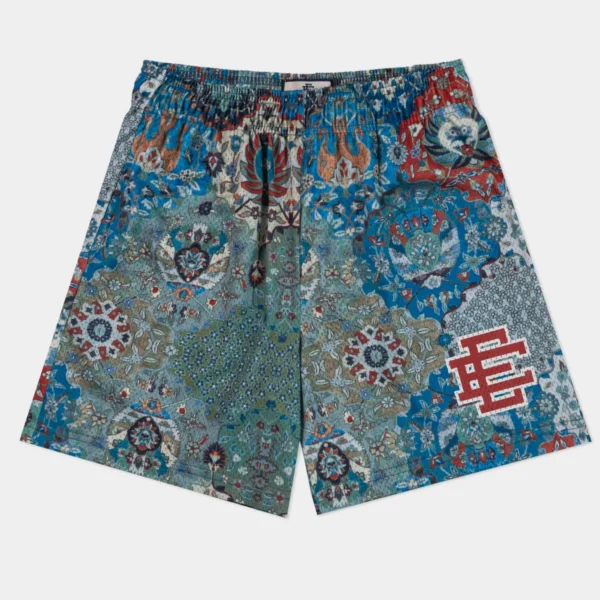
Building a streetwear collection can seem complicated when you are surrounded by countless styles, colors, graphics, and seasonal trends. The good news is that you do not need a huge wardrobe to develop a strong personal style. A thoughtful collection can start with a handful of versatile pieces and gradually grow as you understand what fits your lifestyle and preferences.
Streetwear is particularly suitable for experimentation because it combines influences from sports, music, art, skate culture, and everyday fashion. There are few strict rules, which gives beginners the freedom to explore different silhouettes and create outfits that feel personal.
Start With Your Personal Style
Before buying anything, spend some time thinking about the type of clothing you actually enjoy. Some people prefer minimal outfits built around neutral colors, while others like bold graphics, relaxed silhouettes, and statement pieces.
Look at outfits that catch your attention and identify common elements. You may notice that you prefer oversized tops, wide-leg trousers, athletic-inspired clothing, or simple monochrome combinations. Understanding these preferences can prevent unnecessary purchases and give your wardrobe a clearer direction.
Your lifestyle should also influence your choices. Someone who spends most of the week in casual environments may need very different pieces from someone who regularly attends formal events.
Build a Strong Foundation
A beginner should start with versatile basics rather than immediately buying the most eye-catching pieces available. Plain T-shirts, comfortable sweatshirts, hoodies, relaxed pants, and everyday sneakers can form the foundation of many different outfits.
Neutral colors are particularly useful at this stage. Black, white, grey, navy, beige, and similar shades can be combined easily, allowing a relatively small collection to create many outfits.
Once the foundation is established, you can gradually introduce stronger colors, graphics, patterns, and unusual silhouettes.
Find the Right Fit
Fit is one of the most important parts of streetwear. A piece can look completely different depending on whether it is slim, regular, relaxed, or oversized.
Beginners sometimes assume that streetwear automatically means wearing extremely oversized clothing. In reality, successful streetwear outfits can use many different proportions. The important thing is that the silhouette looks intentional.
If you choose wide or relaxed pants, for example, you might balance them with a cleaner top. Alternatively, an oversized hoodie can work well with a more controlled pair of trousers.
Experiment with different proportions until you discover what feels comfortable and visually balanced.
Add Versatile Shirts
Once you have basic T-shirts covered, it can be useful to introduce shirts with more distinctive designs. Graphic shirts, athletic-inspired styles, and statement pieces can give a simple outfit more character.
Eric Emanuel Shirts can be considered when building this part of a streetwear collection because statement shirts can work as focal pieces in otherwise simple outfits. Pairing a distinctive shirt with neutral trousers and clean sneakers can create an effective look without requiring numerous accessories.
The key is versatility. Before buying a shirt, consider how many different pants, shorts, or jackets you could wear with it.
Invest in Comfortable Pants
Pants provide the structure for many streetwear outfits, so having several useful options can make a major difference. Denim, cargo trousers, track-inspired styles, and relaxed pants can all bring something different to a collection.
When starting out, prioritize pairs that work with multiple tops. Neutral colors are usually the easiest to style, while distinctive designs can be added later.
For those who prefer a more expressive aesthetic, Eric Emmanuel Pants can serve as a statement option. A distinctive pair of pants can become the focal point of an outfit when combined with a relatively simple shirt and footwear.
Do Not Forget Shorts
A streetwear collection should also account for warmer weather. Shorts provide an easy alternative to trousers while maintaining the relaxed character associated with the style.
E Shorts can be incorporated into casual summer outfits with T-shirts, sneakers, lightweight shirts, or hoodies during cooler evenings. The styling possibilities depend on the cut, color, and overall design, but the same principle applies: choose pieces that complement clothing you already own.
Having a few seasonal options makes the collection more practical throughout the year.
Choose Sneakers Carefully
Footwear can completely change the character of an outfit. Sneakers are a natural starting point because they work with many streetwear combinations and offer both comfort and visual appeal.
A clean neutral sneaker is usually the most useful first purchase. It can work with jeans, cargo pants, relaxed trousers, shorts, and sweatpants.
After that, consider adding something with a stronger color or shape. Distinctive sneakers can become a focal point when paired with simpler clothing.
Always consider the proportions of your outfit. Wider pants may work particularly well with chunkier footwear, while streamlined shoes can create a cleaner appearance with straight or moderately relaxed trousers.
Introduce Layers Gradually
Layering allows a small collection to create a much larger range of outfits. A basic T-shirt can be worn alone, under an open shirt, beneath a hoodie, or underneath a lightweight jacket.
For beginners, one or two versatile outer layers are usually enough. A casual overshirt, bomber jacket, coach jacket, or simple zip-up can work across different seasons.
Avoid buying too many layers before understanding your wardrobe. The best outerwear pieces are those that can be combined with several existing outfits.
Use Color Strategically
Color can make streetwear more interesting, but beginners do not need to start with complicated combinations. A neutral foundation makes it easier to introduce stronger colors gradually.
One effective method is to keep most of the outfit understated and allow one item to provide contrast. For example, a colorful shirt can stand out against dark pants, while distinctive trousers can be paired with a neutral top.
You can also create monochromatic outfits by combining different shades of the same color. This approach often produces a clean and modern appearance without requiring bold patterns.
Experiment With Accessories
Once your main clothing collection is established, accessories can add another layer of personality. Caps, bags, watches, sunglasses, and simple jewelry are common choices within streetwear.
Accessories should complement the outfit rather than compete with it. If you are already wearing a graphic shirt and distinctive pants, minimal accessories may be enough.
On the other hand, a simple outfit can benefit from a statement cap or crossbody bag. Small details can make an otherwise basic combination feel more complete.
Avoid Buying Every Trend
Streetwear changes quickly, and social media can make every new release appear essential. Beginners can easily spend too much money on pieces that become difficult to style later.
Instead of buying something simply because it is currently popular, ask whether it fits your personal style and whether it works with your existing collection.
A useful wardrobe is not necessarily the largest one. It is the one where most pieces can be combined in several ways.
Think About Quality and Durability
Quality should become more important as your collection grows. Clothing that is comfortable, well constructed, and easy to maintain usually provides greater value over time.
Pay attention to fabric, stitching, construction, and how the garment feels when worn. A piece that looks impressive online may not become a favorite if it is uncomfortable or difficult to style.
Buying fewer useful items can often be better than purchasing many pieces that rarely leave the closet.
Create Outfits Before Buying More
One of the easiest ways to improve your collection is to experiment with what you already have. Try combining the same pants with several shirts or styling one hoodie with different footwear.
This process can reveal gaps in your wardrobe. Perhaps you need a neutral pair of pants, a lighter outer layer, or another type of footwear. Buying based on these actual gaps is more effective than shopping without a plan.
It also helps you discover combinations you may not have considered previously.
Let Your Collection Evolve
A streetwear collection does not need to be completed in one shopping trip. Personal style changes as you discover new influences and learn what works for you.
Start with reliable basics, experiment with proportions, introduce statement pieces gradually, and pay attention to which clothes you wear most often. Over time, your collection will naturally become more specific to your preferences.
The best wardrobes are rarely built around one trend. They develop through experience.
Building Streetwear With Confidence
For beginners, the most important lesson is that streetwear should be enjoyable rather than complicated. A strong collection can begin with simple T-shirts, comfortable pants, versatile sneakers, and a dependable hoodie. From there, distinctive pieces such as Eric Emanuel Shirts, Eric Emmanuel Pants, and E Shorts can introduce additional personality and variety.
There is no universal formula for creating the perfect streetwear wardrobe. Focus on comfort, fit, versatility, and pieces that genuinely match your personality. When you buy thoughtfully and experiment with different combinations, even a small collection can provide enough options for an impressive range of everyday outfits.

 English
 Arabic
 French
 Portuguese
 Deutsch
 Turkish
 Dutch
Dutch
 Italiano
 Russian
 Romaian
 Portuguese (Brazil)
 Greek
Greek