


Leadwork Leeds: A Complete Guide to Lead Roofing and Repairs
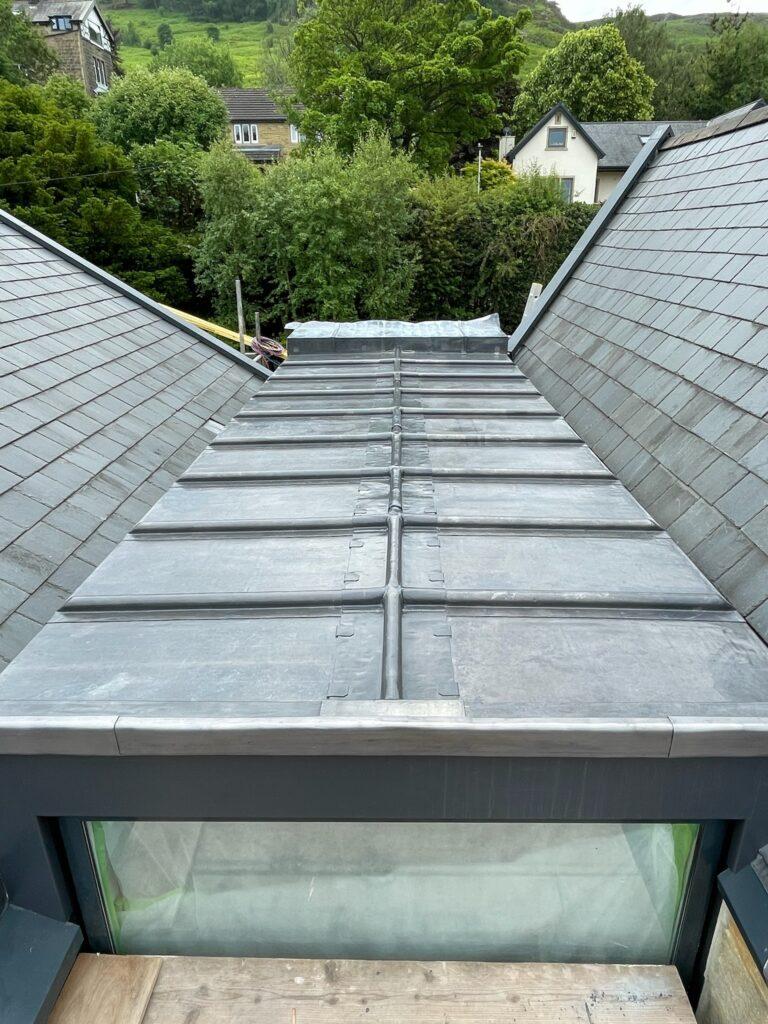
Leadwork is an important part of many roofing systems, particularly where different sections of a roof meet or where protection is needed against rainwater and moisture. From chimney flashing and roof valleys to joints, abutments and dormer areas, properly installed lead can provide a durable barrier against water penetration. However, leadwork can deteriorate over time due to weather exposure, movement, poor installation or general ageing.
For property owners, understanding when leadwork needs attention can help prevent minor defects from becoming costly roofing problems. Cracked joints, lifted sections, corrosion, loose flashing and water staining inside a property may all indicate that a repair or replacement is required. In Leeds, where roofs are regularly exposed to rain, wind, temperature changes and seasonal weather, maintaining vulnerable areas is particularly important.
Whether you own a residential property, manage a commercial building or are responsible for an older property, professional Leadwork Leeds services can help protect the roof structure and surrounding areas from moisture-related damage. The right approach depends on the condition of the existing lead, the location of the defect and the construction of the roof.
What Is Leadwork?
Leadwork involves using lead sheets or suitable lead-based roofing materials to create weatherproof details on a building. Lead has traditionally been used in roofing because it is flexible, durable and capable of forming around complex architectural features.
Unlike some roofing materials that are primarily used to cover large surface areas, lead is often used at critical junctions where water could otherwise enter the building.
Common Areas Where Lead Is Used
Lead can be found in several important parts of a roof, including:
-
Chimney flashings
-
Chimney aprons and back gutters
-
Roof valleys
-
Dormer roofs
-
Abutments
-
Wall junctions
-
Roof penetrations
-
Ridge and hip details
-
Parapet walls
-
Flat roof edges
-
Skylight and roof window junctions
These areas require careful installation because they are particularly vulnerable to water ingress. A small opening or failed joint can allow moisture beneath the roofing materials and into the roof structure.
Why Is Leadwork Important for a Roof?
The primary purpose of leadwork is to manage water effectively and prevent moisture from entering vulnerable areas of a roof. When correctly installed, lead flashing directs rainwater away from joints and transitions.
Poorly maintained leadwork, however, can create pathways for water to penetrate the roof.
Protection Against Water Ingress
Water penetration is one of the most common causes of roofing damage. Once moisture enters through a failed flashing or joint, it can affect roof timbers, insulation, plasterwork and internal ceilings.
Early attention can therefore help prevent a localised roofing defect from developing into a larger structural or interior repair.
Long-Term Durability
Lead is known for its longevity when it is correctly specified, installed and maintained. Its flexibility also allows it to accommodate certain movements within roofing structures.
Nevertheless, durability does not mean that leadwork is completely maintenance-free. Installation quality, surrounding materials, exposure and drainage all influence its performance.
Common Signs That Leadwork Needs Repair
Roofing defects are not always immediately visible from inside a property. However, several warning signs can indicate that leadwork should be inspected.
Cracks and Splits
Lead can develop cracks or splits, particularly around areas that experience movement or where the material has been incorrectly installed. Small defects may gradually become larger as rainwater enters the affected area.
Loose or Lifted Flashing
Strong winds and deterioration can cause flashing to become loose or lift away from its intended position. Once this happens, water can pass behind the flashing rather than being directed away from the building.
Water Staining
Brown or damp marks on ceilings and walls can indicate water ingress. Although there may be several possible causes, damaged flashing around chimneys, roof junctions or other penetrations should be considered during an inspection.
Deteriorated Joints
Joints between sections of lead need to be properly formed and maintained. If a joint has failed, cracked or separated, water may find a route into the roof system.
Visible Corrosion or Damage
Although lead is highly durable, environmental exposure and contact with incompatible materials can contribute to deterioration. Physical damage can also occur during other roofing or building work.
Leadwork Repairs vs Leadwork Replacement
Not every damaged section of lead needs to be completely replaced. The appropriate solution depends on the extent and location of the problem.
When Repair May Be Suitable
A repair may be appropriate where the defect is relatively small and the surrounding lead remains structurally sound. A professional roofer can assess the affected area and determine whether the existing material can be repaired effectively.
Repairs may involve addressing joints, securing loose sections or correcting localised defects.
When Replacement May Be Necessary
Replacement is generally more appropriate when lead has extensive cracking, severe deterioration, repeated failures or incorrect installation.
Replacing a defective section can provide a more reliable long-term solution than repeatedly repairing an area that has already reached the end of its useful service life.
Chimney Leadwork and Flashing
Chimneys are one of the most common areas where leadwork is required. Their position above the roof makes them particularly exposed to wind and rain.
Lead flashing around a chimney creates a weather-resistant transition between the chimney structure and the roof covering.
Common Chimney Leadwork Problems
Typical problems include:
-
Failed flashing
-
Cracked joints
-
Loose lead
-
Poorly formed detailing
-
Water penetration around the chimney
-
Deterioration of mortar joints
-
Damaged back gutters
Because chimney problems can sometimes resemble other roofing defects, a detailed inspection is important before deciding on the correct repair.
Lead Valleys and Roof Junctions
Roof valleys are designed to collect and direct rainwater towards the drainage system. They therefore experience significant exposure to water.
Where lead is used within a valley or around a junction, correct positioning and detailing are essential.
Why Valley Maintenance Matters
Blocked drainage, damaged roofing materials or defective leadwork can prevent water from flowing correctly. Standing water or uncontrolled runoff can increase the likelihood of leaks.
Regular inspection is particularly useful for older properties where roofing materials and flashing may have been exposed to decades of changing weather conditions.
The Importance of Professional Installation
Leadwork requires more than simply placing a sheet of metal over a joint. Measurements, detailing, fixing methods, joints, overlaps and drainage all need to be considered.
Poor workmanship can result in premature failure even when high-quality materials are used.
For property owners searching for Leadwork Leeds, choosing an experienced roofing professional is important because the quality of installation can directly affect the durability and weather resistance of the finished work.
Assessing the Existing Roof
Before work begins, the surrounding roof should be inspected rather than focusing only on the visible lead defect. Damaged tiles, deteriorated mortar, defective membranes or drainage problems may also contribute to water ingress.
A complete assessment can help identify the actual source of a leak.
Matching the Repair to the Building
Different buildings require different roofing details. Older properties, modern homes, extensions and commercial buildings may all use different construction methods.
A suitable repair should work with the existing roof rather than creating an isolated solution that introduces another potential weakness.
How Weather Affects Leadwork in Leeds
Weather conditions can have a significant impact on roofing materials. Rain can repeatedly expose vulnerable joints to moisture, while strong winds can place pressure on flashing and other roof components.
Temperature changes can also cause roofing materials to expand and contract. Over time, movement can affect joints and connections, particularly where installation has not allowed for normal building movement.
This makes regular roof inspections valuable for homeowners and property managers.
How to Prevent Leadwork Problems
Although some deterioration is unavoidable over time, sensible roof maintenance can reduce the risk of serious problems.
Arrange Periodic Roof Inspections
A professional inspection can identify damaged flashing, deteriorated joints and other vulnerable areas before they cause extensive internal damage.
Keep Roof Drainage Clear
Blocked gutters and drainage channels can cause water to accumulate or flow incorrectly. Keeping drainage systems clear supports the overall performance of the roof.
Address Small Defects Early
A small flashing defect may be relatively straightforward to address. If ignored, however, water can reach roof timbers, insulation or internal finishes.
Avoid Unqualified Roof Repairs
Improvised repairs may temporarily hide a leak without addressing the underlying problem. In some cases, inappropriate materials can make deterioration worse.
Professional assessment is therefore preferable when the source of a roof leak is unclear.
Choosing a Leadwork Roofing Service
When selecting a roofing contractor, property owners should look beyond price alone. Experience, workmanship, communication and the ability to identify the actual source of a problem are all important considerations.
What to Look For
Useful questions to consider include:
-
Does the contractor have relevant roofing experience?
-
Can they inspect the surrounding roof as well as the leadwork?
-
Do they clearly explain the recommended solution?
-
Are repair and replacement options discussed where appropriate?
-
Is the quotation clear about the proposed work?
-
Can they provide evidence of previous roofing work?
-
Do they use appropriate materials and professional installation methods?
A reputable roofing service should be able to explain what has failed, why it has failed and what solution is appropriate.
Why Early Leadwork Repairs Can Save Money
Roofing maintenance is generally easier and less disruptive when problems are addressed early. A small defect may initially affect only a flashing or joint, but continued water penetration can gradually damage surrounding materials.
Moisture can affect timber, insulation, plaster and decorative finishes. In severe cases, prolonged water ingress can contribute to more extensive roof repairs.
For this reason, professional Leadwork Leeds services can form an important part of preventative property maintenance rather than being considered only after a major leak occurs.
What to Expect During a Leadwork Inspection
A professional inspection should focus on both the visible lead and the surrounding roof construction.
The roofer may examine flashing, joints, roof coverings, chimney areas, valleys, drainage points and signs of previous water penetration.
Identifying the Source of a Leak
The location of an internal stain does not necessarily identify the exact entry point. Water can travel beneath roofing materials before becoming visible inside a property.
This is why investigating the surrounding roof is important when diagnosing a leak.
Recommending the Appropriate Solution
After assessing the condition, the contractor can determine whether repair, partial replacement or more extensive work is appropriate.
The goal should be to resolve the underlying problem rather than simply conceal visible symptoms.
Residential and Commercial Leadwork
Leadwork requirements vary depending on the property type. Residential buildings may require attention around chimneys, dormers, extensions and roof windows, while commercial properties can have more complex roof structures and junctions.
Property managers should pay particular attention to areas where different roofing systems meet, as these transitions can become vulnerable to water ingress.
For both residential and commercial properties, planned maintenance can help identify problems before they become disruptive.
Final Thoughts on Roof Leadwork
Good leadwork is an important component of a weather-resistant roofing system. Whether the issue involves chimney flashing, a roof valley, a wall junction or another vulnerable area, identifying defects early can reduce the risk of water damage and unnecessary repair costs.
Property owners should not ignore signs such as damp patches, loose flashing, cracked joints or unexplained roof leaks. A professional inspection can establish whether a local repair is sufficient or whether replacement is the more dependable option.
For homeowners and property managers looking for dependable roofing workmanship and professional advice, Promax Roofing can provide an appropriate approach to maintaining vulnerable roof areas and addressing leadwork issues with the wider roofing system in mind.

 English
 Arabic
 French
 Portuguese
 Deutsch
 Turkish
 Dutch
Dutch
 Italiano
 Russian
 Romaian
 Portuguese (Brazil)
 Greek
Greek