


Root Removal in Edinburgh: A Complete Guide to Removing Drain and Tree Roots Safely
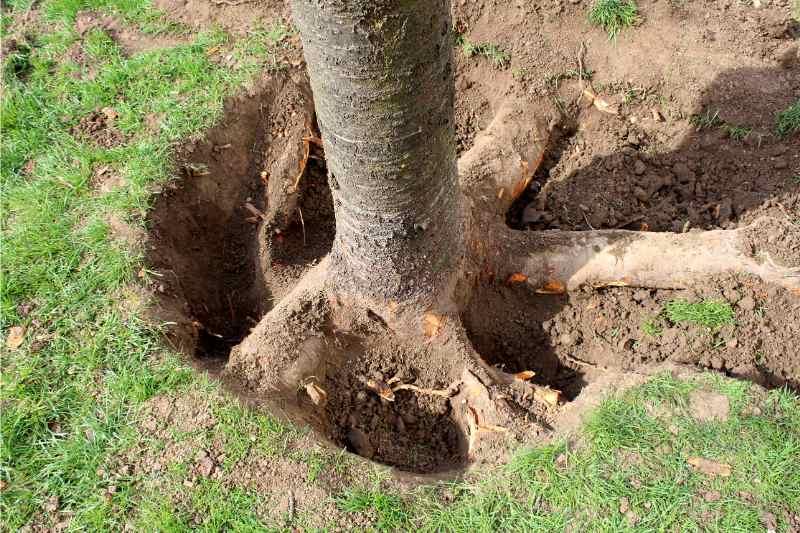
Roots are a natural part of trees and plants, but when they grow into underground drainage systems, they can become a serious problem for homeowners and businesses. Small cracks, loose joints, or damaged sections of pipe can provide roots with access to drains, where moisture and nutrients encourage further growth. Over time, the roots can spread throughout the pipe, restricting water flow and increasing the risk of blockages, unpleasant smells, overflowing drains, and structural damage.
Root Removal in Edinburgh can therefore be an important part of maintaining a healthy and reliable drainage system. Although a slow-draining sink or toilet may initially appear to be a simple blockage, recurring problems can sometimes indicate that roots have entered an underground pipe. Identifying the underlying cause early can help prevent more expensive drainage repairs later.
Edinburgh has a mixture of traditional properties, modern developments, mature gardens, and established trees. This means underground drainage systems can vary considerably in age, construction, and condition. Understanding why roots enter drains, how professionals identify them, and which removal methods are suitable can help property owners make informed decisions when drainage problems occur.
What Causes Roots to Enter Underground Drains?
Tree and plant roots naturally search for water and nutrients. Underground drainage pipes can provide both, particularly when a pipe has developed a small defect.
Cracks and damaged pipes
A cracked drainage pipe may release moisture into the surrounding soil. Roots can detect this moisture and gradually grow towards the damaged area. Once they reach the opening, they may enter the pipe and begin spreading internally.
Even a relatively small crack can become problematic if roots continue growing around it. As the root mass becomes larger, it can catch toilet paper, grease, leaves, and other debris travelling through the drainage system.
Loose or defective pipe joints
Older drainage systems may contain joints that have shifted or deteriorated over many years. Small gaps between pipe sections can provide another route for roots to enter.
In some cases, the original drainage installation may have been affected by ground movement, ageing materials, or previous repairs. These conditions can create openings that were not present when the system was first installed.
Mature trees near drainage lines
Trees do not necessarily need to be directly above a drain for their roots to reach it. Depending on the species, soil conditions, available moisture, and location of the drainage system, roots can travel considerable distances underground.
For this reason, a property with mature trees nearby may have an increased risk of root-related drainage problems, particularly where underground pipes are old or damaged.
Common Signs of Root Intrusion
Root-related drainage issues can develop gradually. Recognising the warning signs can make it easier to investigate the problem before a complete blockage occurs.
Slow-draining fixtures
If toilets, sinks, baths, or showers repeatedly drain slowly despite normal cleaning and plunging, there may be an obstruction deeper within the drainage system.
A temporary improvement does not necessarily mean the underlying problem has disappeared. If the same fixture repeatedly becomes slow, professional investigation may be appropriate.
Recurring blockages
Frequent blockages are one of the clearest signs that something more than an ordinary household obstruction may be involved.
If a drain becomes blocked, is cleared, and then develops the same problem again shortly afterwards, the cause may be a damaged pipe, root intrusion, accumulated debris, or another underground issue.
Unpleasant drainage smells
Persistent foul smells around drains can sometimes indicate that wastewater is not flowing correctly. Root growth can restrict the internal diameter of a pipe and contribute to poor drainage.
However, smells can have several causes, so they should not automatically be attributed to roots. A proper inspection can help establish what is actually happening underground.
Overflowing drains
An overflowing drain should be treated seriously, especially if it occurs repeatedly. A substantial root mass can restrict the passage of wastewater and eventually contribute to an overflow.
Where wastewater is backing up around a property, prompt attention can reduce the likelihood of further disruption and potential damage.
How Professionals Identify Root Problems
Before removing roots, it is useful to determine exactly where they are located and whether the drainage pipe has suffered any structural damage.
CCTV drain surveys
A CCTV drain survey allows a camera to travel through the drainage system and provide a visual inspection of the pipe interior.
This can reveal:
-
Root growth
-
Cracks and fractures
-
Displaced joints
-
Blockages
-
Collapsed sections
-
Debris accumulation
-
Corrosion or deterioration
-
Other abnormalities inside the pipe
The advantage of a camera inspection is that it can provide information about the condition and location of the problem without immediately requiring extensive excavation.
Locating the affected section
Once an obstruction or damaged section has been identified, drainage professionals may be able to determine its approximate location underground.
Knowing where the problem is located can make future repair work more targeted. It may also help determine whether root removal alone is sufficient or whether the damaged section of pipe needs attention.
Effective Methods for Removing Roots From Drains
The most appropriate Root Removal in Edinburgh technique depends on the size of the root growth, the condition of the pipe, accessibility, and the severity of the blockage.
High-pressure water jetting
High-pressure water jetting uses pressurised water to break up and flush away obstructions inside drainage pipes.
It can be effective against root growth, sludge, grease, and other materials that restrict water flow. The method can also clean the internal walls of a pipe when used appropriately.
However, the pressure and equipment must be suitable for the condition of the pipe. A badly damaged or fragile drainage system may require a different approach.
Mechanical root cutting
Specialist mechanical cutting equipment can be used to remove established roots from inside drainage pipes.
The cutting equipment breaks the root mass into smaller sections, allowing the material to be removed or flushed through the drainage system.
This method can be useful where roots have formed a substantial obstruction. However, removing the visible roots does not necessarily correct the reason they entered the pipe in the first place.
Combined cleaning and inspection
In many situations, root removal is followed by additional cleaning and inspection. This helps determine whether the drainage system is flowing correctly and whether any structural defects remain.
A CCTV inspection after cleaning can be particularly useful because removing the obstruction may provide a clearer view of the pipe.
Why Removing Roots May Not Be a Permanent Solution
One important point for property owners is that root removal and pipe repair are not always the same thing.
Roots usually indicate an underlying weakness
Roots generally need an opening or defective section to gain access to a drainage pipe. Removing the roots can restore water flow, but if a crack or open joint remains, new root growth may eventually occur.
For this reason, recurring root problems should be investigated rather than repeatedly treated as ordinary blockages.
Damaged pipes may require repair
If a CCTV survey identifies significant damage, a drainage repair may be necessary.
Depending on the circumstances, possible solutions can include localised pipe repairs, relining, replacement of a damaged section, or other appropriate drainage techniques.
The correct option depends on the severity and location of the damage, the pipe material, accessibility, and the overall condition of the drainage system.
How Root Problems Can Be Prevented
Complete prevention is not always possible, especially where mature trees and older drainage infrastructure are involved. Nevertheless, several measures can reduce the likelihood of serious problems.
Arrange inspections for recurring issues
If a property experiences repeated blockages, a professional drainage inspection may identify a problem before it develops into a major failure.
Early investigation can be particularly valuable where the property has mature trees or an older underground drainage system.
Pay attention to drainage changes
Small changes in drainage performance should not always be ignored. Water taking longer to disappear, unusual gurgling noises, or recurring smells can provide early indications that something is wrong.
Addressing these signs promptly may reduce the chance of a complete blockage.
Consider the condition of older drainage systems
Older pipes may be more vulnerable to cracking, joint movement, and deterioration. Where repeated drainage problems occur, assessing the overall condition of the system can be more useful than repeatedly clearing individual blockages.
When Should You Seek Professional Help?
Some minor household blockages can be managed with simple methods, but persistent or recurring drainage problems deserve closer attention.
Recurring blockage after cleaning
If a blockage returns after being cleared, there may be an obstruction deeper inside the system. Root intrusion is one possible cause, although other problems can produce similar symptoms.
Multiple drains affected
When several fixtures become slow or blocked at the same time, the issue may be located in a shared underground drainage line rather than within an individual fixture.
Visible signs of structural damage
Ground movement, subsidence, damaged inspection chambers, unusual wet patches, or persistent drainage problems can justify a professional assessment.
Emergency drainage situations
Overflowing wastewater can create hygiene concerns and property damage. Where drainage is backing up or overflowing, professional assistance should be sought promptly rather than repeatedly attempting temporary solutions.
What to Expect During a Professional Root Removal Service
A professional drainage service generally begins by assessing the symptoms and determining where the problem may be located.
Initial assessment
The drainage professional may ask about previous blockages, slow drainage, smells, overflowing points, and any previous repairs. This information can help establish the history of the problem.
Drain inspection
Where appropriate, CCTV equipment can be used to inspect the internal condition of the drainage system and identify root growth or other obstructions.
Root removal
The selected removal method depends on the condition of the pipe and the extent of the root intrusion. Water jetting, mechanical cutting, or a combination of techniques may be considered.
Final checks
After the roots have been removed, the drainage system can be checked to confirm that water is flowing properly. Where necessary, further inspection can identify whether the pipe itself requires repair.
Why Local Drainage Knowledge Matters in Edinburgh
Edinburgh contains properties ranging from historic buildings and traditional housing to modern residential developments. Drainage systems can therefore differ considerably from one property to another.
Local environmental conditions, mature vegetation, soil movement, property age, and the design of underground drainage can all influence the type of problem encountered.
Choosing a drainage professional familiar with the area can make it easier to assess the situation in context. More importantly, the focus should remain on identifying the actual cause of the drainage issue rather than simply treating the most visible symptom.
Frequently Asked Questions About Drain Root Problems
Can tree roots really grow inside a drain?
Yes. Roots can enter drainage pipes through cracks, damaged joints, gaps, or other defects. Once inside, they can continue growing and create an obstruction.
Are roots the only cause of recurring drain blockages?
No. Recurring blockages can also result from grease, scale, foreign objects, collapsed pipes, displaced joints, or excessive debris. CCTV inspection can help distinguish between different causes.
Does removing roots fix the damaged pipe?
Not necessarily. Root removal can clear the obstruction, but a damaged pipe may still need to be repaired or replaced to reduce the chance of future root intrusion.
How can I tell whether a drain needs professional inspection?
Repeated blockages, multiple slow-draining fixtures, persistent smells, overflowing drains, or problems that return soon after cleaning are good reasons to consider professional investigation.
Is CCTV drain inspection worth having?
For recurring or unexplained drainage problems, CCTV inspection can be valuable because it provides a direct view of the inside of the pipe. This can help identify the location and nature of the problem before repair decisions are made.
Conclusion
Root Removal in Edinburgh is not simply about clearing roots from a blocked pipe. A successful approach involves understanding why the roots entered the drainage system, determining how extensive the growth is, checking the condition of the pipe, and selecting a suitable removal or repair method. CCTV surveys, specialist cutting equipment, and high-pressure water jetting can all play useful roles depending on the circumstances.
Property owners should pay attention to recurring blockages, slow drainage, unpleasant smells, and overflowing drains. These symptoms can sometimes indicate a deeper underground problem that requires more than a quick blockage clearance. Early investigation can help identify damaged pipes and potentially prevent a relatively manageable drainage issue from becoming a more disruptive and expensive repair.
For reliable assistance with drainage problems, inspections, blockages and Root Removal, Edinburgh Drain Repair can provide professional support focused on identifying the underlying cause and restoring the drainage system to proper working condition.

 English
 Arabic
 French
 Portuguese
 Deutsch
 Turkish
 Dutch
Dutch
 Italiano
 Russian
 Romaian
 Portuguese (Brazil)
 Greek
Greek